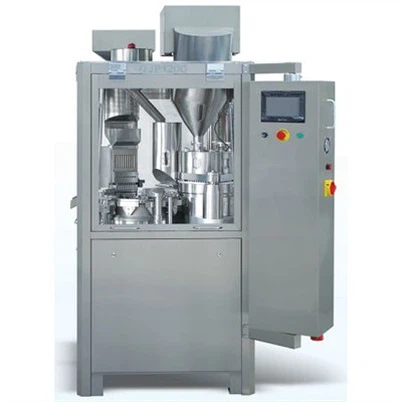
How to ensure the safety of operators when using a Manual Blister Packing Machine?
Leave a message

Ensuring the safety of operators when using a Manual Blister Packing Machine is of paramount importance. As a supplier of Manual Blister Packing Machines, I understand the significance of providing a safe working environment for those who operate our equipment. In this blog, I will share some key strategies and best practices to guarantee operator safety.
Pre - operation Safety Checks
Before starting the Manual Blister Packing Machine, a series of pre - operation safety checks should be carried out. First, visually inspect the machine for any signs of damage, such as loose parts, cracked frames, or frayed cables. A damaged machine can pose a significant risk to the operator, so it is crucial to address any issues immediately. For example, a loose belt can suddenly come off during operation, potentially causing entanglement.
Check the electrical connections to ensure they are secure and there are no signs of short - circuits or exposed wires. Electrical malfunctions can lead to electric shocks, which are extremely dangerous. It is also important to verify that the grounding system is working properly, as this provides an extra layer of protection against electrical hazards.
Inspect the heating elements, if applicable. Overheated elements can cause burns, and a malfunctioning heating system can also lead to product quality issues. Make sure the temperature control settings are accurate and that the heating elements are not showing any signs of overheating, such as discoloration or abnormal noises.
Proper Training
One of the most effective ways to ensure operator safety is to provide comprehensive training. Operators should be well - versed in the machine's operation, including how to start and stop it, how to adjust settings, and how to troubleshoot common problems. Our company offers in - depth training programs that cover both theoretical knowledge and practical skills.
During the training, operators learn about the safety features of the Manual Blister Packing Machine. For example, many of our machines are equipped with emergency stop buttons. Operators are taught to locate and use these buttons in case of an emergency. They also learn about the safety interlocks, which prevent the machine from operating when certain safety conditions are not met.
In addition to technical training, operators should also receive training on proper body mechanics. Operating a Manual Blister Packing Machine often involves repetitive motions, which can lead to musculoskeletal disorders if not done correctly. Training on how to lift materials safely, how to maintain a proper posture, and how to take regular breaks can significantly reduce the risk of injuries.
Personal Protective Equipment (PPE)
Providing appropriate personal protective equipment is essential for operator safety. Operators should wear safety glasses to protect their eyes from flying debris, such as plastic shavings or small particles that may be generated during the blister packing process. Gloves are also necessary, especially when handling hot components or sharp edges. Heat - resistant gloves can prevent burns when working near the heating elements, while cut - resistant gloves can protect against cuts from sharp tools or edges on the machine.
A dust mask may be required if the blister packing process generates dust, such as when packing powder products. The Powder Blister Packaging Machine and Powder Blister Packing Machine may produce fine powder particles, and a dust mask can prevent inhalation of these particles, which can be harmful to the respiratory system.
Machine Maintenance
Regular machine maintenance is crucial for ensuring operator safety. A well - maintained machine is less likely to malfunction and cause accidents. Our company provides detailed maintenance schedules and procedures for our Manual Blister Packing Machines.
Lubrication is an important part of machine maintenance. Moving parts, such as gears, bearings, and conveyor belts, need to be lubricated regularly to reduce friction and wear. This not only extends the lifespan of the machine but also reduces the risk of sudden breakdowns that could endanger the operator.
Cleaning the machine regularly is also essential. Dust, debris, and product residues can accumulate on the machine, which can affect its performance and safety. For example, a build - up of dust on the electrical components can increase the risk of short - circuits. Cleaning the heating elements can also prevent overheating and ensure consistent product quality.
Safety Guards and Enclosures
Installing safety guards and enclosures is a fundamental safety measure. Safety guards prevent operators from coming into contact with moving parts, such as belts, gears, and cutters. They act as a physical barrier between the operator and the potentially dangerous parts of the machine.
Enclosures can also be used to contain any potential hazards, such as heat, dust, or noise. For example, a well - designed enclosure can reduce the noise level generated by the machine, which can protect the operator's hearing. The Tropical Blister Packing Machine may be used in various environments, and appropriate enclosures can help create a safer working environment.
Risk Assessment
Conducting regular risk assessments is an important step in ensuring operator safety. A risk assessment involves identifying potential hazards associated with the use of the Manual Blister Packing Machine, evaluating the likelihood and severity of these hazards, and implementing measures to control or eliminate them.
For example, if a particular operation on the machine involves a high risk of injury, such as manual feeding of sharp - edged products, additional safety measures can be implemented. This could include using automated feeding systems or providing extra training and PPE for operators performing this task.
Emergency Preparedness
Operators should be prepared for emergencies. Our company provides emergency response plans that outline the steps to take in case of an accident, such as a fire, electrical shock, or injury. These plans include information on how to evacuate the area, how to administer first aid, and how to contact emergency services.
Regular emergency drills should be conducted to ensure that operators are familiar with the emergency response procedures. This helps to reduce panic and ensures a quick and effective response in case of an actual emergency.
Conclusion
Ensuring the safety of operators when using a Manual Blister Packing Machine requires a comprehensive approach that includes pre - operation checks, proper training, the use of PPE, regular maintenance, safety guards, risk assessment, and emergency preparedness. As a supplier, we are committed to providing high - quality machines and the necessary support to ensure the safety of our customers' operators.
If you are interested in purchasing a Manual Blister Packing Machine or have any questions about operator safety, please feel free to contact us. We are more than happy to discuss your specific needs and provide you with the best solutions.


References
- Occupational Safety and Health Administration (OSHA) guidelines on industrial machinery safety.
- International standards for blister packing machine safety, such as ISO standards.