


Automatic Blister Packaging Machine
An automatic blister packaging machine is used to create blister packets for various items, such as tablets, capsules, and other products. It may produce up to 70 strokes per minute for blister packs that are oblong and spherical.
Description
Ruian Shengtai Pharmaceutical Machinery Co., Ltd. is a professional manufacturer and supplier of packaging machinery for medicine, food, and cosmetics. It is also a member of the China Pharmaceutical Equipment Association. Our main products include blister packaging machines, tape packaging machines, capsule filling machines, tube filling machines, carton machines and more. These machines are sold to more than 20 provinces in China and exported to the United States, Russia, Canada, Malaysia, the Philippines, Egypt and other countries and regions.

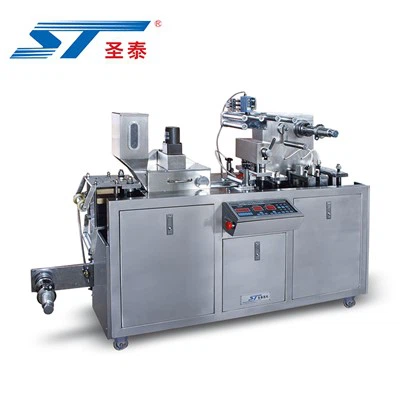


An automatic blister packaging machine is used to create blister packets for various items, such as tablets, capsules, and other products. It may produce up to 70 strokes per minute for blister packs that are oblong and spherical. The blister packing machine works by filling the PVC blister with materials, then pressing it into the mold to check the filled material and formed blister.
Advantages of Automatic Blister Packaging Machine
Wide Compatibility
Automatic blister packaging machine can produce packaging of different materials and is compatible with thermoplastic sheets such as PET, PS, PVC, etc., as well as cold-formed aluminum film, Laminated aluminum, etc.
Modular Structure
These automatic blister packaging machines adopt a modular design in which each component can work independently, including color touch screens, PLC control systems, and a full set of detection systems to ensure the quality of packaging.
High Automation
Automatic blister packaging machines are specially designed to fill capsules safely and efficiently, and can automatically complete the pharmaceutical process, including capsule separation, filling, locking, defective capsule rejection and sorting output.
Widely Used
These automatic blister packaging machines are used for packaging all types of capsules, tablets, soft capsules, injections, syringes and other laboratory or hospital preparation products and are widely used in pharmaceutical and medical, health care industries.
Types of Automatic Blister Packaging Machine
Rotary Blister Packaging Machine: Rotary blister packaging machines are high-speed machines that can produce a large number of blister packs per minute. They are suitable for mass production and are often used in industries such as pharmaceuticals, food, and consumer goods.
Flat-plate Blister Packaging Machine: Flat-plate blister packaging machines are versatile machines that can handle a wide range of products and blister pack sizes. They are suitable for small to medium-scale production and offer flexibility in terms of customization and changeover.
Thermoforming Blister Packaging Machine: Thermoforming blister packaging machines use heat to form the blister cavities on a roll of plastic film before filling them with products. They are ideal for packaging products with irregular shapes or sizes and offer good visibility of the packaged product.
Cold Forming Blister Packaging Machine: Cold forming blister packaging machines use pressure to form the blister cavities on aluminum foil before filling them with products. They are commonly used for pharmaceutical products that require protection from moisture, light, or oxygen.
Skin Packaging Machine: Skin packaging machines use a different technique where the product is placed on a card or film, and then a heated film is draped over the product, creating a skin-tight seal around it. This type of packaging is often used for displaying products in retail settings.
Blister Sealing Machine: Blister sealing machines are used to seal filled blisters with a backing card or film to create the final package. They come in various configurations, including manual, semi-automatic, and fully automatic models.
The working principle of an automatic blister packaging machine can be broken down into several key steps:
Feeding: The first step in the process involves feeding the packaging material, typically a roll of plastic film or aluminum foil, into the machine. The material is then guided through the machine using rollers to ensure smooth and consistent movement.
Forming: The packaging material is then heated and molded into the desired shape to create individual blister cavities that will hold the products. This forming process is usually done using heated molds or dies that shape the material into the required blister pack design.
Product Filling: Once the blister cavities are formed, the products are loaded into each cavity either manually or automatically using a product feeding system. The products are placed precisely in each cavity to ensure accurate filling.
Sealing: After the products are loaded into the blister cavities, a backing material (usually another layer of plastic film) is sealed over the top to enclose the products securely within each cavity. This sealing process can be done using heat sealing, pressure sealing, or ultrasonic welding depending on the type of machine.
Cutting and Packaging: Once sealed, the blister packs are cut into individual units using cutting tools integrated into the machine. The finished blister packs are then collected and packaged for distribution.
Materials Used In Blister Packaging
Packaging Film
A plastic film can be used for blister packaging because of its sufficient barrier performance to carbon dioxide, oxygen, water vapor, high mechanical strength, and high transparency for not easy to crack.
Besides, rigid plastic films like cellulose, vinyl resin, polystyrene, polyvinylidene chloride, polyvinyl chloride, and polystyrene, etc, can be used for blister packaging. Currently, the most widely used pharmaceutical blister packaging material is PVC plastic sheet because of its good barrier performance against the light, water vapor, and the unusual smell of plastic sheet. But, since PVC is not ideal for moisture resistance, it's advisable to use polyvinylidene chloride (PVDC) or its composite materials for future use.
Substrate
White cardboard is usually used for blister packaging. It's made of bleached kraft wood pulp, or can be made with the recycled board covering the base layer with white paper.
The size, shape, and quality of the cardboard are considered when using the white cardboard. The thickness range of the whiteboard substrate is 0.35-0.75mm, while it is 0.45-0.60mm for the normally used board. Also, make sure that the substrate surface is white and glossy, with good quality printability, and the heat sealing coating could be firmly coated. Make sure that the substrate and blister are combined closely after the heat seating coating is melted, to prevent the contents from falling out.
Coating Material
The coating material should be compatible with the substrate and the blister. Besides, the temperature should be relatively low so that it can be sealed quickly without damaging the blister film. As the soluble vinyl-resin and water-resistant acrylic resin have good transparency, good luster, and heat sealing capacity, they can generally be used.
Enhancing Packaging Process with an Automatic Blister Packaging Machine
The packaging process is crucial for manufacturing industries to ensure that their products are protected from damages, contamination, and tampering. Among different packaging methods, blister packaging has become a popular choice due to its effectiveness in providing product protection, convenience, and visual appeal. In blister packaging, a product is placed in a pre-formed plastic pocket or blister that is then sealed to a printed card or backing. To enhance the blister packaging process, an automatic blister packaging machine can be used.
Efficiency and Productivity
An automatic blister packaging machine is designed to automate the blister packaging process. It can perform multiple functions such as blister forming, product insertion, and sealing in a single pass. This automated process saves time, reduces labor cost, and increases productivity. With an automatic blister packaging machine, a manufacturer can produce a large number of blister packs in a short period with consistent quality and accuracy.
Customization and Versatility
An automatic blister packaging machine is designed to handle different blister pack sizes, shapes, and formats. It can accommodate various materials such as PVC, PET, and PP for blister forming and different card or backing stock for sealing. Additionally, an automatic blister packaging machine can also be customized to incorporate printing, labeling, and coding features that add value to the products and enhance their presentation.
Accuracy and Quality
An automatic blister packaging machine is equipped with advanced technology that ensures accuracy and quality in the blister packaging process. The machine uses precise measurements and controls to ensure that the blister pocket and card are aligned, the product is inserted correctly, and the sealing is tight and secure. This accuracy and quality control help to prevent product damages, contamination, and tampering during transportation, storage, and display.
Cost-effectiveness and ROI
Investing in an automatic blister packaging machine can be a cost-effective solution for manufacturing industries. The initial investment cost may be high, but the long-term ROI is significant due to the high productivity, reduced labor cost, and increased efficiency. Additionally, an automatic blister packaging machine can help to reduce product loss due to damages, contamination, and tampering, which can have a significant impact on the manufacturer's bottom line.
Increased Production Efficiency: Automatic blister packaging machines are designed to handle high production volumes, allowing for quicker packaging turnaround times and increased productivity.
Cost Savings: By automating the blister packaging process, businesses can reduce labor costs associated with manual packaging methods. Additionally, automatic machines can minimize material waste, leading to potential cost savings in the long run.
Consistent Packaging Quality: Automatic blister packaging machines ensure a consistent and uniform packaging quality, reducing the risk of errors or defects in the packaging process.
Improved Product Protection: Blister packaging provides increased protection for products, preventing damage, contamination, and tampering during transportation and storage.


Enhanced Packaging Design: Automatic blister packaging machines offer the flexibility to different packaging designs and configurations, allowing businesses to customize their packaging to suit their branding and product requirements.
Compliance with Industry Standards: Automatic blister packaging machines are designed to meet or exceed industry standards and regulations, ensuring that products are packaged in a safe and compliant manner.
Reduced Operator Fatigue: By automating the packaging process, businesses can reduce the physical strain on employees, leading to improved worker safety and reduced risk of injuries.
Increased Overall Efficiency: Automatic blister packaging machines streamline the packaging process, allowing businesses to focus on other important tasks and operations, ultimately leading to improved overall efficiency and productivity.
Function of Automatic Blister Packaging Machine
Automatic blister packaging machines are essential equipment in the pharmaceutical, food, and consumer goods industries. These machines play a crucial role in the packaging process by efficiently and accurately sealing products in blister packs. The primary function of an automatic blister packaging machine includes:
Product Feeding: Automatic blister packaging machines are equipped with mechanisms to feed products into the blister cavities. This process ensures that the products are correctly positioned for sealing.
Blister Forming: The machine forms blister cavities using heat and pressure on the plastic film or sheet. This step creates individual compartments for each product, ensuring proper containment and protection.
Product Sealing: Once the products are placed in the blister cavities, the machine seals them with a backing material (such as foil or paper). The sealing process is precise and secure to prevent contamination or tampering.
Cutting and Trimming: Automatic blister packaging machines have cutting mechanisms to trim excess material from the sealed packs. This step ensures a clean and professional finish for each package.
Batch Coding: Some advanced automatic blister packaging machines also include batch coding systems to print essential information like expiry dates, batch numbers, and product details on each pack.
Inspection and Rejection: These machines often have inspection systems to detect any defects or inconsistencies in the packaging process. Faulty packs are automatically rejected to maintain quality control.
Output Handling: Once the products are sealed and inspected, the machine efficiently handles the output by stacking or conveying the finished blister packs for further processing or distribution.
How to Maintain Automatic Blister Packaging Machine
Regular Cleaning
One of the most fundamental yet crucial maintenance tasks is regular cleaning. Dust, debris, and product residue can accumulate on various parts of the machine, such as the forming and sealing areas, potentially leading to operational inefficiencies or even downtime. It's important to follow a cleaning schedule that aligns with the machine's usage intensity and the nature of the products being packaged.
Lubrication
Proper lubrication is essential for the smooth operation of moving parts within blister packaging machines. Regularly check and apply high-quality lubricants to components such as bearings, chains, and guide rails. This not only reduces friction but also prevents wear and tear, extending the lifespan of these components.
Inspect Wear Parts
Certain parts of blister packaging machines are more prone to wear due to their critical functions in sealing, cutting, or forming blisters. Regular inspection of these wear parts-such as heating elements, cutting blades, and forming dies-is necessary to identify any signs of deterioration early on. Replacing these parts before they fail can prevent unexpected machine downtime.
Software Updates
In today's digital age, many automatic blister packaging machines are equipped with sophisticated software that controls various aspects of their operation. Keeping this software up-to-date is crucial for ensuring compatibility with new features or improvements that can enhance machine performance or introduce new functionalities.
Training Operators
Properly trained operators play a significant role in maintaining blister packaging machines effectively. They are often the first to notice changes in machine performance or behavior that could indicate underlying issues. Investing in regular training sessions ensures that operators are familiar with best practices for machine operation and maintenance.
Scheduled Professional Maintenance
While daily maintenance tasks can be handled by trained operators or in-house technicians, it's beneficial to schedule periodic maintenance checks by professional service engineers who specialize in blister packaging machines. These experts can conduct comprehensive inspections, perform calibrations, and troubleshoot complex issues that may not be apparent during routine checks.
Safety Operation Tips of Automatic Blister Packaging Machine
● Before turning on the power of the automatic blister packaging machine, please read the operation manual carefully to ensure safety.
● The automatic blister packaging machine should be operated and maintained by a trained professional. The operator must be skilled in machine structure, operation method, and must comply strictly with operation and safety regulations.
● The automatic blister packaging machine should be installed in a location away from heat, humidity, vibration, etc.
● The automatic blister packaging machine must be well grounded. A ground sign is provided at the electrical connection point for connecting a ground wire.
● Make sure the voltage of power is in accord with the machine's power specification.
● At all times, the door of the electric case must be closed, except during maintenance.
● Any electrical fault must be treated by a professional electrician.
● The operator must wear suitable clothes to prevent clothing from becoming entangled in the working parts.
● The operator should never operate the machine under the influence of alcohol, hypnotic medicines, etc.
● When the machine is running, moving or working machine parts should never be touched.
● Before cleaning, maintaining, changing moulds or spare parts, make sure the power is turned off.
● When cleaning the automatic blister packaging machine, keep the electrical components in dry condition.
● Note the alarm sign on the machine.
● Personnel must know the location of the emergency stop switch. In case of emergencies, the stop button must be pressed immediately.
● If any abnormal situations occur during operation (such as unusual sounds), the machine should be stopped immediately and checked by authorized personnel.
● Important security guide
If stuck into this automatic blister packaging machine due to fault operation, you must push in the emergency stop button and cut off the electric at once. Calm down and call for help. Then open the manual barring gear door, find barring hole and insert crank handle to slowly run the automatic blister packaging machine to free the block part out of machine. The direction shown on the barring gear is machine normal working direction but might not be the right direction which can loosen the injured body part. Only after confirmed the right direction, handle can be turn quickly, otherwise the stuck part will be more stressful and seriously injured. If find in the wrong direction, turn the handle anti previous direction until stuck part free out of machine.
A Glossary of Essential Blister Packaging Terms
Blister – A type of packaging made with a variety of clear plastic materials including PVC, rPET, rPETG, APETG, and HIPS, with thicknesses from .010 to .040. A sheet of plastic is heated and vacuum-formed over a mold and immediately die-cut into the trim shape required. Rohrer's blisters are guaranteed to auto-feed. Blisters are often heat-sealed to a blister card
Combo Blisters– A design and manufacturing service allowing the production of multiple blister packages within the same production. This shared tooling arrangement increases speed and reduces start-up costs and set-up times for all customers
Face Seal Blister – A blister formed to hold a product with a flange range of .125" to .5" designed to seal to the card
Footed Blister – A pedestal is added under the product and added to the thermoformed part design allowing the entire package to stand on a flat surface
Full Face Blister – A blister formed to hold a product with the flange covering and heat-sealed to the entire front of the blister card
Mock Clamshell – Similar in appearance to traditional clamshell packaging (clear packaging with one or more hinges), this package incorporates a thermoformed blister front and flange extending around the back of a corresponding blister card for complete product protection
Strength Rail – A ridge added to the perimeter of the blister to enhance the rigidity of the package when heat-sealed to the card
Thermoforming – The manufacturing process of forming plastics by: heating plastic sheets with upper and lower plates, making it pliable, and molding it to shape using vacuum, pressure, mechanical assists, or a combination. The plastic is cooled, causing it to become rigid
Trapped Blister – The thermoformed plastic part held in-line by two cards heat-sealed together
Tray – Often produced using the same process as blister packaging, this thermoformed part holds products in place often inside a paperboard or rigid plastic carton
Two-piece Blister – Made of two separate pieces, this complimentary thermoformed part design is typically used in trapped blister designs, allowing consumers to view both the front and back of products.
Certificate

FAQ
Q: What is an automatic blister packaging machine?
Q: How does an automatic blister packaging machine work?
Q: What types of products can be packaged using an automatic blister packaging machine?
Q: What are the benefits of using an automatic blister packaging machine?
Q: How fast can an automatic blister packaging machine operate?
Q: What materials are used for blister packaging?
Q: How do you maintain an automatic blister packaging machine?
Q: What are the common challenges when using an automatic blister packaging machine?
Q: How do you troubleshoot an automatic blister packaging machine?
Q: Are automatic blister packaging machines user-friendly?
Q: What is the role of automation in automatic blister packaging machines?
Q: Are automatic blister packaging machines safe to use?
Q: How do you clean an automatic blister packaging machine?
Q: What is the role of sensors in automatic blister packaging machines?
Q: How do you adjust the settings on an automatic blister packaging machine?
Q: How do automatic blister packaging machines handle different sizes and shapes of products?
Q: Are automatic blister packaging machines suitable for use in sterile environments?
Q: How do you ensure the quality of blister packaging?
Q: Can automatic blister packaging machines be integrated with other packaging equipment?
Q: How do you test blister packaging?
Hot Tags: automatic blister packaging machine, China automatic blister packaging machine manufacturers, suppliers, factory, Pill Blister Packaging Machine, Blister Tablet Forming Sealing and Packing Machine, Automatic Blister Packaging Machine, Manual Blister Packing Machine, Pharmaceutical Blister Packaging Machine, Strip Packing Machine
Send Inquiry
You Might Also Like


