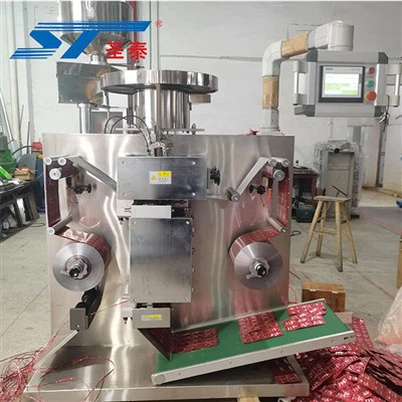
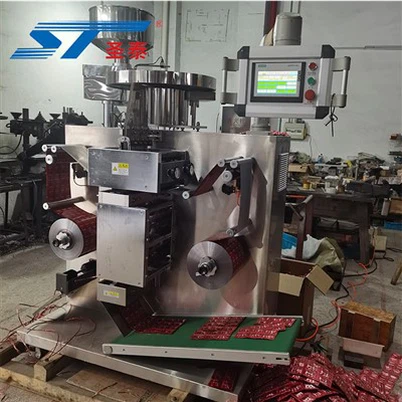
How to ensure the smooth movement of the conveyor belt in the ALU ALU Blister Packing Machine?
Leave a message

As a provider of ALU ALU Blister Packing Machines, I understand the critical role that a smoothly operating conveyor belt plays in the overall efficiency and productivity of the packaging process. A malfunctioning or inefficient conveyor belt can lead to downtime, product waste, and increased production costs. In this blog post, I will share some key strategies and best practices to ensure the smooth movement of the conveyor belt in an ALU ALU Blister Packing Machine.


1. Regular Inspection and Maintenance
Regular inspection and maintenance are the cornerstones of ensuring the smooth operation of the conveyor belt. This involves a comprehensive check of all components associated with the conveyor system, including the belt itself, pulleys, bearings, and drive mechanisms.
- Belt Inspection: Inspect the conveyor belt for signs of wear, tear, or damage on a daily basis. Look for cuts, fraying, or uneven wear patterns, as these can indicate potential issues that may lead to belt failure. Check the belt tension regularly to ensure it is within the manufacturer's recommended range. Over-tensioning can cause excessive stress on the belt and other components, while under-tensioning can result in slippage and reduced efficiency.
- Pulley and Bearing Inspection: Examine the pulleys and bearings for signs of wear, corrosion, or misalignment. Lubricate the bearings as per the manufacturer's guidelines to reduce friction and prevent premature wear. Misaligned pulleys can cause the belt to track unevenly, leading to increased wear and potential damage. Use alignment tools to ensure that the pulleys are properly aligned.
- Drive Mechanism Inspection: Check the drive motor, gears, and chains for any signs of damage or malfunction. Ensure that the drive system is properly lubricated and that all connections are secure. A faulty drive mechanism can cause the conveyor belt to stop or operate erratically, disrupting the packaging process.
2. Proper Cleaning and Lubrication
Keeping the conveyor belt and its associated components clean is essential for smooth operation. Dirt, debris, and product residue can accumulate on the belt and pulleys, causing increased friction and wear. Regular cleaning helps to remove these contaminants and maintain optimal performance.
- Cleaning Procedures: Develop a regular cleaning schedule for the conveyor belt and its components. Use a mild detergent and a soft brush or cloth to clean the belt surface. Avoid using abrasive cleaners or tools that may damage the belt. After cleaning, thoroughly dry the belt to prevent rust and corrosion.
- Lubrication: Lubricate the moving parts of the conveyor system, such as the pulleys, bearings, and drive chains, as recommended by the manufacturer. Proper lubrication reduces friction, extends the lifespan of the components, and ensures smooth operation. Use the appropriate lubricant for each application and follow the recommended lubrication intervals.
3. Correct Installation and Alignment
Proper installation and alignment of the conveyor belt are crucial for its smooth movement. Incorrect installation can lead to a variety of problems, including belt tracking issues, excessive wear, and reduced efficiency.
- Installation Guidelines: Follow the manufacturer's installation instructions carefully when installing the conveyor belt. Ensure that the belt is properly tensioned and aligned with the pulleys. Use alignment tools to ensure that the belt is running straight and centered on the pulleys.
- Alignment Checks: Regularly check the alignment of the conveyor belt to ensure that it remains in proper position. Misalignment can cause the belt to rub against the sides of the conveyor frame or other components, leading to premature wear and damage. Make any necessary adjustments to the belt tension or pulley alignment to correct any tracking issues.
4. Operator Training and Education
Well-trained operators are essential for the smooth operation of the ALU ALU Blister Packing Machine and its conveyor belt. Operators should be familiar with the machine's operation, maintenance procedures, and safety protocols.
- Training Programs: Provide comprehensive training programs for operators on the proper use and maintenance of the conveyor belt. Training should cover topics such as belt inspection, cleaning, lubrication, and alignment. Ensure that operators understand the importance of following the manufacturer's guidelines and safety procedures.
- Ongoing Education: Encourage operators to stay updated on the latest industry trends and best practices for conveyor belt maintenance. Provide access to resources such as technical manuals, online training courses, and industry publications. This will help operators to identify and address potential issues before they become major problems.
5. Use of Quality Components
Using high-quality components is essential for the reliable and efficient operation of the conveyor belt. Inferior components may be more prone to failure, leading to increased downtime and maintenance costs.
- Belt Selection: Choose a conveyor belt that is specifically designed for the requirements of the ALU ALU Blister Packing Machine. Consider factors such as belt material, width, thickness, and strength. A high-quality belt will be more durable, resistant to wear and tear, and provide better performance.
- Component Quality: Select high-quality pulleys, bearings, and drive mechanisms from reputable manufacturers. These components are critical for the smooth operation of the conveyor belt and should be able to withstand the demands of the packaging process.
6. Monitoring and Troubleshooting
Regular monitoring of the conveyor belt's performance can help to identify potential issues before they cause significant problems. Use sensors and monitoring devices to track key parameters such as belt speed, tension, and temperature.
- Performance Monitoring: Install sensors to monitor the speed, tension, and temperature of the conveyor belt. Set up alarms to alert operators when these parameters deviate from the normal range. This will allow operators to take corrective action before the belt fails or causes damage to other components.
- Troubleshooting: Develop a troubleshooting guide for common conveyor belt problems. Train operators on how to identify and resolve these issues quickly and effectively. Having a clear troubleshooting process in place will minimize downtime and ensure that the packaging process can resume as soon as possible.
In conclusion, ensuring the smooth movement of the conveyor belt in an ALU ALU Blister Packing Machine requires a combination of regular inspection, maintenance, cleaning, proper installation, operator training, and the use of quality components. By following these best practices, you can minimize downtime, reduce maintenance costs, and improve the overall efficiency and productivity of your packaging operation.
If you are interested in learning more about our ALU ALU Blister Packing Machines or have any questions about conveyor belt maintenance, please feel free to [contact us for procurement negotiation](Insert a call - to - action link to your company's official contact page here). We are committed to providing high - quality packaging solutions and excellent customer service.
References
- Manufacturer's manuals for ALU ALU Blister Packing Machines
- Industry standards and guidelines for conveyor belt maintenance
- Technical publications on packaging machinery and conveyor systems