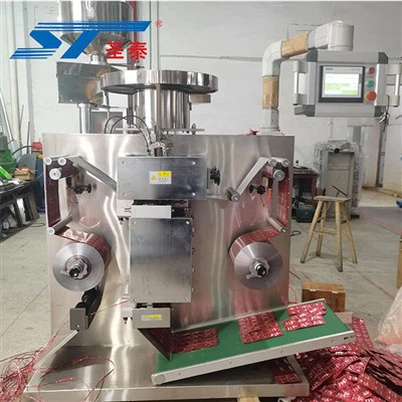
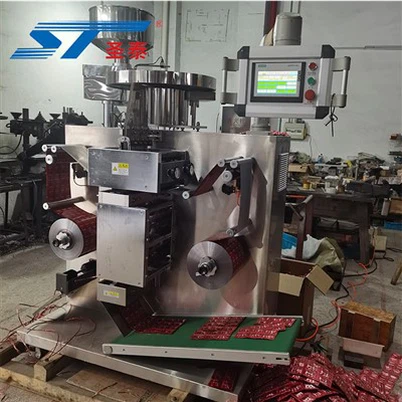
How to improve the sealing quality of the ALU ALU Blister Packing Machine?
Leave a message

As a supplier of ALU ALU Blister Packing Machines, I understand the critical importance of sealing quality in the pharmaceutical and packaging industries. A high - quality seal not only ensures the integrity and safety of the products but also enhances the overall efficiency of the packaging process. In this blog, I will share some valuable insights on how to improve the sealing quality of the ALU ALU Blister Packing Machine.
Understanding the ALU ALU Blister Packing Process
Before delving into the ways to improve sealing quality, it's essential to understand the basic ALU ALU blister packing process. The machine forms cavities in the aluminum foil using a forming station. Then, products such as tablets, capsules, or ampoules are placed into these cavities. Subsequently, a second layer of aluminum foil is sealed over the filled cavities to create a hermetic seal. This process requires precision and control at every step to achieve optimal sealing results.
Factors Affecting Sealing Quality
- Temperature Control
Temperature is one of the most crucial factors in the sealing process. If the sealing temperature is too low, the aluminum foils may not bond properly, resulting in weak seals that can easily break. On the other hand, if the temperature is too high, the aluminum foils can be damaged, leading to charring or deformation. It is necessary to set the appropriate sealing temperature based on the type and thickness of the aluminum foils used. Regular calibration of the temperature sensors on the machine is also essential to ensure accurate temperature control. - Pressure Application
Proper pressure is required to ensure a tight seal between the two layers of aluminum foil. Insufficient pressure can cause incomplete sealing, while excessive pressure can damage the foils or the products inside the blisters. The sealing pressure should be evenly distributed across the entire sealing area. Adjusting the pressure settings according to the product size and the characteristics of the aluminum foils can significantly improve the sealing quality. - Foil Quality
The quality of the aluminum foils used in the blister packing process has a direct impact on the sealing quality. Foils with inconsistent thickness, surface defects, or improper coating can lead to sealing problems. It is recommended to source high - quality aluminum foils from reliable suppliers. Conducting quality inspections on the incoming foils, such as checking the thickness uniformity and surface smoothness, can help prevent sealing issues caused by poor foil quality. - Machine Maintenance
Regular maintenance of the ALU ALU Blister Packing Machine is vital for achieving good sealing quality. Components such as the sealing plates, heating elements, and pressure cylinders need to be inspected and cleaned regularly. Worn - out parts should be replaced promptly to ensure the machine operates at its best. For example, if the sealing plates are not flat or have scratches, it can result in uneven sealing. By keeping the machine in good condition, the risk of sealing failures can be minimized.
Strategies to Improve Sealing Quality
- Optimize Machine Settings
Fine - tuning the machine settings is a key step in improving sealing quality. This includes adjusting the temperature, pressure, and sealing time. Conducting test runs with different settings and analyzing the sealing results can help determine the optimal parameters for a specific product and foil combination. For instance, if you are using a Blister Tablet Forming Sealing and Packing Machine, you may need to adjust the settings based on the size and shape of the tablets. - Implement Quality Control Checks
Establishing a comprehensive quality control system is essential. This can involve visual inspections of the sealed blisters to check for any signs of poor sealing, such as gaps, misalignments, or damaged foils. In addition, using testing equipment like peel strength testers can provide quantitative data on the sealing strength. By regularly monitoring the sealing quality during the production process, any issues can be detected early and corrective actions can be taken promptly. - Train Operators
Well - trained operators play a crucial role in ensuring high - quality sealing. Operators should be educated about the importance of proper machine operation, including setting the correct parameters, handling the foils, and performing routine maintenance tasks. Providing regular training sessions and refresher courses can enhance the operators' skills and knowledge, leading to better sealing results. For example, operators should know how to troubleshoot common sealing problems, such as when using a Small Capsule Blister Packaging Machine. - Use Advanced Technology
Investing in advanced ALU ALU Blister Packing Machines with intelligent control systems can significantly improve sealing quality. These machines are equipped with features such as real - time monitoring of temperature, pressure, and sealing time, allowing for automatic adjustments to maintain optimal sealing conditions. Some machines also have self - diagnostic functions that can detect and alert operators to potential sealing issues before they become major problems.
Case Studies
Let's take a look at some real - world examples of how these strategies have been applied to improve sealing quality. A pharmaceutical company was experiencing high rates of sealing failures with their ALU ALU blister packs. After conducting a thorough analysis, they found that the temperature control on their machine was inaccurate. By calibrating the temperature sensors and adjusting the temperature settings, they were able to reduce the sealing failure rate by 30%.


Another example is a company that switched to high - quality aluminum foils and implemented a strict quality control system. They conducted regular visual inspections and peel strength tests on the sealed blisters. As a result, the overall sealing quality improved significantly, and customer complaints related to packaging integrity were reduced.
Conclusion
Improving the sealing quality of the ALU ALU Blister Packing Machine requires a comprehensive approach that addresses various factors such as temperature control, pressure application, foil quality, and machine maintenance. By optimizing machine settings, implementing quality control checks, training operators, and using advanced technology, manufacturers can achieve high - quality seals that meet the strict requirements of the pharmaceutical and packaging industries.
If you are interested in enhancing the sealing quality of your ALU ALU blister packing process or are looking to purchase a reliable ALU ALU Blister Packing Machine, such as a Blister Packing Machine for Ampoule, please feel free to contact us for more information and to start a procurement negotiation.
References
- Packaging Machinery Manufacturers Institute (PMMI). (20XX). Best Practices for Blister Packing Sealing.
- Pharmaceutical Packaging Technology Journal. (20XX). Studies on Factors Affecting Sealing Quality in ALU ALU Blister Packing.