

How to maintain the lubrication system of a hard capsule filling machine?
Leave a message

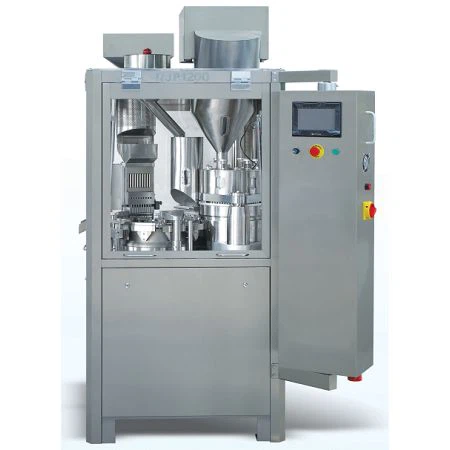
As a supplier of Hard Capsule Filling Machines, I understand the critical role that the lubrication system plays in the efficient and reliable operation of these machines. A well-maintained lubrication system not only extends the lifespan of the machine but also ensures the quality and consistency of the capsule filling process. In this blog, I will share some essential tips on how to maintain the lubrication system of a hard capsule filling machine.
Understanding the Lubrication System
Before delving into maintenance, it's important to understand the basic components of the lubrication system in a hard capsule filling machine. The system typically consists of lubricants, lubrication points, pumps, filters, and reservoirs. Lubricants are used to reduce friction between moving parts, prevent wear and tear, and dissipate heat. The lubrication points are specific areas on the machine where lubricant needs to be applied, such as bearings, gears, and sliding surfaces. Pumps are responsible for delivering the lubricant to the lubrication points, while filters remove contaminants from the lubricant. Reservoirs store the lubricant and ensure a continuous supply.
Selecting the Right Lubricant
The first step in maintaining the lubrication system is to select the right lubricant. The choice of lubricant depends on several factors, including the type of machine, the operating conditions, and the manufacturer's recommendations. Generally, synthetic lubricants are preferred for hard capsule filling machines due to their superior performance and longer service life. Synthetic lubricants offer better resistance to oxidation, wear, and corrosion, and they can operate effectively over a wide range of temperatures.
It's also important to ensure that the lubricant is compatible with the materials used in the machine. Some lubricants may react with certain plastics or rubber seals, causing damage or degradation. Always consult the machine's manual or the lubricant manufacturer for compatibility information.
Regular Inspection and Monitoring
Regular inspection and monitoring of the lubrication system are crucial for early detection of potential problems. Here are some key aspects to check:
- Lubricant Level: Check the lubricant level in the reservoir regularly. A low lubricant level can lead to insufficient lubrication, which may cause excessive wear and overheating of the machine components. If the lubricant level is low, refill it with the recommended lubricant.
- Lubricant Condition: Inspect the lubricant for signs of contamination, such as dirt, debris, or water. Contaminated lubricant can reduce its effectiveness and cause damage to the machine. If the lubricant appears dirty or has an unusual odor, it should be changed immediately.
- Lubrication Points: Check the lubrication points for proper lubrication. Look for signs of dryness, excessive wear, or abnormal noise. If a lubrication point is not receiving sufficient lubricant, it may need to be adjusted or cleaned.
- Pumps and Filters: Inspect the pumps and filters for proper operation. Check for leaks, blockages, or damage. A malfunctioning pump or filter can disrupt the lubrication system and lead to machine failure.
Cleaning and Maintenance of Lubrication Components
Regular cleaning and maintenance of the lubrication components are essential for ensuring the proper functioning of the lubrication system. Here are some tips:

- Reservoir: Clean the reservoir periodically to remove any accumulated dirt or debris. Use a clean, lint-free cloth to wipe the inside of the reservoir. If the reservoir is heavily contaminated, it may need to be flushed with a suitable cleaning solvent.
- Pumps and Filters: Clean or replace the pumps and filters according to the manufacturer's recommendations. Clogged filters can restrict the flow of lubricant, while worn-out pumps may not deliver the lubricant at the correct pressure.
- Lubrication Points: Clean the lubrication points to remove any dirt or debris that may have accumulated. Use a clean, dry cloth or a soft brush to clean the surfaces. Avoid using abrasive materials that may damage the components.
Lubrication Schedule
Establishing a regular lubrication schedule is essential for maintaining the lubrication system. The lubrication schedule should be based on the machine's operating hours, the type of lubricant used, and the manufacturer's recommendations. Generally, it's recommended to lubricate the machine at least once a week or after every 100 operating hours. However, this may vary depending on the specific machine and operating conditions.
Keep a record of the lubrication schedule and the lubricant used. This will help you track the maintenance history of the machine and ensure that the lubrication system is properly maintained.
Training and Education
Proper training and education of the machine operators are crucial for the effective maintenance of the lubrication system. Operators should be trained on how to select the right lubricant, how to check the lubricant level and condition, how to clean and maintain the lubrication components, and how to follow the lubrication schedule.
Provide operators with access to the machine's manual and other relevant documentation. Encourage them to ask questions and report any issues or concerns regarding the lubrication system immediately.
Conclusion
Maintaining the lubrication system of a hard capsule filling machine is essential for ensuring its efficient and reliable operation. By selecting the right lubricant, regularly inspecting and monitoring the system, cleaning and maintaining the lubrication components, following a lubrication schedule, and providing proper training and education to the operators, you can extend the lifespan of the machine, improve the quality of the capsule filling process, and reduce the risk of machine failure.
If you are interested in learning more about our Hard Capsule Filling Machines or have any questions regarding the lubrication system maintenance, please feel free to contact us for a procurement discussion. We offer a wide range of Small Capsule Filling Machines and Dosator Capsule Filling Machines to meet your specific needs. You can also explore our Small Capsule Filling Machine for more details.
References
- Manufacturer's manuals for hard capsule filling machines
- Lubricant manufacturer's technical data sheets
- Industry standards and guidelines for lubrication system maintenance


