

How to prevent powder leakage in a Dosator Capsule Filling Machine?
Leave a message

As a trusted supplier of Dosator Capsule Filling Machines, I understand the common issue of powder leakage that many users face. This problem not only leads to product waste but also affects the overall efficiency and quality of the capsule filling process. In this blog, I will share some effective strategies to prevent powder leakage in a Dosator Capsule Filling Machine.
Understanding the Dosator Capsule Filling Machine
Before diving into the prevention methods, it's essential to have a basic understanding of how a Dosator Capsule Filling Machine works. The dosator system is a precise and reliable method for filling capsules with powder. It uses a dosator tube to pick up a specific volume of powder and then deposit it into the capsule body. The accuracy of the filling depends on several factors, including the design of the dosator, the properties of the powder, and the operating conditions of the machine.
Factors Contributing to Powder Leakage
There are several factors that can contribute to powder leakage in a Dosator Capsule Filling Machine. Here are some of the most common ones:
1. Worn or Damaged Parts
Over time, the components of the dosator system, such as the dosator tubes, pistons, and seals, can wear out or get damaged. This can lead to gaps or misalignments, allowing powder to escape during the filling process. Regular inspection and replacement of worn parts are crucial to prevent powder leakage.
2. Improper Adjustment
Incorrect adjustment of the dosator settings, such as the filling depth, dosing volume, or compression force, can also cause powder leakage. If the dosator tube is not inserted deep enough into the powder bed, it may not pick up the correct amount of powder, resulting in spillage. On the other hand, if the compression force is too high, it can cause the powder to be squeezed out of the capsule.
3. Powder Characteristics
The physical properties of the powder, such as particle size, density, and flowability, can significantly affect the filling process. Powders with large particles or poor flowability are more likely to cause blockages or uneven filling, leading to powder leakage. It's important to choose the right powder for the dosator system and ensure that it meets the machine's requirements.
4. Environmental Conditions
The operating environment can also have an impact on powder leakage. High humidity or temperature can cause the powder to clump or stick to the dosator components, making it difficult to fill the capsules accurately. Additionally, vibrations or air currents in the production area can disrupt the filling process and cause powder to escape.
Preventive Measures
Now that we understand the factors contributing to powder leakage, let's look at some preventive measures that can be taken to minimize this problem.
1. Regular Maintenance and Inspection
Regular maintenance is the key to keeping your Dosator Capsule Filling Machine in good working condition. This includes cleaning the machine after each use, lubricating the moving parts, and inspecting the dosator components for wear or damage. Replace any worn or damaged parts immediately to prevent powder leakage.
2. Proper Adjustment of Machine Settings
Ensure that the dosator settings are correctly adjusted according to the type of powder and the capsule size. Follow the manufacturer's instructions carefully and make any necessary adjustments to the filling depth, dosing volume, and compression force. Conduct test runs before starting production to ensure that the machine is filling the capsules accurately.

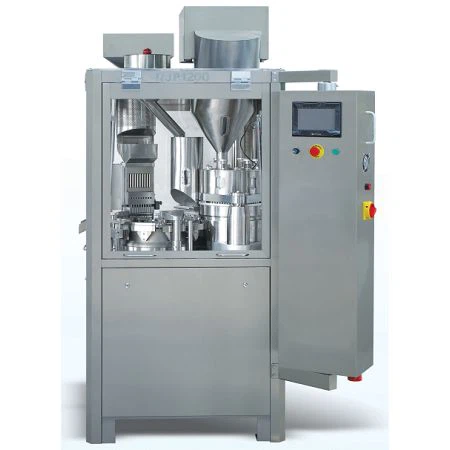
3. Use of High - Quality Components
Invest in high - quality dosator tubes, pistons, and seals. These components are designed to provide a tight seal and prevent powder leakage. Make sure to source these parts from a reputable supplier to ensure their quality and compatibility with your machine.
4. Powder Conditioning
If the powder has poor flowability, consider using powder conditioning techniques such as granulation or blending. This can improve the powder's physical properties and make it easier to fill into the capsules. Additionally, store the powder in a dry and cool environment to prevent clumping.
5. Environmental Control
Maintain a stable operating environment by controlling the humidity, temperature, and air quality in the production area. Use air conditioning or dehumidifiers to keep the humidity levels within the recommended range. Minimize vibrations and air currents by installing the machine on a stable surface and using proper ventilation systems.
6. Operator Training
Provide comprehensive training to your operators on how to operate and maintain the Dosator Capsule Filling Machine properly. Make sure they understand the importance of preventing powder leakage and know how to identify and address potential issues. Regularly review and update the training program to keep the operators informed about the latest best practices.
Choosing the Right Capsule Filling Machine
When selecting a Dosator Capsule Filling Machine, it's important to choose a machine that is suitable for your production needs. Consider factors such as the production capacity, filling accuracy, and ease of maintenance. At our company, we offer a wide range of capsule filling machines, including Small Capsule Filling Machines and Semi - anto Capsule Filling Machine. Our Dosator Capsule Filling Machine is designed with advanced technology to ensure high - precision filling and minimize powder leakage.
Conclusion
Preventing powder leakage in a Dosator Capsule Filling Machine requires a combination of proper maintenance, correct adjustment, and environmental control. By following the preventive measures outlined in this blog, you can significantly reduce powder waste, improve the efficiency of your production process, and ensure the quality of your capsule products.
If you are experiencing powder leakage issues with your current capsule filling machine or are looking to purchase a new one, we are here to help. Our team of experts can provide you with professional advice and support to meet your specific needs. Contact us today to start a discussion about your capsule filling requirements and explore how our machines can benefit your business.
References
- Pharmaceutical Dosage Forms: Capsules, Second Edition, Edited by Sarfaraz N. Khadra, Leonard V. Allen Jr., and Carlton T. Rhodes
- Handbook of Encapsulation and Controlled Release, Edited by David J. Burgess and Shawn O'Donnell


