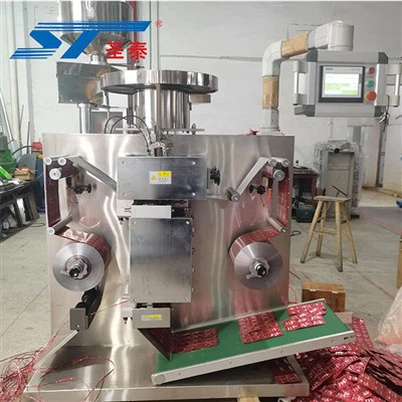
How to calibrate a Tablet Blister Packing Machine?
Leave a message

Hey there! If you're in the pharmaceutical or related industries, you probably know how crucial it is to have a well - calibrated tablet blister packing machine. As a supplier of these machines, I've seen firsthand the difference proper calibration can make. So, let's dive into how you can calibrate a tablet blister packing machine.
Understanding the Basics
Before we start with the actual calibration process, it's important to understand what a tablet blister packing machine does. It's a piece of equipment that packages tablets, capsules, or vials into blister packs. These packs are not only convenient for consumers but also provide protection for the products inside. We offer different types of machines, like the Pill Blister Packaging Machine, Small Capsule Blister Packing Machine, and Blister Packing Machine for Vial.
Pre - Calibration Checks
First things first, you gotta do some pre - calibration checks. These are simple steps that can save you a lot of time and headaches later on.
Machine Inspection
Take a good look at the machine. Check for any visible signs of wear and tear, like loose parts, damaged belts, or frayed wires. Make sure all the guards are in place and functioning properly. This is important for both safety and the accuracy of the calibration.
Material Check
The materials you're using, such as the blister film and the tablets themselves, can affect the calibration. Check the quality of the blister film. It should be free of any holes, wrinkles, or other defects. Also, make sure the tablets are of the right size and shape. If the tablets are not uniform, it can cause problems during the packing process.
Cleaning
A clean machine is a happy machine. Clean all the parts of the machine, especially the areas where the tablets and the blister film come into contact. Remove any dust, debris, or leftover tablets. This will ensure that the machine operates smoothly and that the calibration is accurate.
Calibration Steps
Temperature Calibration
The temperature is a critical factor in the blister packing process. If the temperature is too low, the blister film may not seal properly. If it's too high, the film may melt or the tablets may be damaged.
- Using a Thermocouple: Most modern blister packing machines have built - in temperature sensors. But it's a good idea to use an external thermocouple to double - check the temperature. Place the thermocouple at different points on the sealing area of the machine.
- Adjusting the Temperature Settings: Compare the readings from the thermocouple with the temperature settings on the machine. If there's a difference, adjust the settings accordingly. Make small adjustments and wait for the machine to reach the new temperature before taking another reading.
Pressure Calibration
The pressure applied during the sealing process is also very important. If the pressure is too low, the blister packs may not be sealed properly. If it's too high, the blister film may be damaged.


- Pressure Gauge Check: Check the pressure gauge on the machine. Make sure it's working correctly. You can use a calibrated pressure gauge to verify the readings.
- Adjusting the Pressure: If the pressure is off, adjust the pressure settings on the machine. This may involve turning a valve or adjusting a screw. Again, make small adjustments and test the seals to see if they're satisfactory.
Tablet Feeding Calibration
Getting the right number of tablets into each blister pocket is crucial.
- Counting Mechanism Check: Inspect the tablet counting mechanism. Make sure it's not jammed and that all the parts are moving freely.
- Adjusting the Feed Rate: If the machine is not feeding the correct number of tablets, you may need to adjust the feed rate. This can usually be done by changing the speed of the conveyor or the settings on the counting mechanism.
Blister Forming Calibration
The blister forming process creates the pockets in the blister film where the tablets will be placed.
- Mold Inspection: Check the blister forming mold. Make sure it's clean and free of any damage. If there are any defects in the mold, it can cause problems with the shape and size of the blisters.
- Forming Pressure and Temperature: Similar to the sealing process, the pressure and temperature during blister forming are important. Adjust these settings as needed to ensure that the blisters are formed correctly.
Post - Calibration Testing
Once you've completed the calibration, it's time to test the machine.
Sample Runs
Run a few sample blister packs through the machine. Check the quality of the seals, the number of tablets in each pocket, and the overall appearance of the blister packs. If there are any issues, go back and re - calibrate the relevant settings.
Quality Control Checks
Perform some quality control checks on the sample blister packs. You can use a microscope to check the seals for any signs of leakage. Also, weigh a few blister packs to make sure they contain the correct amount of tablets.
Troubleshooting
Even after calibration, you may encounter some problems. Here are some common issues and how to fix them.
Seal Problems
If the blister packs are not sealing properly, it could be due to incorrect temperature, pressure, or a dirty sealing surface. Check the temperature and pressure settings and clean the sealing area.
Tablet Feeding Issues
If the machine is not feeding the tablets correctly, check the counting mechanism for jams or blockages. You may also need to adjust the feed rate.
Blister Forming Problems
If the blisters are not forming correctly, check the mold for damage and adjust the forming pressure and temperature.
Why Calibration Matters
Calibrating your tablet blister packing machine regularly is essential for several reasons.
Product Quality
Proper calibration ensures that the blister packs are of high quality. The seals are strong, the tablets are correctly placed, and the overall appearance of the packs is professional. This is important for customer satisfaction and for meeting regulatory requirements.
Machine Efficiency
A well - calibrated machine operates more efficiently. It uses less energy, has fewer breakdowns, and produces fewer defective products. This can save you money in the long run.
Regulatory Compliance
In the pharmaceutical industry, there are strict regulations regarding the packaging of products. Calibrating your blister packing machine helps you meet these regulations and avoid any legal issues.
Wrapping Up
Calibrating a tablet blister packing machine is not a one - time thing. It's an ongoing process that requires regular checks and adjustments. By following the steps outlined in this blog, you can ensure that your machine is operating at its best.
If you're in the market for a new tablet blister packing machine or need more information on calibration, don't hesitate to reach out. We're here to help you find the right solution for your business. Whether you need a Pill Blister Packaging Machine, Small Capsule Blister Packing Machine, or Blister Packing Machine for Vial, we've got you covered.
References
- Pharmaceutical Packaging Handbook, Third Edition
- Machinery's Handbook, 30th Edition
- Technical manuals of tablet blister packing machines