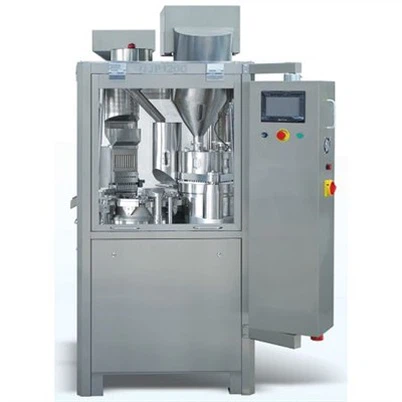
What is the calibration process of a capsule filling machine?
Leave a message

What is the calibration process of a capsule filling machine?
As a well - established supplier of Capsule Filling Machines, I understand the crucial role that calibration plays in the proper functioning and efficiency of these devices. Calibration is more than just a routine check; it is a precision - driven process that ensures the quality and accuracy of the capsules being produced. In this blog post, I will delve into the details of the calibration process of a capsule filling machine, providing insights that will help users and potential buyers understand the importance of this procedure.
Why is Calibration Necessary?
Before we dive into the calibration process, it's essential to understand why it is necessary. A capsule filling machine is designed to fill capsules with a specific amount of powder, granules, or other substances. Any deviation from the set dosage can lead to inconsistent product quality, which is unacceptable in the pharmaceutical and nutraceutical industries. Calibration ensures that the machine dispenses the correct amount of material into each capsule, maintaining product integrity and compliance with regulatory standards.
Pre - Calibration Checks
The calibration process begins with a series of pre - calibration checks. These checks are designed to ensure that the machine is in proper working condition and that all components are clean and free of debris.
- Visual Inspection: Conduct a thorough visual inspection of the machine. Check for any signs of wear and tear on the mechanical parts, such as the dosing system, the capsule separation mechanism, and the filling nozzles. Look for loose or damaged connections, and ensure that all safety guards are in place.
- Cleaning: Clean the machine according to the manufacturer's instructions. This includes removing any residual powder or granules from the hopper, dosing chambers, and other contact surfaces. A clean machine not only ensures accurate calibration but also prevents cross - contamination between different batches of capsules.
- Power and Electrical Checks: Verify that the machine is properly powered and that all electrical connections are secure. Check the voltage and current requirements to ensure that they are within the specified range. Any electrical issues can affect the performance of the machine and lead to inaccurate dosing.
Calibration of the Dosing System
The dosing system is the heart of a capsule filling machine, and its calibration is of utmost importance. There are different types of dosing systems, such as the dosator system and the volumetric system. Here, I will focus on the dosator system, which is widely used in high - precision capsule filling machines. You can learn more about Dosator Capsule Filling Machine.


- Set the Target Dosage: Determine the target dosage for the capsules based on the product requirements. This information is usually provided in the product formulation or the manufacturing specifications.
- Adjust the Dosator Stroke: The dosator stroke determines the amount of powder that is picked up and dispensed into the capsules. Use the machine's control panel or adjustment mechanisms to set the dosator stroke to the appropriate length. This may require some trial and error, as the optimal stroke length can vary depending on the powder characteristics, such as density and flowability.
- Perform Test Runs: Once the dosator stroke is set, perform a series of test runs. Start with a small number of capsules and weigh the filled capsules to measure the actual dosage. Compare the measured dosage with the target dosage. If there is a significant deviation, make further adjustments to the dosator stroke.
- Statistical Analysis: To ensure the accuracy and repeatability of the dosing process, it is recommended to perform a statistical analysis of the test results. Calculate the mean, standard deviation, and coefficient of variation of the measured dosages. These statistical parameters can help you determine the stability and precision of the dosing system.
Calibration of the Capsule Separation and Alignment
Proper capsule separation and alignment are essential for accurate filling. If the capsules are not separated correctly or are misaligned, it can lead to incomplete filling or spillage of the filling material.
- Adjust the Separation Mechanism: Most capsule filling machines are equipped with a capsule separation mechanism that uses vacuum or mechanical force to separate the capsule bodies from the caps. Adjust the settings of this mechanism to ensure that the capsules are separated cleanly and consistently. You may need to adjust the vacuum pressure or the mechanical force depending on the type and size of the capsules.
- Check the Alignment System: The alignment system ensures that the separated capsule bodies and caps are properly aligned for filling. Inspect the alignment guides and adjust them if necessary. Make sure that the capsules are centered and that there is no significant deviation from the ideal alignment.
- Test the Separation and Alignment: Perform test runs to verify the effectiveness of the separation and alignment process. Check the capsules for proper separation and alignment after each test run. If any issues are detected, make further adjustments to the separation and alignment mechanisms.
Calibration of the Machine Speed
The machine speed can also affect the filling accuracy. A higher machine speed may require more precise calibration to ensure consistent dosing.
- Determine the Optimal Speed: Based on the product requirements and the capabilities of the machine, determine the optimal speed for the filling process. Consider factors such as the powder flowability, the size of the capsules, and the desired production rate.
- Adjust the Speed Settings: Use the machine's control panel to adjust the speed settings. Start with a slow speed and gradually increase it while monitoring the filling accuracy. Make sure that the machine maintains a stable and consistent performance at the selected speed.
- Monitor the Filling Quality: At each speed setting, monitor the filling quality by weighing the filled capsules and checking for any signs of under - filling or over - filling. If the filling quality deteriorates at a particular speed, reduce the speed or make further adjustments to the dosing system.
Post - Calibration Checks
After completing the calibration process, it is important to perform a series of post - calibration checks to ensure that the machine is functioning properly.
- Final Test Runs: Perform a final series of test runs with a larger number of capsules. Check the filling accuracy, the capsule quality, and the overall performance of the machine. Make any necessary adjustments if any issues are detected.
- Documentation: Document the calibration process, including the settings, the test results, and any adjustments made. This documentation is important for quality control purposes and for complying with regulatory requirements.
- Regular Maintenance: Establish a regular maintenance schedule for the capsule filling machine. Regular maintenance helps to keep the machine in optimal condition and reduces the need for frequent calibration.
Conclusion
The calibration process of a capsule filling machine is a complex and precise procedure that requires attention to detail and a thorough understanding of the machine's operation. As a Automatic Capsule Filling Machine supplier, we are committed to providing our customers with high - quality machines and comprehensive support for calibration and maintenance. If you are in the market for a capsule filling machine or need assistance with calibration, contact us to discuss your requirements. We will be more than happy to help you find the right solution for your pharmaceutical or nutraceutical production needs.
References
- Pharmaceutical Engineering: Principles and Practices, Third Edition. Editors: Padma G. Dave, Prashant K. Garg.
- Handbook of Encapsulation and Controlled Release, Second Edition. Editor: Ali Ghaderi.