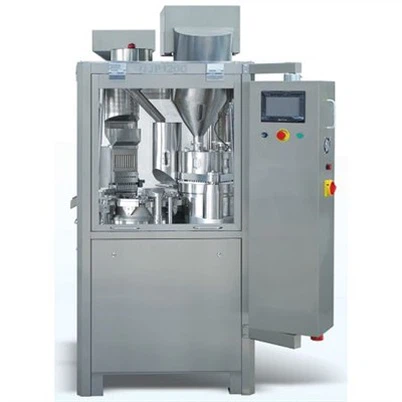
What is the power consumption of a smaller blister packing machine?
Leave a message

Hey there! As a supplier of smaller blister packing machines, I often get asked about the power consumption of these nifty little devices. So, I thought I'd take a deep dive into this topic and share some insights with you all.
First off, let's talk about what a smaller blister packing machine is. These machines are used to pack all sorts of products, from pharmaceuticals to small consumer goods, into blister packs. They're great because they're compact, efficient, and can be a real game - changer for small - to - medium - sized businesses.
Now, the power consumption of a smaller blister packing machine can vary quite a bit depending on several factors. One of the main factors is the type of machine. There are different models out there, each with its own set of features and functions. For example, an Automatic Blister Packaging Machine might have a different power consumption compared to a more basic manual or semi - automatic one.
The components of the machine also play a huge role. Most blister packing machines have a heating element, a forming station, a sealing station, and a cutting station. The heating element is usually the biggest power hog. It needs to heat up the plastic film to a specific temperature so that it can be formed into the blister shape. The power required for this heating process depends on the size of the heating element and how quickly it needs to reach the desired temperature.
Another important component is the motor. The motor is responsible for moving the various parts of the machine, like the conveyor belts, the forming molds, and the cutting blades. The power of the motor can vary based on the machine's speed and the amount of force it needs to apply. A more powerful motor will consume more electricity, but it can also increase the machine's productivity.
Let's take a look at some real - world numbers. On average, a smaller blister packing machine might consume anywhere from 2 to 5 kilowatts per hour (kWh). However, this is just a rough estimate. A very basic, small - scale machine with limited features might consume as little as 1.5 kWh per hour. On the other hand, a high - end, fully automatic Blister Packing Machine - professional with advanced functions could consume up to 7 kWh per hour.

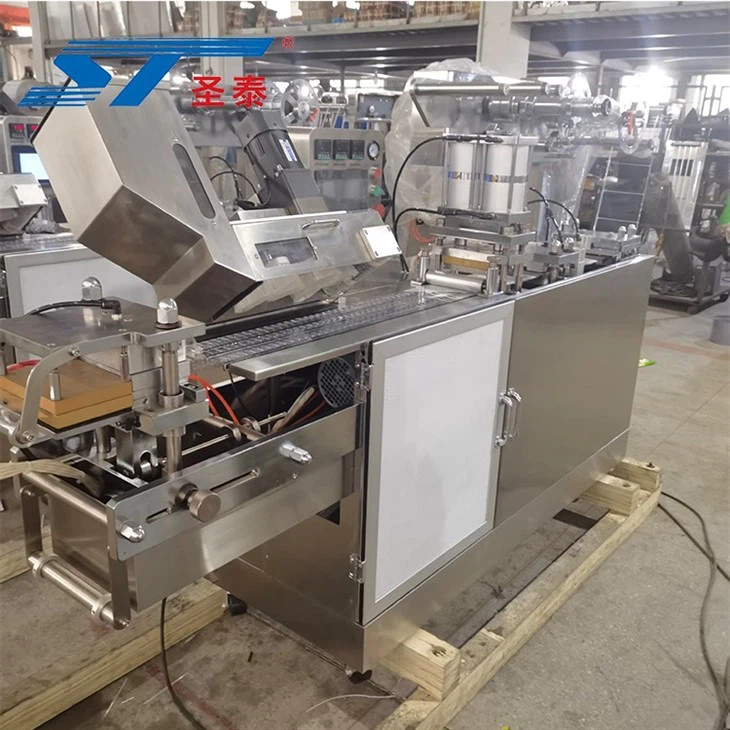
It's also important to consider the operating mode of the machine. If the machine is running continuously at full capacity, it will consume more power. But if it's running in a stop - and - start mode, or if it has energy - saving features like automatic shut - off when not in use, the power consumption can be significantly reduced.
For instance, let's say you have a small business that uses a blister packing machine for a few hours a day. If your machine consumes 3 kWh per hour and you run it for 4 hours a day, that's 12 kWh per day. Over a month (assuming 30 days), that's 360 kWh. The cost of this electricity will depend on your local electricity rates.
Now, if you're packing ampoules, you might be interested in a Blister Packing Machine for Ampoule. These machines are designed specifically for the unique requirements of ampoule packaging, and their power consumption can also vary. They usually have specialized forming and sealing mechanisms to ensure the safety and integrity of the ampoules, which might affect the power usage.
When choosing a smaller blister packing machine, it's crucial to balance power consumption with productivity. A machine that consumes a bit more power but can produce a higher volume of blister packs in a shorter time might actually be more cost - effective in the long run. You also need to consider the quality of the packaging. A machine that uses more power to ensure a better - sealed and more professional - looking blister pack might be worth the extra energy cost.
If you're concerned about reducing the power consumption of your blister packing machine, there are a few things you can do. First, make sure the machine is properly maintained. A well - maintained machine will operate more efficiently and use less power. This includes regular cleaning, lubrication, and checking for any worn - out parts.
Second, optimize your production schedule. Try to run the machine at full capacity as much as possible. Starting and stopping the machine frequently can waste energy. Also, if your machine has energy - saving settings, make sure to use them.
In conclusion, the power consumption of a smaller blister packing machine is a complex topic that depends on many factors. But by understanding these factors, you can make an informed decision when choosing a machine for your business. Whether you're a small startup or an established company, finding the right balance between power consumption, productivity, and cost is key.
If you're in the market for a smaller blister packing machine, I'd love to have a chat with you. We can discuss your specific needs, the power consumption of our different models, and how we can help you get the most out of your investment. Don't hesitate to reach out and start a conversation about your packing requirements.
References
- Industry reports on blister packing machine technology
- Manufacturer specifications of various blister packing machines