

Can a Capsule Strip Packing Machine be integrated with an automatic feeding system?
Leave a message

As a supplier of Capsule Strip Packing Machines, I often encounter inquiries from customers about the possibility of integrating these machines with an automatic feeding system. This blog post aims to explore this topic in depth, providing insights into the feasibility, benefits, and considerations of such an integration.
Feasibility of Integration
The short answer is yes, a Capsule Strip Packing Machine can be integrated with an automatic feeding system. Modern technology has made it possible to connect various packaging equipment components seamlessly, creating a more efficient and streamlined production line. The key lies in ensuring that both the packing machine and the feeding system are compatible in terms of their mechanical, electrical, and control interfaces.
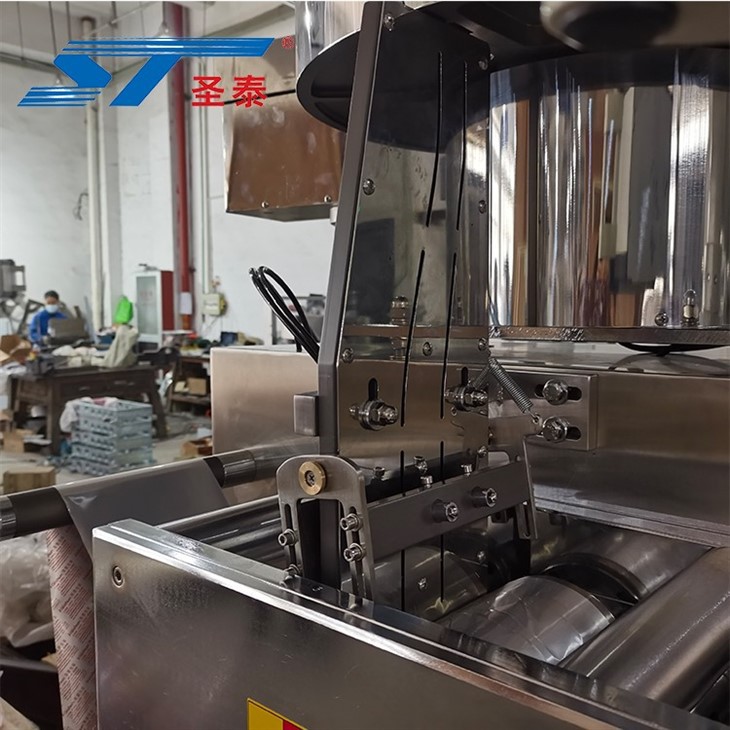
Most Capsule Strip Packing Machines are designed with modularity in mind, allowing for easy integration with other equipment. They typically have standard input and output ports that can be connected to an automatic feeding system. Additionally, many manufacturers offer customization options to ensure that the integration meets the specific requirements of the customer's production process.

Benefits of Integration
Integrating a Capsule Strip Packing Machine with an automatic feeding system offers several significant benefits:
Increased Efficiency
One of the primary advantages is the significant increase in production efficiency. An automatic feeding system can continuously supply capsules to the packing machine at a consistent rate, eliminating the need for manual feeding. This reduces the time and labor required for the packaging process, allowing for higher production volumes in a shorter period.
Improved Accuracy
Automatic feeding systems are designed to dispense capsules accurately, ensuring that the correct number of capsules is placed in each strip. This reduces the risk of overfilling or underfilling, which can lead to product waste and quality issues. The precision of the feeding system also helps to maintain the integrity of the capsules during the packaging process.
Enhanced Quality Control
By automating the feeding process, it becomes easier to implement quality control measures. The feeding system can be equipped with sensors and detectors to identify and reject any defective or damaged capsules before they enter the packing machine. This helps to ensure that only high-quality products are packaged and shipped to customers.
Reduced Labor Costs
Manual feeding of capsules is a labor-intensive task that requires skilled operators. By integrating an automatic feeding system, companies can reduce their labor costs by minimizing the number of workers required for the packaging process. This not only saves money but also reduces the risk of human error and fatigue.
Considerations for Integration
While the integration of a Capsule Strip Packing Machine with an automatic feeding system offers many benefits, there are several considerations that need to be taken into account:
Compatibility
As mentioned earlier, it is crucial to ensure that the packing machine and the feeding system are compatible in terms of their mechanical, electrical, and control interfaces. This may require some customization or modification of the equipment to ensure a seamless integration. It is recommended to work closely with the equipment manufacturers to ensure that the integration is properly designed and implemented.
Space Requirements
Both the Capsule Strip Packing Machine and the automatic feeding system require a certain amount of space in the production facility. It is important to consider the available space and layout of the facility when planning the integration. The feeding system should be positioned in a way that allows for easy access to the packing machine and minimizes the distance between the two.
Maintenance and Support
Integrating new equipment into a production line requires proper maintenance and support to ensure its reliable operation. It is important to have a maintenance plan in place that includes regular inspections, cleaning, and servicing of both the packing machine and the feeding system. Additionally, it is recommended to work with a supplier that offers comprehensive technical support and training to ensure that the equipment is operated and maintained correctly.
Cost
The cost of integrating a Capsule Strip Packing Machine with an automatic feeding system can vary depending on the specific requirements of the production process. It is important to consider the upfront cost of the equipment, as well as the long-term cost savings in terms of increased efficiency and reduced labor costs. A cost-benefit analysis should be conducted to determine the feasibility and return on investment of the integration.
Conclusion
In conclusion, the integration of a Capsule Strip Packing Machine with an automatic feeding system is a viable and beneficial option for companies looking to improve their packaging efficiency and quality. By carefully considering the compatibility, space requirements, maintenance, and cost factors, companies can successfully integrate these two components to create a more efficient and streamlined production line.
If you are interested in learning more about our Capsule Strip Packing Machine and how it can be integrated with an automatic feeding system, or if you have any other questions about our Tablet Strip Packing Machine or Strip Package Machine, please feel free to contact us. Our team of experts will be happy to assist you in finding the best solution for your packaging needs.
References
- Packaging Machinery Manufacturers Institute (PMMI). (2023). Packaging Machinery Technology Trends.
- Singh, R. P., & Heldman, D. R. (2014). Introduction to Food Engineering. Academic Press.
- Woods, J. L. (2012). Handbook of Food Packaging Technology. Wiley-Blackwell.


