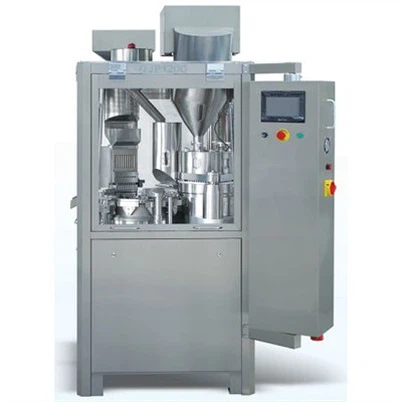
What is the UV - resistance of the blister packaging produced by a powder blister packing machine?
Leave a message

Hey there! As a supplier of Powder Blister Packing Machines, I often get asked about the UV-resistance of the blister packaging produced by these machines. So, I thought I'd take a deep - dive into this topic and share some insights with you.


First off, let's understand what blister packaging is. It's a popular form of packaging where a product, in this case, powder, is sealed between a blister (usually made of plastic) and a backing card or a lidding material. The blister is formed using a powder blister packing machine, which heats and molds the plastic sheet into the desired shape to hold the powder product.
Now, UV resistance is a big deal when it comes to packaging. Ultraviolet (UV) light can cause all sorts of problems for products. It can break down the chemical structure of powders, leading to a loss of potency, change in color, and even a change in taste. For example, if you're packaging a nutritional powder, UV light exposure could degrade the vitamins and minerals in it, making the product less effective.
The UV - resistance of the blister packaging depends on several factors. One of the most important ones is the type of plastic used to make the blister. Different plastics have different levels of UV resistance.
Types of Plastics and Their UV Resistance
- PVC (Polyvinyl Chloride): This is one of the most commonly used plastics in blister packaging. PVC is relatively inexpensive and easy to form. However, its UV resistance is not the best. It can start to degrade when exposed to long - term sunlight, which may lead to yellowing and a loss of mechanical strength. If your powder product is not extremely sensitive to UV light and is likely to be stored indoors most of the time, PVC could be a cost - effective option.
- PET (Polyethylene Terephthalate): PET has better UV resistance compared to PVC. It's a clear, strong plastic that can provide a good barrier against UV rays. It also has excellent clarity, which can be great for displaying the powder product inside the blister. Many high - end powder products are packed in PET blisters because of its better protective properties and aesthetic appeal.
- PVDC (Polyvinylidene Chloride): This plastic offers very high levels of UV resistance. It's also a great barrier against moisture, oxygen, and other gases. PVDC - coated blisters are often used for packaging products that are extremely sensitive to environmental factors, including UV light. However, it's more expensive than PVC and PET, so cost can be a consideration.
Another factor that affects the UV resistance of blister packaging is the thickness of the plastic. Thicker plastics generally provide better UV protection. The powder blister packing machine can be adjusted to form blisters with different thicknesses of the plastic sheet. If you're packaging a product that requires high - level UV protection, you might want to consider using a thicker plastic.
In addition to the plastic type and thickness, additives can also be used to enhance the UV resistance of blister packaging. UV stabilizers can be added to the plastic during the manufacturing process. These stabilizers work by absorbing or scattering the UV light, preventing it from reaching the powder product inside the blister.
Now, you might be wondering how you can test the UV resistance of the blister packaging produced by our powder blister packing machine. There are several standard testing methods available. One common method is to expose the blister - packed samples to artificial UV light sources in a controlled environment. This simulates long - term sunlight exposure in a much shorter period. After the exposure, the samples are examined for any signs of degradation, such as changes in color, mechanical properties, and the stability of the powder product inside.
At our company, we take the UV - resistance of the blister packaging seriously. We provide our customers with options to choose from different types of plastics and can customize the thickness and add UV stabilizers according to the specific requirements of their powder products. Whether you're packaging a common household powder or a high - value pharmaceutical powder, we can ensure that the blister packaging offers the right level of UV protection.
If you're in the market for a reliable powder blister packing machine, or if you want to know more about the UV - resistance of the blister packaging it produces, we're here to help. Also, if you're interested in other types of blister packaging machines, check out these links:
- Tablet Blister Packaging Machine
- Blister Tablet Forming Sealing and Packing Machine
- Pill Blister Packaging Machine
We'd love to have a chat with you about your specific packaging needs. Whether it's determining the right UV - resistant blister packaging or choosing the most suitable powder blister packing machine, our team of experts is just a message away. Reach out to us, and let's start a great partnership for your powder packaging requirements!
References
- "Plastics in Packaging Applications", Elsevier Publishing
- "UV Stabilization of Plastics: Principles and Applications", Wiley - VCH