

How to adjust the packing parameters of a smaller blister packing machine?
Leave a message

Hey there! As a supplier of smaller blister packing machines, I've seen a lot of folks scratching their heads over how to adjust the packing parameters of these nifty little machines. It's not as complicated as it might seem at first glance, and in this blog, I'm gonna walk you through the whole process.
First off, let's talk about why adjusting the packing parameters is so important. You see, different products have different requirements when it comes to blister packing. Whether you're packing pills, small electronic components, or other items, getting the parameters right ensures that the product is well - protected, the blister is properly sealed, and the overall packing looks professional.
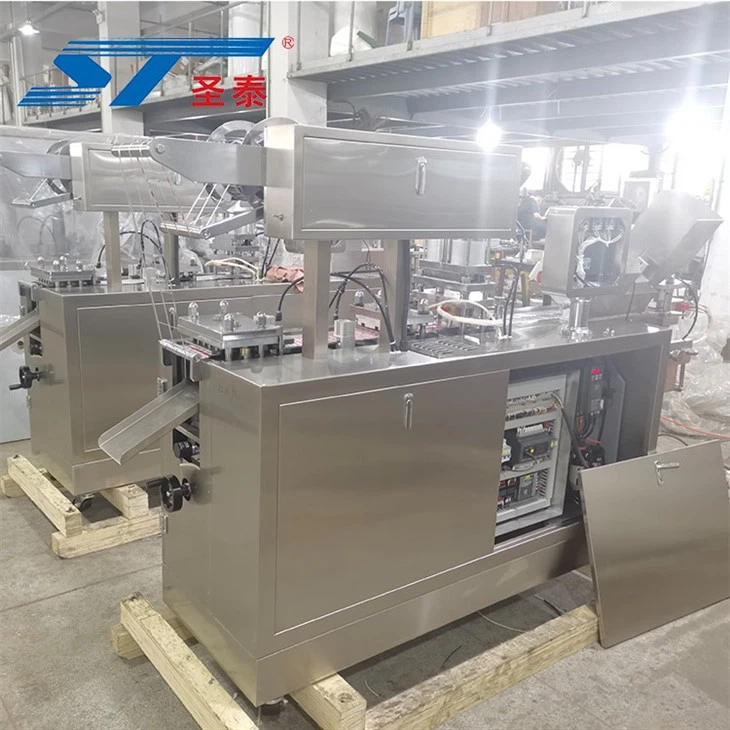

Understanding the Basics of Blister Packing Parameters
Before we dive into the adjustment process, it's crucial to understand what these parameters are. The main ones we'll be dealing with include temperature, pressure, sealing time, and forming depth.
- Temperature: This is a key factor in the blister packing process. If the temperature is too low, the plastic film won't seal properly, and your product might not be well - protected. On the other hand, if it's too high, the film could melt or deform, ruining the packing. For most common plastic films used in smaller blister packing machines, the ideal sealing temperature usually ranges from 120°C to 180°C. But this can vary depending on the type of film you're using.
- Pressure: The right amount of pressure is needed to ensure a tight seal between the plastic film and the backing material. If the pressure is too low, the seal might be weak, and the blister could come apart easily. Too much pressure, and you might damage the product or the packing materials.
- Sealing Time: This refers to how long the heat and pressure are applied during the sealing process. A longer sealing time can result in a stronger seal, but it also increases the risk of over - heating the materials. Shorter sealing times might not create a strong enough seal.
- Forming Depth: This parameter determines the shape and size of the blister cavity. It needs to be adjusted according to the size and shape of the product you're packing. If the forming depth is too shallow, the product might not fit properly, and if it's too deep, it could waste packing materials.
Step - by - Step Guide to Adjusting Packing Parameters
Now that we know what the parameters are, let's go through the steps to adjust them.
Step 1: Start with the Manufacturer's Recommendations
The first thing you should do is check the user manual that came with your smaller blister packing machine. The manufacturer usually provides some basic guidelines on the recommended parameter settings for different types of products and packing materials. This is a great starting point, but you might still need to make some fine - tuning based on your specific needs.
Step 2: Test with a Sample
Before you start packing a large batch of products, it's always a good idea to do a test run with a sample. Select a few representative products and set the parameters according to the manufacturer's recommendations. Run the machine and check the quality of the packed samples. Look for signs of poor sealing, such as gaps in the seal or unevenly sealed areas. Also, make sure the product fits well inside the blister.
Step 3: Adjust the Temperature
If the seal on your test samples is weak or not fully formed, you might need to increase the temperature. Make small adjustments, about 5°C to 10°C at a time, and run another test. Keep doing this until you get a good seal. If you notice that the film is melting or deforming, reduce the temperature.
Step 4: Adjust the Pressure
If the seal is still not satisfactory after adjusting the temperature, it might be a pressure issue. You can usually adjust the pressure on your blister packing machine using a pressure regulator. Increase the pressure slightly and test again. If the product or the packing materials are getting damaged, reduce the pressure.
Step 5: Adjust the Sealing Time
If the seal is still not strong enough, you can try increasing the sealing time. Again, make small adjustments, about 0.1 to 0.2 seconds at a time, and test. If the materials are over - heated, reduce the sealing time.
Step 6: Adjust the Forming Depth
If the product doesn't fit properly inside the blister, you need to adjust the forming depth. Most smaller blister packing machines have a mechanism to adjust the forming depth. Increase or decrease the depth according to the size of the product and test until you get a perfect fit.
Tips for Efficient Parameter Adjustment
- Keep Records: As you make adjustments and run tests, keep a record of the parameter settings and the results. This will help you remember what worked and what didn't, and it'll make it easier to adjust the parameters in the future if you're packing the same product again.
- Use High - Quality Materials: The quality of the packing materials can have a big impact on the packing process. Make sure you're using high - quality plastic films and backing materials that are compatible with your blister packing machine.
- Regular Maintenance: Keep your blister packing machine well - maintained. Clean it regularly, lubricate the moving parts, and check for any signs of wear and tear. A well - maintained machine will perform better and make it easier to adjust the packing parameters.
Different Types of Blister Packing Machines
We offer a variety of blister packing machines to meet different needs. If you're looking for a more hands - on approach, our Manual Blister Packing Machine is a great option. It's perfect for small - scale production or for testing new products. For packing ampoules, our Blister Packing Machine for Ampoule is specifically designed to handle these delicate products. And if you need a high - volume, fully automated solution, our Automatic Blister Packaging Machine is the way to go.
Conclusion
Adjusting the packing parameters of a smaller blister packing machine might seem like a daunting task at first, but with a little patience and some practice, you'll be able to get it right. Remember to start with the manufacturer's recommendations, test with samples, and make small adjustments until you achieve the perfect packing. And if you have any questions or need further assistance, don't hesitate to reach out. We're here to help you make the most of your blister packing machine. Whether you're a small business just starting out or an established company looking to upgrade your packing process, we have the right solution for you. So, if you're interested in our blister packing machines or have any inquiries about parameter adjustment, feel free to contact us for a detailed discussion and a potential purchase.
References
- Packaging Machinery Manufacturers Institute. (2022). Handbook of Blister Packaging Technology.
- Smith, J. (2021). Best Practices for Blister Packing Machine Operation. Packaging World Magazine.





