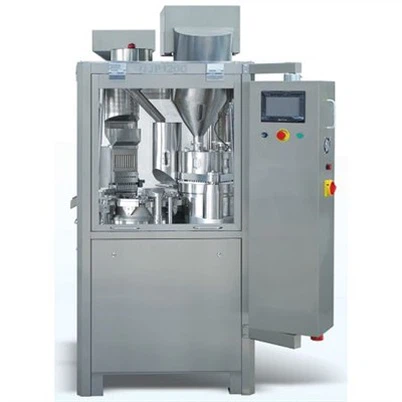
How to maintain an Automatic Strip Packing Machine?
Leave a message

As a supplier of Automatic Strip Packing Machines, I understand the importance of proper maintenance to ensure the longevity and efficient operation of these machines. In this blog post, I will share some essential tips on how to maintain an Automatic Strip Packing Machine.
Regular Cleaning
One of the most fundamental aspects of maintaining an Automatic Strip Packing Machine is regular cleaning. Over time, dust, debris, and product residues can accumulate on the machine's components, which can affect its performance and lead to malfunctions. Therefore, it is crucial to clean the machine thoroughly on a regular basis.
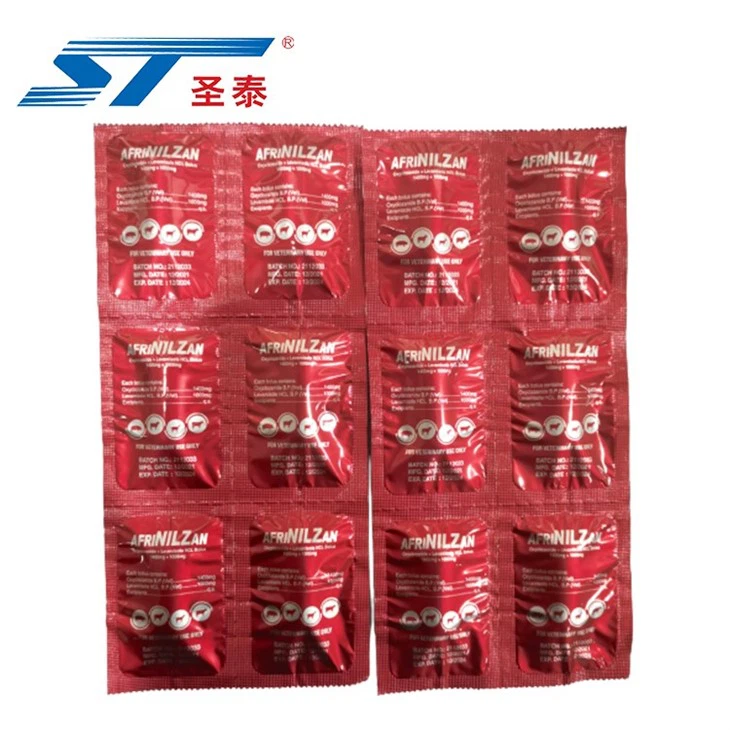

- Daily Cleaning: After each production run, use a clean, dry cloth to wipe down the exterior of the machine, including the control panel, conveyor belts, and sealing units. Remove any loose debris or product particles from the feeding hopper and the packaging area.
- Weekly Cleaning: Once a week, perform a more in - depth cleaning. Disassemble the removable parts, such as the forming rollers, cutting blades, and sealing jaws, according to the manufacturer's instructions. Soak these parts in a mild cleaning solution and use a soft brush to remove stubborn dirt and residues. Rinse the parts thoroughly with clean water and dry them completely before reassembling.
- Monthly Cleaning: On a monthly basis, clean the internal components of the machine, such as the gears, chains, and bearings. Use a compressed air gun to blow out any dust or debris from hard - to - reach areas. Lubricate the moving parts with the appropriate lubricant as recommended by the manufacturer.
Inspection and Calibration
Regular inspection and calibration are essential to ensure that the Automatic Strip Packing Machine is operating at its optimal performance.
- Visual Inspection: Conduct a visual inspection of the machine before each production run. Check for any signs of wear and tear, such as loose belts, damaged wires, or cracked components. Look for leaks in the pneumatic or hydraulic systems. If any issues are detected, address them immediately to prevent further damage.
- Functionality Inspection: Test the functionality of all the machine's components, including the feeding system, forming system, sealing system, and cutting system. Make sure that the machine is feeding products accurately, forming the strips correctly, sealing them tightly, and cutting them precisely.
- Calibration: Periodically calibrate the machine to ensure accurate packaging. This includes calibrating the temperature settings of the sealing jaws, the speed of the conveyor belts, and the pressure of the pneumatic or hydraulic systems. Follow the manufacturer's calibration procedures carefully to achieve the best results.
Lubrication
Proper lubrication is crucial for the smooth operation of the Automatic Strip Packing Machine. Lubricants reduce friction between moving parts, prevent wear and tear, and extend the lifespan of the machine.
- Identify Lubrication Points: Refer to the machine's manual to identify all the lubrication points. These typically include gears, bearings, chains, and sliding surfaces.
- Use the Right Lubricant: Use the lubricant recommended by the manufacturer. Different types of components may require different types of lubricants, such as grease or oil. Make sure to use the correct viscosity and grade of lubricant for each application.
- Lubrication Schedule: Establish a regular lubrication schedule based on the machine's usage and the manufacturer's recommendations. Over - lubrication can be just as harmful as under - lubrication, so follow the specified amounts and intervals carefully.
Belt and Chain Maintenance
Belts and chains are critical components of the Automatic Strip Packing Machine, and proper maintenance of these parts is essential.
- Tension Adjustment: Check the tension of the belts and chains regularly. Loose belts or chains can cause slippage, which can affect the machine's performance. Adjust the tension according to the manufacturer's instructions to ensure proper operation.
- Alignment: Ensure that the belts and chains are properly aligned. Misaligned belts or chains can cause uneven wear and premature failure. Use alignment tools to check and correct the alignment as needed.
- Replacement: Replace the belts and chains when they show signs of excessive wear, such as cracking, fraying, or stretching. Using worn - out belts or chains can lead to machine breakdowns and production delays.
Software and Electrical System Maintenance
In modern Automatic Strip Packing Machines, software and electrical systems play a crucial role.
- Software Updates: Keep the machine's software up - to - date. Manufacturers often release software updates to improve the machine's performance, add new features, or fix bugs. Follow the manufacturer's instructions to install the updates safely.
- Electrical Component Inspection: Regularly inspect the electrical components of the machine, such as the control panel, sensors, and wiring. Check for loose connections, damaged insulation, or overheating. Replace any faulty electrical components immediately.
- Grounding: Ensure that the machine is properly grounded. A good grounding system protects the machine and the operators from electrical hazards.
Training and Operator Awareness
Proper training of the machine operators is vital for the maintenance of the Automatic Strip Packing Machine.
- Operator Training: Provide comprehensive training to the operators on how to operate the machine correctly, perform basic maintenance tasks, and troubleshoot common problems. Make sure that the operators are familiar with the machine's safety features and emergency procedures.
- Operator Awareness: Encourage operators to be aware of the machine's performance during operation. They should report any abnormal noises, vibrations, or other issues immediately. By being vigilant, operators can help prevent major breakdowns.
Spare Parts Management
Maintaining an adequate inventory of spare parts is essential for minimizing downtime in case of a breakdown.
- Identify Critical Spare Parts: Work with the manufacturer to identify the critical spare parts for the Automatic Strip Packing Machine. These may include sealing jaws, cutting blades, belts, chains, and sensors.
- Stock Management: Keep a sufficient stock of these spare parts on hand. Regularly review the inventory levels and reorder parts as needed. Make sure to store the spare parts in a clean, dry, and organized environment.
Conclusion
Maintaining an Automatic Strip Packing Machine is a comprehensive process that requires regular cleaning, inspection, calibration, lubrication, and proper operator training. By following these maintenance tips, you can ensure that your machine operates efficiently, produces high - quality packaging, and has a long lifespan.
If you are interested in Automatic Strip Packing Machine, Capsule Strip Packing Machine, or Medicine Strip Packaging Machine, please feel free to contact us for more information and to discuss your procurement needs. We are committed to providing you with the best - quality machines and excellent after - sales service.
References
- Manufacturer's Manual of Automatic Strip Packing Machine
- Industry Standards for Packaging Machine Maintenance
- Technical Papers on Packaging Machine Technology