

How to protect small capsule filling machines from corrosion?
Leave a message

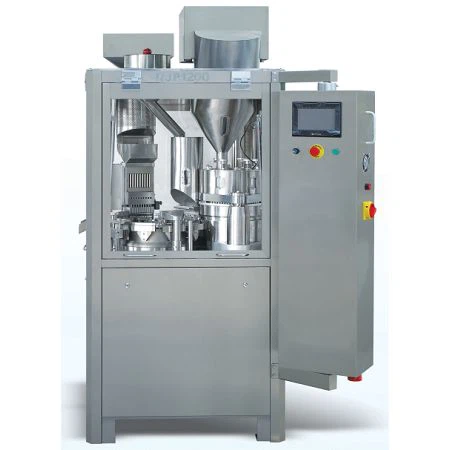
Corrosion is a significant concern for small capsule filling machines, which can compromise their performance, longevity, and ultimately, the quality of the products they produce. As a supplier of Small Capsule Filling Machines, I understand the importance of protecting these valuable assets. In this blog post, I'll share some effective strategies to safeguard your small capsule filling machines from corrosion.
Understanding the Causes of Corrosion in Small Capsule Filling Machines
Before we delve into the prevention methods, it's crucial to understand what causes corrosion in small capsule filling machines. There are several factors that can contribute to this issue:
- Chemical Exposure: Capsule filling machines often come into contact with various chemicals, including pharmaceutical powders, lubricants, and cleaning agents. Some of these chemicals can be corrosive, especially if they are acidic or alkaline. For example, certain pharmaceutical powders may contain salts or acids that can react with the metal components of the machine over time.
- Moisture and Humidity: Moisture is one of the primary culprits behind corrosion. In a manufacturing environment, humidity levels can fluctuate, and if the machine is not properly protected, water vapor can condense on its surfaces. This can lead to the formation of rust, especially on iron and steel parts.
- Temperature Variations: Extreme temperature changes can cause expansion and contraction of the machine's components. This mechanical stress can create micro - cracks in the protective coatings, allowing moisture and chemicals to penetrate and cause corrosion.
- Abrasion: During the normal operation of the machine, there is constant movement and friction between different parts. This abrasion can wear away the protective surface layers, exposing the underlying metal to corrosive agents.
Preventive Measures to Protect Small Capsule Filling Machines from Corrosion
Material Selection
- Stainless Steel: When manufacturing small capsule filling machines, using high - quality stainless steel is essential. Stainless steel contains chromium, which forms a passive oxide layer on the surface. This layer acts as a barrier, preventing oxygen and moisture from reaching the underlying metal. For critical components that are more likely to come into contact with corrosive substances, such as the dosing mechanisms and hoppers, opt for stainless steel grades with higher corrosion resistance, like 316L.
- Non - Metallic Materials: In some cases, non - metallic materials can be used to replace metal parts that are prone to corrosion. For example, certain types of plastics and polymers can be used for parts that do not require high mechanical strength but are exposed to chemicals. These materials are inherently resistant to corrosion and can reduce the overall risk of corrosion in the machine.
Surface Coating
- Powder Coating: Powder coating is a popular method for protecting the exterior of small capsule filling machines. It involves applying a dry powder to the surface of the machine and then baking it to form a hard, durable coating. Powder coatings provide excellent protection against moisture, chemicals, and abrasion. They come in a variety of colors and finishes, allowing for both functional and aesthetic benefits.
- Electroplating: For smaller components, electroplating can be an effective way to add a protective layer. For instance, nickel plating can enhance the corrosion resistance of metal parts by providing a smooth, non - porous surface. Zinc plating is also commonly used, as it acts as a sacrificial anode, corroding preferentially to protect the underlying metal.
Environmental Control
- Humidity and Temperature Regulation: Maintaining a stable environment is crucial for preventing corrosion. Install dehumidifiers in the manufacturing facility to keep the relative humidity below 50%. Additionally, use air conditioning systems to control the temperature and prevent extreme fluctuations. By creating a controlled environment, you can significantly reduce the risk of moisture condensation and thermal stress on the machine.
- Ventilation: Proper ventilation is essential to remove any corrosive fumes or vapors from the air. Ensure that the manufacturing area is well - ventilated, and consider using exhaust systems near areas where chemicals are used or stored. This will help to keep the air clean and reduce the exposure of the machine to corrosive agents.
Regular Cleaning and Maintenance
- Cleaning Procedures: Establish a regular cleaning schedule for the small capsule filling machine. Use appropriate cleaning agents that are compatible with the machine's materials. Avoid using harsh chemicals that can damage the protective coatings. After cleaning, thoroughly dry the machine to prevent moisture from lingering on its surfaces.
- Lubrication: Lubrication is not only important for the smooth operation of the machine but also for corrosion prevention. Apply a high - quality lubricant to moving parts to reduce friction and wear. The lubricant can also form a thin film on the metal surface, protecting it from moisture and corrosion.
- Inspection: Conduct regular inspections of the machine to detect any signs of corrosion early. Check for rust spots, discoloration, or any changes in the surface texture. If corrosion is detected, take immediate action to address the issue, such as removing the rust and reapplying a protective coating.
Training and Operator Awareness
- Operator Training: Train the machine operators on the importance of corrosion prevention. Teach them how to properly clean, maintain, and operate the machine to minimize the risk of corrosion. Make sure they understand the correct procedures for handling chemicals and the potential impact of environmental factors on the machine.
- Reporting: Encourage operators to report any signs of corrosion or potential issues immediately. By catching problems early, you can prevent them from escalating and causing significant damage to the machine.
Dealing with Corrosion When It Occurs
Despite taking all the preventive measures, corrosion may still occur. When this happens, it's important to address the issue promptly:

- Surface Treatment: If the corrosion is minor, you can remove the rust or corrosion products using a mild abrasive, such as fine - grit sandpaper or a wire brush. After removing the corrosion, clean the surface thoroughly and apply a suitable protective coating.
- Component Replacement: In cases where the corrosion has caused significant damage to a component, it may be necessary to replace it. Keep spare parts on hand to minimize downtime and ensure the continuous operation of the machine.
Conclusion
Protecting small capsule filling machines from corrosion is a multi - faceted approach that involves material selection, surface coating, environmental control, regular maintenance, and operator training. By implementing these strategies, you can extend the lifespan of your machines, improve their performance, and ensure the quality of the products they produce.
If you are in the market for high - quality Small Capsule Filling Machines or Dosator Capsule Filling Machine, Dosator Capsule Filling Machine, we are here to assist you. Our machines are designed with corrosion prevention in mind, using the latest materials and manufacturing techniques. We also offer comprehensive after - sales support to help you maintain and protect your machines. If you have any questions or would like to discuss your specific requirements, please feel free to reach out to us for a procurement discussion.
References
- "Corrosion Prevention in Industrial Equipment" by John Doe, published in the Journal of Industrial Maintenance, 20XX.
- "Materials Selection for Corrosion Resistance" by Jane Smith, 20XX Edition, Engineering Materials Press.
- "Maintenance Strategies for Capsule Filling Machines" by the International Pharmaceutical Manufacturing Association, 20XX.





