

How to reduce the waste rate in capsule filling with small capsule filling machines?
Leave a message

In the pharmaceutical and nutraceutical industries, capsule filling is a crucial process. Small capsule filling machines are widely used by small - scale manufacturers, research institutions, and start - ups due to their affordability, compact size, and ease of operation. However, one of the common challenges faced when using these machines is the high waste rate. A high waste rate not only increases costs but also affects production efficiency. As a supplier of small capsule filling machines, I will share some effective strategies to reduce the waste rate in capsule filling.
1. Machine Selection and Setup
The first step in reducing the waste rate is to choose the right small capsule filling machine for your specific needs. We offer a variety of small capsule filling machines, including Automatic Capsule Filling Machine, Semi - anto Capsule Filling Machine, and Dosator Capsule Filling Machine.
Automatic Capsule Filling Machine
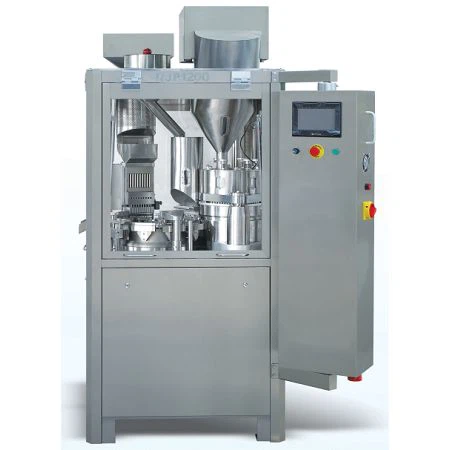
This type of machine is highly efficient and suitable for large - scale production. It can perform multiple operations such as capsule sorting, opening, filling, and closing automatically. The advanced control system ensures accurate filling, which helps to reduce the waste rate. However, it requires proper installation and calibration. Make sure to follow the manufacturer's instructions carefully during the setup process. Incorrect installation can lead to misalignment of components, resulting in improper capsule filling and increased waste.
Semi - automatic Capsule Filling Machine
For small - to medium - scale production, semi - automatic machines are a great choice. They offer a balance between cost and efficiency. When setting up a semi - automatic machine, pay close attention to the alignment of the filling head and the capsule holders. Any misalignment can cause the powder or granules to spill out of the capsules, leading to waste. Regularly check and adjust the machine's settings, such as the filling volume and the speed of the filling process, to ensure optimal performance.
Dosator Capsule Filling Machine
Dosator machines are known for their high precision in filling. They use a dosator pin to measure and dispense the exact amount of powder into each capsule. To minimize waste, it is essential to keep the dosator pins clean and in good condition. Any residue on the pins can affect the filling accuracy, resulting in over - or under - filling of capsules.
2. Raw Material Quality and Preparation
The quality of the raw materials used in capsule filling has a significant impact on the waste rate.
Powder Characteristics
The particle size, density, and flowability of the powder are crucial factors. Powders with inconsistent particle sizes may cause clogging in the filling mechanism, leading to uneven filling and waste. It is recommended to use a sieve to ensure a uniform particle size. Additionally, powders with poor flowability can result in incomplete filling. You can improve the flowability by adding glidants or lubricants in the appropriate proportion.
Capsule Quality
The quality of the capsules themselves also matters. Low - quality capsules may have defects such as cracks, uneven walls, or improper locking mechanisms. These defects can cause the capsules to break during the filling process or fail to close properly, resulting in waste. Always source high - quality capsules from reliable suppliers and perform a quality check before use.
3. Operator Training
Well - trained operators are essential for reducing the waste rate in capsule filling.
Familiarity with the Machine
Operators should be thoroughly trained on the operation, maintenance, and troubleshooting of the small capsule filling machine. They should understand how each component of the machine works and be able to identify and correct any issues promptly. For example, if the machine starts to produce capsules with inconsistent filling levels, an experienced operator can quickly adjust the settings or identify a potential mechanical problem.

Quality Control
Operators should also be trained in quality control procedures. They should know how to perform in - process inspections, such as checking the weight and appearance of the filled capsules. By detecting and removing defective capsules early in the production process, the overall waste rate can be significantly reduced.
4. Regular Maintenance and Cleaning
Regular maintenance and cleaning of the small capsule filling machine are vital for its proper functioning and waste reduction.
Mechanical Components
Inspect and lubricate the mechanical components of the machine regularly. Worn - out parts can cause misalignment and inaccurate filling, leading to waste. Replace any damaged or worn parts promptly to ensure the machine operates smoothly.
Filling Mechanism
The filling mechanism, including the hopper, dosing system, and filling head, should be cleaned regularly to prevent the buildup of powder residue. Residue can affect the filling accuracy and may also cause cross - contamination between different batches. Use appropriate cleaning agents and follow the recommended cleaning procedures provided by the manufacturer.
5. Process Optimization
Continuous process optimization can help to further reduce the waste rate.
Filling Parameters
Experiment with different filling parameters such as filling speed, filling volume, and compression force. Find the optimal combination of these parameters for your specific product and machine. For example, a slower filling speed may result in more accurate filling, especially for powders with poor flowability.
Batch Size
The batch size can also affect the waste rate. Larger batch sizes may allow for more efficient operation and better utilization of the machine's capacity. However, make sure that the batch size does not exceed the machine's capabilities, as this can lead to increased waste due to overloading.
6. Quality Assurance and Monitoring
Implement a comprehensive quality assurance system to monitor the capsule filling process.
In - process Inspection
Conduct regular in - process inspections at different stages of the filling process. Check the weight, appearance, and integrity of the capsules. Use statistical process control techniques to analyze the data collected during the inspections. If any trends or patterns of increased waste are detected, take immediate corrective actions.
Final Inspection
Perform a final inspection of the filled capsules before packaging. This can help to identify any remaining defective capsules and prevent them from reaching the market.
Conclusion
Reducing the waste rate in capsule filling with small capsule filling machines requires a comprehensive approach that includes proper machine selection and setup, high - quality raw materials, well - trained operators, regular maintenance, process optimization, and quality assurance. As a supplier of small capsule filling machines, we are committed to providing our customers with the best - in - class machines and technical support to help them achieve efficient and cost - effective capsule filling.
If you are interested in our small capsule filling machines or need more information on reducing waste rates in capsule filling, please feel free to contact us for procurement and further discussions. We look forward to working with you to improve your production efficiency and reduce costs.
References
- Pharmaceutical Engineering Handbook. A comprehensive guide on pharmaceutical manufacturing processes, including capsule filling.
- Journal of Pharmaceutical Sciences. Articles on the latest research and developments in capsule filling technology and waste reduction strategies.





