

How to store a Tropical Blister Packing Machine when not in use?
Leave a message

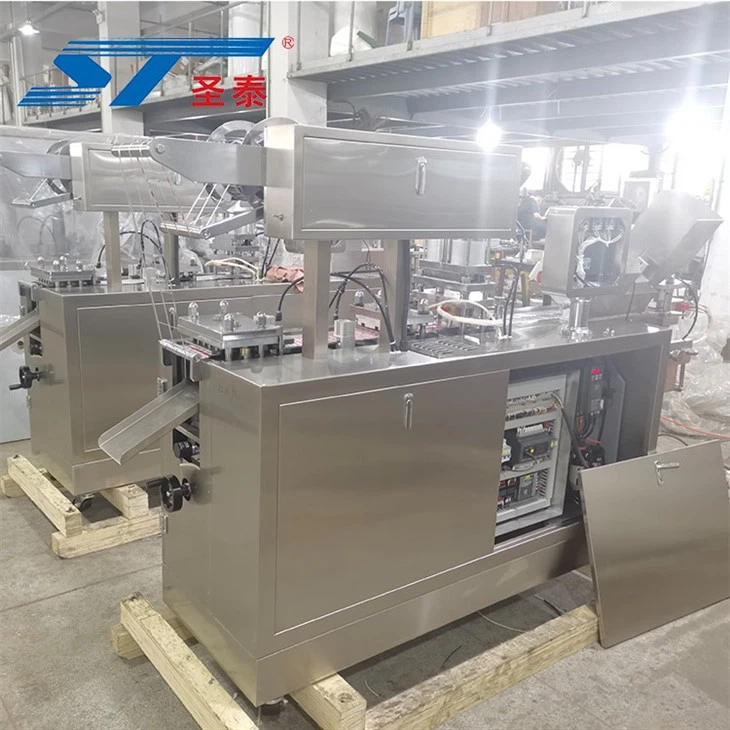
As a supplier of Tropical Blister Packing Machines, I understand the importance of proper storage when these machines are not in use. Tropical Blister Packing Machines are sophisticated pieces of equipment that require careful handling and storage to ensure their longevity and optimal performance. In this blog, I will share some valuable insights on how to store a Tropical Blister Packing Machine effectively.

1. Cleaning and Maintenance Before Storage
Before storing the Tropical Blister Packing Machine, it is crucial to perform a thorough cleaning and maintenance routine. This step helps prevent the accumulation of dirt, debris, and residues that can cause corrosion and damage over time.
- Remove Residual Materials: Start by removing any remaining tablets, capsules, or other materials from the machine. Use a vacuum cleaner or compressed air to clean out the hoppers, feeding systems, and other components where materials may be trapped.
- Clean the Blister Forming and Sealing Areas: The blister forming and sealing areas are critical parts of the machine. Use a mild detergent and a soft cloth to clean these areas, removing any plastic residues or adhesives. Make sure to dry the surfaces thoroughly to prevent rusting.
- Lubricate Moving Parts: Check the machine's moving parts, such as belts, chains, and gears, and apply the appropriate lubricant as recommended by the manufacturer. Lubrication helps reduce friction and wear, ensuring smooth operation when the machine is back in use.
- Inspect and Replace Worn Parts: Take the time to inspect all the machine's parts for signs of wear and tear. Replace any worn-out or damaged parts to prevent further issues during storage or future operation. You can refer to the machine's manual for guidance on part replacement.
2. Disconnecting and Protecting Electrical Components
Electrical components are sensitive to moisture, dust, and static electricity. Properly disconnecting and protecting these components is essential to prevent damage during storage.
- Turn Off and Disconnect Power: Before starting any maintenance or storage procedures, turn off the machine and disconnect it from the power source. This helps prevent electrical shocks and reduces the risk of damage to the electrical system.
- Remove Batteries (if applicable): If the machine has any removable batteries, such as those in control panels or sensors, remove them and store them separately in a cool, dry place. Batteries can leak or corrode over time, causing damage to the machine.
- Cover Electrical Components: Use protective covers or plastic bags to shield electrical components, such as control panels, motors, and wiring, from dust and moisture. Make sure the covers are securely fastened to prevent any debris from entering.
3. Choosing the Right Storage Location
The storage location plays a significant role in the preservation of the Tropical Blister Packing Machine. Select a suitable area that meets the following requirements:
- Dry and Well - Ventilated: Moisture is one of the biggest enemies of machinery. Choose a storage area that is dry, with a relative humidity level below 60%. Good ventilation helps prevent the buildup of moisture and reduces the risk of mold and mildew growth.
- Temperature - Controlled: Extreme temperatures can damage the machine's components. Aim for a storage temperature between 10°C and 30°C. Avoid storing the machine in areas that are subject to direct sunlight, freezing temperatures, or excessive heat.
- Clean and Dust - Free: A clean environment helps prevent dust and debris from accumulating on the machine. If possible, store the machine in a dedicated storage room or a covered area to minimize exposure to dirt.
- Secure Location: Ensure the storage location is secure to prevent theft, vandalism, or accidental damage. You may consider using locks or security systems to protect the machine.
4. Properly Packaging the Machine
Once the machine is clean, maintained, and the electrical components are protected, it's time to package it for storage.
- Use Protective Covers: Invest in high - quality protective covers specifically designed for Tropical Blister Packing Machines. These covers can protect the machine from dust, scratches, and minor impacts.
- Cushioning Materials: Place cushioning materials, such as foam pads or bubble wrap, around the machine's vulnerable parts, such as the blister forming molds and the sealing heads. This helps absorb shocks and vibrations during storage and transportation.
- Labeling and Documentation: Label the packaged machine with clear identification, including the machine model, serial number, and storage date. Keep all the relevant documentation, such as the user manual, maintenance records, and spare parts list, in a waterproof container and store it with the machine.
5. Regular Inspection During Storage
Even when the machine is in storage, it is important to conduct regular inspections to ensure its condition remains optimal.
- Monthly Checks: Plan to inspect the machine at least once a month. Check for signs of moisture, rust, or any other damage. If you notice any issues, address them immediately to prevent further deterioration.
- Functional Testing: Periodically, perform a functional test of the machine to ensure that all components are still in working order. This can help detect any potential problems early on.
6. Recommissioning the Machine
When it's time to bring the Tropical Blister Packing Machine back into operation, follow these steps to ensure a smooth transition:
- Unpack and Inspect: Carefully unpack the machine and inspect it for any damage that may have occurred during storage. Check all the components and connections to make sure they are intact.
- Reconnect Electrical Components: Reconnect the electrical components, including the power supply, control panels, and sensors. Make sure all the connections are secure.
- Perform Maintenance and Calibration: Before starting production, perform a full maintenance check and calibration of the machine. This includes lubricating the moving parts, checking the alignment of the blister forming and sealing stations, and adjusting the settings as needed.
In conclusion, proper storage of a Tropical Blister Packing Machine is essential for its long - term performance and reliability. By following these steps, you can ensure that your machine remains in excellent condition during periods of non - use.
If you are in the market for a high - quality Tropical Blister Packing Machine, we offer a wide range of options, including the Tablet Blister Packing Machine, Automatic Blister Packaging Machine, and Blister Tablet Forming Sealing and Packaging Machine. Our machines are designed to meet the highest industry standards and provide efficient and reliable packaging solutions. Contact us to discuss your specific requirements and start a procurement negotiation today.
References
- Manufacturer's manual for Tropical Blister Packing Machines
- Industry best practices for machinery storage and maintenance





