What is the moisture resistance of the blister packaging produced by a powder blister packing machine?
Leave a message

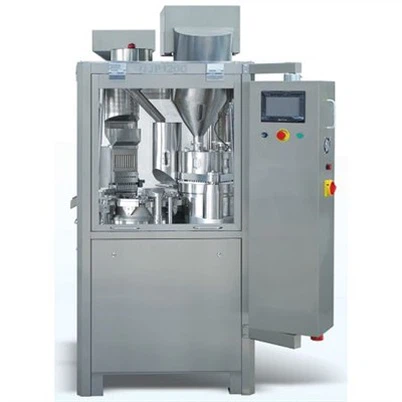
The moisture resistance of blister packaging produced by a powder blister packing machine is a crucial factor, especially when it comes to protecting powder products. As a reliable supplier of Powder Blister Packaging Machine, we understand the significance of this characteristic and its impact on the quality and shelf - life of the packed powders.
Understanding the Basics of Blister Packaging and Moisture Resistance
Blister packaging is a widely used form of packaging in various industries, including pharmaceuticals, food, and cosmetics. It consists of a cavity or pocket made from a thermoformed plastic sheet, where the powder product is placed, and a lidding material, usually a foil or a plastic film, which is sealed over the cavity. The main purpose of blister packaging is to protect the product from external factors such as moisture, oxygen, light, and physical damage.
Moisture resistance refers to the ability of the blister packaging to prevent the ingress of water vapor into the package. Moisture can have a detrimental effect on powder products. For pharmaceutical powders, it can cause chemical reactions, degradation of active ingredients, and changes in the physical properties of the powder, such as caking. In the food industry, moisture can lead to spoilage, mold growth, and a reduction in the product's sensory qualities.
Factors Affecting the Moisture Resistance of Blister Packaging
1. Material Selection
The choice of materials for the blister and lidding is of utmost importance. Commonly used plastics for blister forming include PVC (polyvinyl chloride), PVDC (polyvinylidene chloride), and PET (polyethylene terephthalate). PVC is a popular choice due to its good formability and transparency, but it has relatively poor moisture barrier properties. PVDC, on the other hand, has excellent moisture resistance and is often used as a coating on PVC or other plastics to enhance their barrier performance. PET has good mechanical properties and can also provide a reasonable moisture barrier.
For the lidding material, aluminum foil is widely used because of its excellent moisture and oxygen barrier properties. It can effectively block the entry of water vapor and protect the powder inside the blister. Some plastic films, such as metallized films, can also offer good moisture resistance by combining the properties of plastic and a thin layer of metal.
2. Sealing Quality
The quality of the seal between the blister and the lidding material is another critical factor. A proper seal ensures that there are no gaps or leaks through which moisture can enter. Our Powder Blister Packaging Machine is designed to provide a reliable and consistent seal. It uses advanced sealing technologies, such as heat sealing, to create a strong bond between the blister and the lidding, minimizing the risk of moisture ingress.
3. Thickness of the Packaging Materials
The thickness of the blister and lidding materials also affects moisture resistance. Generally, thicker materials offer better barrier properties. However, increasing the thickness also has implications for cost, formability, and the overall size and weight of the package. Therefore, a balance needs to be struck between the desired level of moisture resistance and other practical considerations.
Measuring the Moisture Resistance of Blister Packaging
There are several methods to measure the moisture resistance of blister packaging. One common method is the moisture vapor transmission rate (MVTR) test. This test measures the amount of water vapor that passes through a given area of the packaging material over a specific period of time under controlled conditions of temperature and humidity. A lower MVTR value indicates better moisture resistance.
Another approach is to conduct real - time stability studies. In these studies, powder products are packed in blister packages and stored under different environmental conditions for an extended period. The products are then analyzed at regular intervals to monitor any changes in their physical and chemical properties due to moisture exposure.
Our Powder Blister Packing Machine and Moisture Resistance
As a leading supplier of Powder Blister Packaging Machine, we are committed to providing machines that produce blister packaging with high moisture resistance. Our machines are equipped with advanced features to ensure the quality of the packaging.
For example, our machines can precisely control the temperature and pressure during the thermoforming and sealing processes. This precise control helps to create blisters with uniform thickness and a tight seal, which are essential for good moisture resistance. We also offer a range of options for material handling and forming, allowing our customers to choose the most suitable materials for their specific powder products and moisture - protection requirements.
In addition, our Pharmaceutical Blister Packing Machine is designed to meet the strict quality and regulatory standards of the pharmaceutical industry. These standards often include requirements for moisture protection to ensure the safety and efficacy of pharmaceutical products.
Applications of High - Moisture - Resistant Blister Packaging
1. Pharmaceutical Industry
In the pharmaceutical industry, high - moisture - resistant blister packaging is essential for protecting drugs in powder form. Many medications are sensitive to moisture, and even a small amount of water vapor can cause significant changes in their properties. Our blister packaging produced by our Pharmaceutical Blister Packing Machine can help pharmaceutical companies ensure the stability and quality of their products throughout their shelf - life.
2. Food Industry
For food powders such as instant coffee, powdered milk, and spices, moisture resistance is crucial to maintain their flavor, aroma, and nutritional value. Our blister packaging can protect these products from moisture - induced spoilage and extend their shelf - life, reducing food waste and ensuring customer satisfaction.
3. Cosmetics Industry
In the cosmetics industry, powder products like face powders and eyeshadows need to be protected from moisture to prevent clumping and maintain their smooth texture. Our blister packaging solutions can provide the necessary moisture protection for these cosmetic powders.


Conclusion
The moisture resistance of blister packaging produced by a powder blister packing machine is a vital characteristic that can significantly impact the quality and shelf - life of powder products. As a professional supplier of Blister Packing Machine - professional, we are dedicated to providing high - quality machines that can produce blister packaging with excellent moisture - resistant properties.
If you are in need of a reliable powder blister packing machine for your business, whether it's in the pharmaceutical, food, or cosmetics industry, we encourage you to get in touch with us. Our team of experts can provide you with detailed information about our machines, help you choose the most suitable solution for your specific needs, and guide you through the procurement process.
References
- Roberts, R. J., & Harrington, J. M. (2008). Packaging materials and processes. In Handbook of pharmaceutical manufacturing formulations: Unit operations (Vol. 1, pp. 1 - 40). Informa Healthcare.
- Mathlouthi, M., & Rogeaux, P. (2003). Food packaging: Physical and chemical aspects. CRC Press.
- Brody, A. L., & Marsh, K. (2012). The Wiley encyclopedia of packaging technology. John Wiley & Sons.