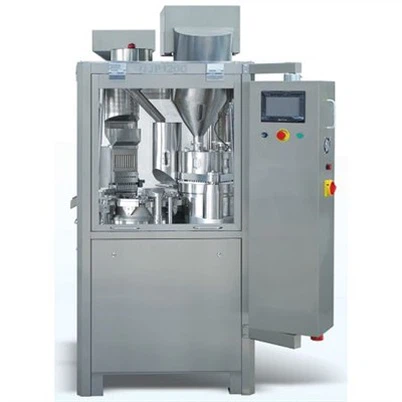
What is the output accuracy of a Blister Cartoner Production Line?
Leave a message

As a trusted supplier of Blister Cartoner Production Lines, I often encounter inquiries about the output accuracy of these advanced systems. Output accuracy is a critical factor in the packaging industry, especially when it comes to pharmaceutical, food, and consumer goods products. In this blog, I will delve into the concept of output accuracy in a Blister Cartoner Production Line, exploring the factors that influence it, how it is measured, and why it matters.
Understanding Output Accuracy in a Blister Cartoner Production Line
Output accuracy refers to the degree to which the actual output of a Blister Cartoner Production Line matches the expected or desired output. This includes factors such as the correct number of blister packs per carton, the proper placement of blister packs within the carton, and the accurate printing of labels and instructions on the cartons. A high level of output accuracy is essential for ensuring product quality, compliance with regulatory requirements, and customer satisfaction.
Factors Influencing Output Accuracy
1. Machine Design and Build Quality
The design and build quality of the Blister Cartoner Production Line play a significant role in determining output accuracy. A well-designed machine with high-quality components is more likely to operate smoothly and consistently, reducing the risk of errors. For example, precision-engineered conveyors and robotic arms can ensure accurate positioning of blister packs and cartons, while reliable sensors and controls can detect and correct any deviations in the production process.
2. Product Characteristics
The characteristics of the products being packaged, such as the size, shape, and weight of the blister packs and cartons, can also affect output accuracy. Irregularly shaped or fragile products may require special handling techniques or custom tooling to ensure accurate placement and packaging. Additionally, the physical properties of the packaging materials, such as the stiffness and flexibility of the carton board, can impact the performance of the machine and the accuracy of the output.
3. Operator Training and Skill
The skills and experience of the operators running the Blister Cartoner Production Line are crucial for maintaining high output accuracy. Proper training ensures that operators understand how to operate the machine correctly, troubleshoot common issues, and perform routine maintenance tasks. Skilled operators can also make real-time adjustments to the production process to compensate for any variations in product quality or machine performance, minimizing the risk of errors.
4. Environmental Conditions
The environmental conditions in which the Blister Cartoner Production Line operates can have a significant impact on output accuracy. Factors such as temperature, humidity, and dust levels can affect the performance of the machine and the quality of the packaging materials. For example, high humidity can cause the carton board to become soft and prone to damage, while dust particles can clog sensors and other critical components, leading to inaccurate readings and production errors.
Measuring Output Accuracy
Output accuracy can be measured using a variety of methods, depending on the specific requirements of the production process. Some common metrics used to evaluate output accuracy include:
1. Product Count Accuracy
This metric measures the percentage of cartons that contain the correct number of blister packs. It is calculated by dividing the number of cartons with the correct product count by the total number of cartons produced and multiplying by 100. A high product count accuracy indicates that the machine is accurately counting and placing the blister packs in the cartons.
2. Placement Accuracy
Placement accuracy refers to the degree to which the blister packs are correctly positioned within the cartons. It can be measured using visual inspection or automated imaging systems to detect any misalignments or deviations from the desired placement. High placement accuracy ensures that the products are presented neatly and securely in the cartons, enhancing the overall appearance and quality of the packaging.

3. Labeling and Printing Accuracy
Labeling and printing accuracy are critical for ensuring that the cartons contain the correct product information, such as the product name, dosage, and expiration date. This metric can be measured by checking the legibility, alignment, and content accuracy of the labels and printed text on the cartons. Any errors in labeling or printing can lead to compliance issues and customer confusion.
Importance of Output Accuracy
1. Product Quality
High output accuracy is essential for maintaining product quality. Accurate packaging ensures that the products are protected from damage, contamination, and tampering during storage and transportation. It also helps to preserve the integrity of the product, ensuring that it reaches the end-user in optimal condition.
2. Regulatory Compliance
In many industries, such as pharmaceuticals and food, strict regulatory requirements govern the packaging and labeling of products. Output accuracy is crucial for ensuring compliance with these regulations, as any errors in product count, placement, or labeling can result in serious legal consequences. By maintaining high output accuracy, manufacturers can avoid costly fines and recalls, protecting their reputation and bottom line.
3. Customer Satisfaction
Customers expect products to be packaged accurately and professionally. A high level of output accuracy enhances the overall customer experience, as it ensures that the products are easy to use, store, and transport. It also helps to build trust and loyalty with customers, leading to repeat business and positive word-of-mouth recommendations.
Our Blister Cartoner Production Lines and Output Accuracy
At our company, we understand the importance of output accuracy in the packaging industry. That's why we design and manufacture our Blister Cartoner Production Lines with the highest standards of quality and precision. Our machines are built using the latest technology and high-quality components, ensuring reliable and consistent performance.
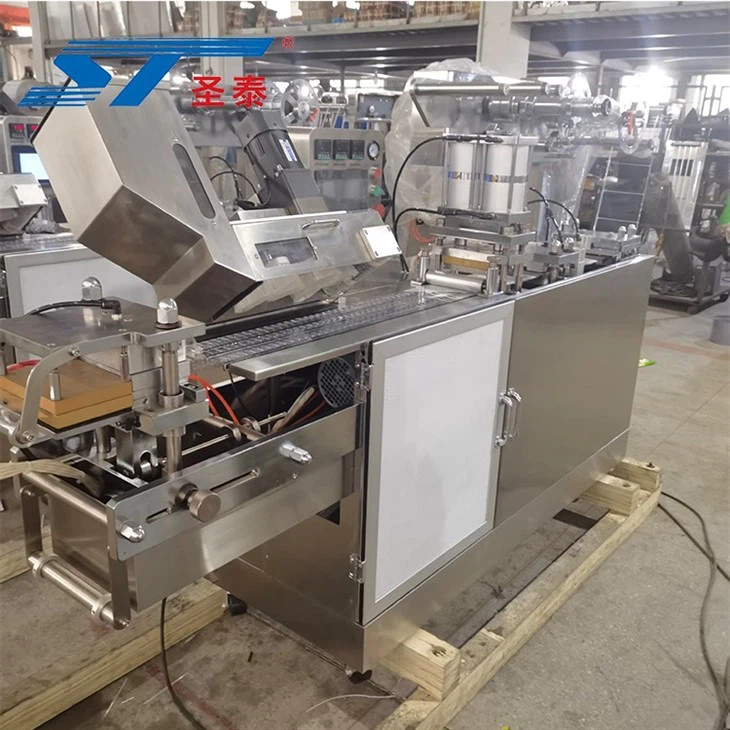
We offer a range of Blister Cartoner Production Lines to meet the diverse needs of our customers, including Automatic Blister Packaging Machine, ALU ALU Blister Packing Machine, and Tablet Blister Packing Machine. These machines are designed to handle a wide variety of products and packaging materials, providing accurate and efficient packaging solutions.
In addition to our high-quality machines, we also provide comprehensive training and support to our customers. Our team of experienced technicians can assist with installation, commissioning, and maintenance of the Blister Cartoner Production Lines, ensuring that they operate at peak performance. We also offer ongoing technical support and troubleshooting services to help our customers resolve any issues that may arise.
Conclusion
Output accuracy is a critical factor in the performance of a Blister Cartoner Production Line. By understanding the factors that influence output accuracy, measuring it effectively, and implementing strategies to improve it, manufacturers can ensure high product quality, regulatory compliance, and customer satisfaction. As a leading supplier of Blister Cartoner Production Lines, we are committed to providing our customers with the highest level of output accuracy and reliability. If you are interested in learning more about our Blister Cartoner Production Lines or discussing your specific packaging needs, please do not hesitate to contact us. We look forward to the opportunity to work with you and help you achieve your packaging goals.
References
- Packaging Machinery Manufacturers Institute (PMMI). (2023). Best Practices for Ensuring Output Accuracy in Packaging Lines.
- International Society for Pharmaceutical Engineering (ISPE). (2022). Good Manufacturing Practice (GMP) Guidelines for Packaging Pharmaceutical Products.
- Food and Drug Administration (FDA). (2021). Regulations on Packaging and Labeling of Food and Drug Products.