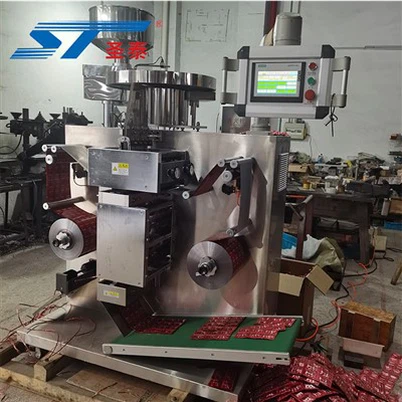
What kind of training is needed to operate a blister packing machine?
Leave a message

As a supplier of Blister Packing Machines, I've witnessed firsthand the significance of proper training when it comes to operating these sophisticated pieces of equipment. Blister packing machines are widely used in various industries, including pharmaceuticals, food, and consumer goods, to package products securely and efficiently. In this blog, I'll delve into the types of training required to operate a blister packing machine effectively.
Theoretical Training
The first step in training operators for blister packing machines is theoretical knowledge. This type of training provides a solid foundation by covering the basic principles and components of the machine.
Machine Structure and Components
Operators need to understand the different parts of the blister packing machine. This includes the forming station, where the plastic film is heated and molded into blisters; the filling station, where products are placed into the blisters; the sealing station, which seals the blisters with a lidding foil; and the cutting station, which separates the individual blister packs. A detailed understanding of these components helps operators troubleshoot issues and perform routine maintenance.
Operating Principles
Knowledge of the operating principles is crucial. For example, operators should understand how the temperature and pressure settings at the forming and sealing stations affect the quality of the blister packs. They also need to know about the speed control of the machine, which impacts the production rate. Theoretical training often includes lectures, presentations, and technical manuals to convey this information.
Safety Regulations
Safety is of utmost importance when operating a blister packing machine. Operators must be trained on safety regulations to prevent accidents. This includes wearing appropriate personal protective equipment (PPE), such as gloves and safety glasses. They also need to learn about the emergency stop buttons and other safety features of the machine. Additionally, operators should be aware of the potential hazards associated with the machine, such as hot surfaces and moving parts.
Practical Training
After theoretical training, practical hands - on experience is essential. Practical training allows operators to apply the knowledge they've gained in a real - world setting.
Machine Setup
Operators are trained on how to set up the blister packing machine for different products. This involves adjusting the forming molds according to the size and shape of the products, setting the correct filling parameters, and aligning the lidding foil. They also need to learn how to load the plastic film and lidding foil onto the machine properly. Practical training sessions often start with simple products and gradually progress to more complex ones.
Operation and Monitoring
During practical training, operators learn how to start, stop, and monitor the machine during operation. They need to keep an eye on the quality of the blister packs being produced, checking for any defects such as improper sealing, missing products, or damaged blisters. If a defect is detected, operators should know how to make the necessary adjustments to the machine settings to correct the issue.
Maintenance and Troubleshooting
Regular maintenance is key to the smooth operation of a blister packing machine. Operators are trained on basic maintenance tasks, such as cleaning the machine, lubricating moving parts, and replacing worn - out components. They also learn how to troubleshoot common problems, such as film jams, sealing failures, and electrical issues. By being able to perform these tasks, operators can minimize downtime and keep the machine running efficiently.
Product - Specific Training
Depending on the industry and the products being packaged, additional product - specific training may be required.


Pharmaceutical Industry
In the pharmaceutical industry, blister packing machines are used to package pills, tablets, and capsules. Operators need to be trained on strict quality control measures to ensure the safety and efficacy of the pharmaceutical products. This includes understanding the requirements for product traceability, such as printing batch numbers and expiration dates on the blister packs. They also need to be aware of the cleanroom requirements and how to maintain a sterile environment during the packaging process. For more information on pill blister packing machines, you can visit Pill Blister Packing Machine.
Food Industry
When packaging food products, operators need to be trained on food safety regulations. This includes understanding the requirements for using food - grade materials for the plastic film and lidding foil. They also need to know how to prevent cross - contamination between different food products. Additionally, operators may need to learn about the specific packaging requirements for different types of food, such as the need for modified atmosphere packaging to extend the shelf life of perishable products.
Consumer Goods Industry
In the consumer goods industry, blister packing machines are used to package a wide range of products, from small electronic devices to toys. Operators may need to be trained on how to handle delicate products without causing damage during the packaging process. They also need to understand the marketing requirements for the blister packs, such as the need for attractive graphics and clear product visibility.
Advanced Training
For more experienced operators or those in charge of managing the production line, advanced training may be beneficial.
Process Optimization
Advanced training focuses on process optimization to improve the efficiency and quality of the blister packing process. Operators learn how to analyze production data, such as production rates, defect rates, and energy consumption. Based on this analysis, they can make adjustments to the machine settings and production processes to increase productivity and reduce costs.
New Technology and Innovations
The blister packing machine industry is constantly evolving, with new technologies and innovations being introduced regularly. Advanced training keeps operators updated on these developments, such as the use of robotics and automation in blister packing machines. By being aware of the latest trends, operators can make informed decisions about upgrading the equipment and improving the overall production process.
Importance of Continuous Training
The blister packing machine industry is dynamic, with new products, technologies, and regulations emerging all the time. Therefore, continuous training is essential for operators. Regular refresher courses can help operators stay up - to - date with the latest best practices and ensure that they are operating the machines safely and efficiently.
Conclusion
Operating a blister packing machine requires a combination of theoretical, practical, product - specific, and advanced training. By providing comprehensive training to operators, we can ensure that our blister packing machines are used to their full potential, producing high - quality blister packs efficiently and safely. If you're interested in learning more about our blister packing machines or need further information on training programs, we invite you to contact us for a detailed discussion and potential procurement. Our team of experts is ready to assist you in finding the best solutions for your packaging needs.
References
- "Blister Packaging Technology Handbook"
- Industry standards and guidelines for blister packing machines
- Technical manuals provided by blister packing machine manufacturers