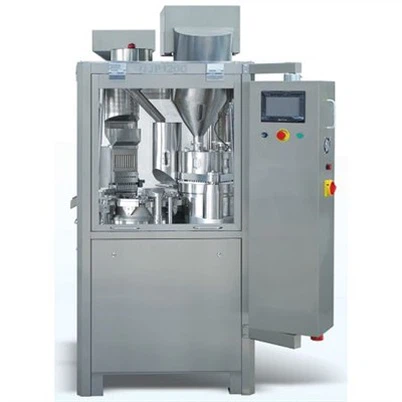
What materials can the ALU ALU Blister Packing Machine use for blister packing?
Leave a message

Hey there! As a supplier of ALU ALU Blister Packing Machines, I often get asked about the materials that can be used with these machines for blister packing. Well, I'm here to break it down for you and give you all the deets.
Aluminum Foil
One of the most common materials used in ALU ALU blister packing is aluminum foil. Aluminum foil offers excellent barrier properties against moisture, oxygen, light, and other environmental factors. This makes it ideal for protecting sensitive products such as pharmaceuticals, electronic components, and high - value consumer goods.
The thickness of the aluminum foil can vary depending on the specific requirements of the product being packed. Thicker foils provide more durability and better protection, but they may also increase the cost. Generally, aluminum foils used in ALU ALU blister packing range from 20 to 60 microns in thickness.
Aluminum foil is also very flexible, which allows it to be easily formed into the desired blister shape. It can be heat - sealed to another layer of material to create a secure and airtight package. When using our Aluminum - plastic - aluminum Blister Packaging Machine, the aluminum foil is precisely fed into the machine, formed into blisters, filled with the product, and then sealed to ensure maximum protection.
PVC (Polyvinyl Chloride)
PVC is another popular material for blister packing. It is a thermoplastic polymer that can be easily molded into different shapes when heated. PVC offers good transparency, which allows consumers to see the product inside the blister. This is especially important for products where visual inspection is necessary, such as pills or small consumer items.
In ALU ALU blister packing, PVC can be used as an inner layer in combination with aluminum foil. The PVC layer provides a smooth surface for product placement and can also act as a cushion to protect the product. The thickness of PVC used in blister packing typically ranges from 150 to 300 microns.
Our machines are designed to handle PVC materials efficiently. The Pvc - paper Blister Packaging Machine can precisely form PVC into blisters, ensuring a consistent and high - quality shape. The PVC layer can then be sealed with the aluminum foil layer to create a reliable package.
PVDC (Polyvinylidene Chloride)
PVDC is a high - barrier plastic material that offers excellent resistance to moisture, oxygen, and other gases. It has a much higher barrier performance compared to PVC. In ALU ALU blister packing, PVDC can be used as a coating on the PVC layer or as a separate layer in combination with aluminum foil.
PVDC is often used for products that require long - term storage and high - level protection, such as some pharmaceutical products. It can significantly extend the shelf life of the product by preventing the ingress of moisture and oxygen, which can cause product degradation.
When using PVDC in our ALU ALU blister packing machines, the material is carefully integrated into the packaging process. The machine ensures that the PVDC layer is properly sealed and bonded to the other layers to create a robust and protective package.
Paperboard
Paperboard can also be used in blister packing, especially in combination with other materials like PVC or aluminum foil. Paperboard provides a more rigid structure to the blister pack, which can be beneficial for products that need extra support during handling and transportation.
It can also be used for branding and labeling purposes. The outer surface of the paperboard can be printed with product information, logos, and other marketing messages. In some cases, a paperboard backing can be heat - sealed to the blister formed by PVC or aluminum foil.


Our Pill Blister Packaging Machine can handle paperboard materials in the blister packing process. The machine precisely positions and seals the paperboard to the blister, creating an attractive and functional package.
PE (Polyethylene)
PE is a widely used thermoplastic polymer that is known for its flexibility and chemical resistance. In blister packing, PE can be used as a sealing layer or as an inner layer in combination with other materials.
PE offers good moisture resistance and can be heat - sealed easily. It is often used for products that are sensitive to moisture but do not require the high - barrier properties of aluminum foil or PVDC. For example, some food products or small consumer items can be packed using PE in combination with other materials in our ALU ALU blister packing machines.
The choice of material for blister packing depends on several factors, including the nature of the product, its shelf - life requirements, and the marketing and branding needs. Our ALU ALU blister packing machines are designed to handle a wide range of materials, providing you with the flexibility to choose the best option for your product.
If you're in the market for a reliable ALU ALU blister packing machine or have questions about the materials suitable for your specific product, don't hesitate to reach out. We're here to help you find the perfect solution for your blister packing needs. Whether you need to pack pills, small consumer items, or high - value electronics, our machines and expertise can ensure that your products are well - protected and attractively packaged.
Let's start a conversation about your blister packing requirements and see how we can work together to achieve the best results.
References
- Packaging Materials Handbook, Third Edition, Edited by Kenneth G. Libby
- Plastics in Packaging: Technology, Processing, Applications, and Regulations, by Shashi C. Srivastava