

Can a Dosator Capsule Filling Machine be used for probiotic capsule filling?
Leave a message

Can a Dosator Capsule Filling Machine be used for probiotic capsule filling?
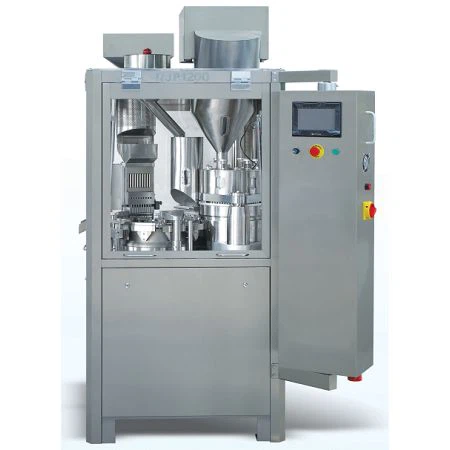
As a supplier of Dosator Capsule Filling Machines, I often get asked whether our machines can be used for filling probiotic capsules. Probiotics have gained significant popularity in recent years due to their numerous health benefits, including improving gut health, boosting the immune system, and aiding in digestion. With the increasing demand for probiotic supplements, it's crucial to understand if our Dosator Capsule Filling Machine is suitable for this specific application.
Understanding Probiotics and Their Filling Requirements
Probiotics are live microorganisms, mainly bacteria and yeasts, that provide health benefits when consumed in adequate amounts. These microorganisms are sensitive to various factors such as heat, moisture, oxygen, and light. Therefore, when filling probiotic capsules, it's essential to ensure that the filling process maintains the viability and stability of these live organisms.
The filling process should minimize exposure to environmental factors that could harm the probiotics. This includes maintaining a controlled temperature, reducing moisture content, and limiting oxygen exposure. Additionally, the filling accuracy is crucial to ensure that each capsule contains the correct dosage of probiotics, which is essential for their effectiveness.
Features of Dosator Capsule Filling Machines
Dosator Capsule Filling Machines are known for their high precision and reliability in filling capsules. These machines use a dosator principle, where a piston-like device (dosator) is used to measure and dispense the powder into the capsules. Here are some features of Dosator Capsule Filling Machines that make them potentially suitable for probiotic capsule filling:
Precision Filling
Dosator Capsule Filling Machines can achieve high filling accuracy, which is crucial for probiotic capsules. The dosator system allows for precise measurement of the powder, ensuring that each capsule contains the exact amount of probiotics as specified. This is important because the effectiveness of probiotic supplements depends on the correct dosage.
Hygienic Design
Most Dosator Capsule Filling Machines are designed with hygiene in mind. They are made of materials that are easy to clean and sanitize, which is essential for maintaining the quality and safety of probiotic capsules. The machines can be equipped with features such as stainless steel construction, easy-to-remove parts, and automatic cleaning systems to prevent cross-contamination and ensure a clean production environment.
Flexibility
Dosator Capsule Filling Machines offer flexibility in terms of capsule size and filling materials. They can handle a wide range of capsule sizes, from small 000 capsules to larger sizes, making them suitable for different types of probiotic products. Additionally, these machines can fill various types of powders, including probiotic powders, which may have different physical properties.
Low Oxygen Exposure
Some Dosator Capsule Filling Machines are designed to minimize oxygen exposure during the filling process. This is important for probiotics, as oxygen can reduce the viability of the live microorganisms. The machines can be equipped with features such as nitrogen purging systems to create an oxygen-free environment during filling, which helps to preserve the quality of the probiotics.
Challenges of Using Dosator Capsule Filling Machines for Probiotic Capsule Filling
While Dosator Capsule Filling Machines have many advantages, there are also some challenges associated with using them for probiotic capsule filling:
Heat Generation
The filling process in Dosator Capsule Filling Machines can generate heat, which can be harmful to probiotics. The friction between the dosator and the powder, as well as the mechanical movement of the machine, can cause an increase in temperature. To overcome this challenge, the machine may need to be equipped with cooling systems or operated at a lower speed to maintain a suitable temperature for the probiotics.
Moisture Absorption
Probiotic powders are often hygroscopic, meaning they can absorb moisture from the environment. The filling process in Dosator Capsule Filling Machines can expose the powder to air, which may contain moisture. To prevent moisture absorption, the machine should be operated in a controlled environment with low humidity. Additionally, the powder can be stored in a dry place and pre-conditioned before filling to reduce its moisture content.
Compatibility with Probiotic Powders
Not all probiotic powders are suitable for filling with Dosator Capsule Filling Machines. Some probiotic powders may have poor flow properties, which can affect the filling accuracy and efficiency of the machine. In such cases, the powder may need to be modified or blended with other excipients to improve its flowability.
Solutions to Overcome the Challenges
To overcome the challenges associated with using Dosator Capsule Filling Machines for probiotic capsule filling, the following solutions can be implemented:
Temperature Control
Installing cooling systems, such as water-cooled jackets or air-cooled fans, can help to reduce the heat generated during the filling process. Additionally, operating the machine at a lower speed can also minimize heat generation. Monitoring the temperature during the filling process and adjusting the cooling system accordingly can ensure that the probiotics are not exposed to excessive heat.
Moisture Control
Maintaining a low humidity environment in the production area is crucial for preventing moisture absorption by the probiotic powder. This can be achieved by using dehumidifiers or air conditioning systems. Additionally, storing the powder in sealed containers with desiccants can help to keep it dry. Pre-conditioning the powder before filling can also reduce its moisture content.
Powder Modification
If the probiotic powder has poor flow properties, it can be modified by adding flow agents or lubricants. These additives can improve the flowability of the powder and ensure accurate filling. However, it's important to choose additives that are compatible with the probiotics and do not affect their viability.
Conclusion
In conclusion, a Dosator Capsule Filling Machine can be used for probiotic capsule filling, but it requires careful consideration of the specific requirements of probiotics. The machine's precision filling, hygienic design, flexibility, and low oxygen exposure features make it a suitable option for filling probiotic capsules. However, challenges such as heat generation, moisture absorption, and powder compatibility need to be addressed to ensure the quality and effectiveness of the probiotic products.
If you are interested in using our Dosator Capsule Filling Machines for probiotic capsule filling, we can provide customized solutions to meet your specific needs. Our team of experts can help you choose the right machine, implement the necessary modifications, and provide technical support to ensure a successful production process. Contact us to discuss your requirements and explore how our Automatic Capsule Filling Machine can benefit your probiotic capsule production.
References
- Sanders, M. E., et al. "An update on the use and investigation of probiotics in health and disease." Gut Microbes 9.2 (2018): 198-212.
- Shah, N. P. "Probiotic bacteria: selective enumeration and survival in dairy foods." Journal of dairy science 87.6 (2004): 1359-1375.
- Rastall, R. A., and G. R. Gibson. "Probiotics and prebiotics: are they functional foods?" British Journal of Nutrition 91.3 (2004): 377-381.


