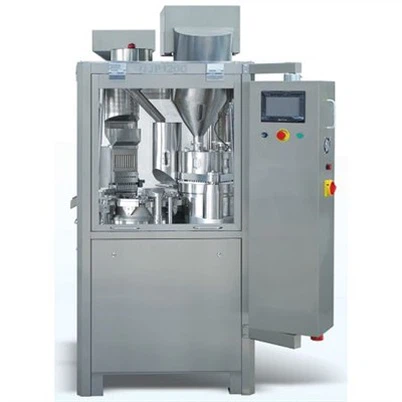
Can small capsule filling machines be used for both powder and pellet filling?
Leave a message

Hey there! As a supplier of small capsule filling machines, I often get asked this question: Can small capsule filling machines be used for both powder and pellet filling? Well, let's dive right into it and find out.
First off, let's understand the basics of small capsule filling machines. These machines are designed to fill capsules with various substances efficiently and accurately. They come in different types, such as Fully Automatic Capsule Filling Machine, Dosator Capsule Filling Machine, and Semi-anto Capsule Filling Machine. Each type has its own features and capabilities, but the big question is whether they can handle both powder and pellet filling.
Powder Filling with Small Capsule Filling Machines
Powder filling is one of the most common applications for capsule filling machines. Small capsule filling machines are generally well - suited for this task. The process usually involves metering a specific amount of powder and then depositing it into the capsule body.
Most small capsule filling machines use a dosing mechanism to ensure accurate powder filling. For example, some machines use a volumetric dosing system. This system measures the volume of powder that will be filled into each capsule. It's a relatively simple and cost - effective way to fill capsules with powder. However, it may not be as accurate as other methods, especially when dealing with powders of different densities.
Another dosing method is the gravimetric dosing system. This system measures the weight of the powder instead of its volume. It provides a higher level of accuracy, which is crucial when you need precise dosages, like in the pharmaceutical industry. Small capsule filling machines equipped with gravimetric dosing systems can handle a wide range of powders, from fine and free - flowing powders to sticky and cohesive ones.
Pellet Filling with Small Capsule Filling Machines
When it comes to pellet filling, small capsule filling machines can also do the job, but there are some challenges. Pellets are usually larger and more irregular in shape compared to powder particles. This means that the dosing mechanism needs to be adjusted accordingly.
For pellet filling, the machine needs to be able to pick up and place the pellets into the capsules one by one or in groups. Some small capsule filling machines are equipped with special pellet - handling mechanisms. These mechanisms can separate the pellets and ensure that the correct number of pellets is filled into each capsule.
However, pellet filling requires a different set of skills and settings compared to powder filling. For example, the size and shape of the pellets can affect the filling process. If the pellets are too large or too irregular, they may get stuck in the filling mechanism, leading to inaccurate dosing or machine jams.

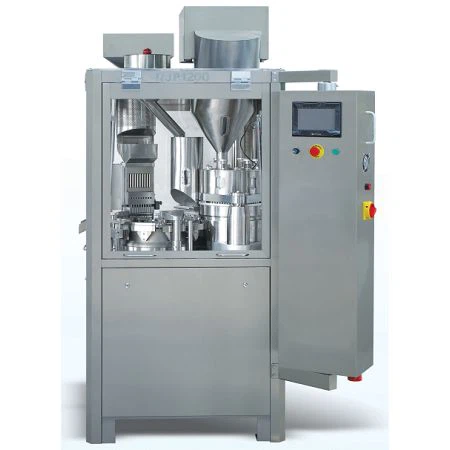
Can They Do Both?
The answer is yes, many small capsule filling machines can be used for both powder and pellet filling. But there are some things to consider.
Adaptability of the Machine
Some machines are more adaptable than others. For example, a fully automatic capsule filling machine is often more versatile. It can be easily reconfigured to switch between powder and pellet filling. These machines usually have modular components that can be changed or adjusted depending on the filling material.
On the other hand, semi - automatic machines may require more manual adjustments. You may need to change the dosing mechanism, the filling nozzles, or other parts of the machine to switch between powder and pellet filling. This can be time - consuming and may require some technical knowledge.
Material Characteristics
The characteristics of the powder and pellets also play a role. If the powder is very fine and the pellets are large and hard, the machine may need to be adjusted more significantly. For instance, a powder that is highly cohesive may require a different filling speed and pressure compared to hard pellets.
Production Volume
Your production volume can also influence whether a machine can handle both powder and pellet filling effectively. If you have a high - volume production, you may need a machine that can switch between filling materials quickly and efficiently. A fully automatic machine is often a better choice in this case, as it can handle large - scale production and make the transition between powder and pellet filling with minimal downtime.
Tips for Using Small Capsule Filling Machines for Both Powder and Pellet Filling
- Cleaning and Maintenance: Make sure to clean the machine thoroughly between filling different materials. Residual powder or pellets can contaminate the next batch and affect the quality of the filled capsules.
- Testing: Before starting a large - scale production run, it's a good idea to do some test runs with both powder and pellets. This will help you optimize the machine settings and ensure accurate dosing.
- Operator Training: Train your operators to understand the differences between powder and pellet filling. They should know how to adjust the machine settings and troubleshoot any issues that may arise.
Conclusion
In conclusion, small capsule filling machines can be used for both powder and pellet filling. Whether you choose a Fully Automatic Capsule Filling Machine, a Dosator Capsule Filling Machine, or a Semi-anto Capsule Filling Machine, it's important to consider the machine's adaptability, the characteristics of the materials, and your production volume.
If you're in the market for a small capsule filling machine that can handle both powder and pellet filling, we're here to help. Our range of machines is designed to meet the diverse needs of our customers. Whether you're a small - scale producer or a large - scale manufacturer, we have the right solution for you. Contact us to discuss your requirements and start a procurement negotiation. We're looking forward to working with you!
References
- Pharmaceutical Capsule Filling Technology Handbook
- Journal of Capsule Manufacturing and Filling