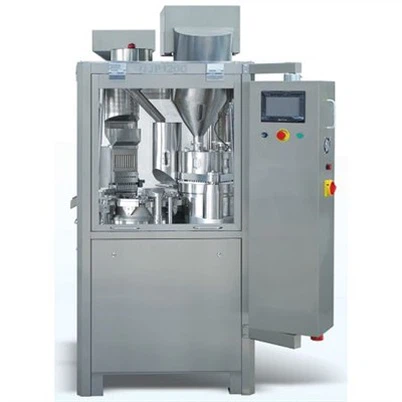
Does a Manual Blister Packing Machine have a temperature control function?
Leave a message

Does a Manual Blister Packing Machine have a temperature control function?
As a supplier of manual blister packing machines, I often encounter questions from customers about the various features of these machines, and one frequently asked question is whether a manual blister packing machine has a temperature control function. In this blog post, I'll delve into this topic to provide you with a comprehensive understanding.
First, let's understand what a manual blister packing machine is. A manual blister packing machine is a device used to package products in blister packs. It typically consists of several components, including a heating system, a forming station, a sealing station, and a cutting station. Manual blister packing machines are widely used in various industries, such as pharmaceuticals, food, electronics, and cosmetics, due to their relatively low cost, ease of operation, and flexibility in handling different product sizes and shapes.
Now, let's address the main question: Does a manual blister packing machine have a temperature control function? The answer is yes, many modern manual blister packing machines are equipped with a temperature control function. Temperature control is a crucial aspect of the blister packing process, as it directly affects the quality and integrity of the blister packs.
In the blister packing process, the heating system is responsible for softening the plastic film so that it can be formed into the desired blister shape. If the temperature is too low, the plastic film may not soften enough, resulting in incomplete blister formation or poor sealing. On the other hand, if the temperature is too high, the plastic film may overheat, causing it to melt, deform, or even burn. This can lead to damaged products, wasted materials, and reduced production efficiency.
A temperature control function allows operators to set and maintain the optimal temperature for the blister packing process. This ensures consistent and high-quality blister packs, reduces the risk of product damage, and improves overall production efficiency. Most manual blister packing machines with temperature control functions use a thermostat or a temperature sensor to monitor and adjust the temperature. The operator can simply set the desired temperature on the control panel, and the machine will automatically maintain that temperature throughout the packing process.
There are several benefits of having a temperature control function in a manual blister packing machine. Firstly, it improves the quality of the blister packs. By maintaining a consistent temperature, the machine can produce blister packs with uniform thickness, smooth surfaces, and strong seals. This not only enhances the appearance of the products but also ensures their protection and preservation.
Secondly, temperature control reduces the waste of materials. When the temperature is properly controlled, the plastic film is used more efficiently, as there is less chance of it being damaged or wasted due to overheating or underheating. This can result in significant cost savings for the manufacturer.
Thirdly, it increases the production efficiency. With a temperature control function, the machine can operate at a more stable and optimal level, reducing the need for frequent adjustments and downtime. This allows for faster production speeds and higher output.
However, it's important to note that not all manual blister packing machines have a temperature control function. Some older or more basic models may rely on manual temperature adjustment, which requires the operator to monitor the temperature manually and make adjustments as needed. While this method can be effective, it is more time-consuming and less accurate than using an automatic temperature control system.
When choosing a manual blister packing machine, it's essential to consider whether a temperature control function is necessary for your specific application. If you are packing products that are sensitive to temperature or require a high level of precision, a machine with a temperature control function is highly recommended. On the other hand, if you are packing less sensitive products or have a limited budget, a basic machine without a temperature control function may still be suitable.
In addition to the temperature control function, there are other factors to consider when selecting a manual blister packing machine. These include the size and shape of the products you need to pack, the production volume, the type of plastic film to be used, and the level of automation required. At our company, we offer a wide range of manual blister packing machines to meet the diverse needs of our customers. For example, we have the Flat Plate Automatic Blister Packing Machine, which is suitable for packing various small products with high precision. We also have the Blister Packing Machine for Ampoule, specifically designed for packing ampoules and vials. And our Tropical Blister Packing Machine is ideal for packing products in tropical environments.
In conclusion, a manual blister packing machine can have a temperature control function, which offers many benefits in terms of product quality, material savings, and production efficiency. When choosing a machine, it's important to carefully evaluate your specific requirements and consider whether a temperature control function is necessary. If you have any questions or need further information about our manual blister packing machines, please don't hesitate to contact us. We are always ready to assist you in finding the most suitable solution for your packaging needs.


References
- Packaging Machinery Manufacturers Institute (PMMI). (2023). Blister Packaging Technology Handbook.
- European Federation of Pharmaceutical Industries and Associations (EFPIA). (2022). Good Manufacturing Practice for Blister Packaging in the Pharmaceutical Industry.