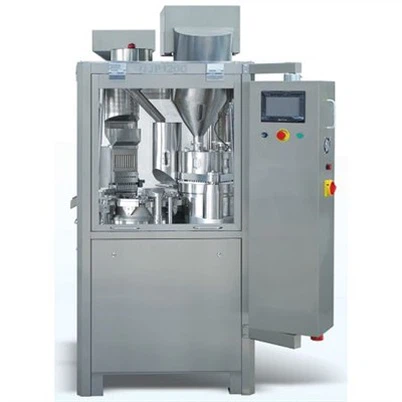
How does a Capsule Strip Packing Machine handle misaligned capsules?
Leave a message

Hey there! As a supplier of Capsule Strip Packing Machines, I often get asked about how these nifty machines handle misaligned capsules. It's a crucial question, especially for those in the pharmaceutical and nutraceutical industries where precision and efficiency are key. So, let's dive right in and explore this topic.
Understanding the Basics of Capsule Strip Packing Machines
First off, let's quickly recap what a Capsule Strip Packing Machine does. These machines are designed to package capsules in strips, which is a popular packaging format due to its convenience and protection. The process typically involves feeding the capsules into a forming station where they're placed in cavities on a plastic film. Then, a top layer of film is sealed over the capsules, creating individual segments for each one.
But what happens when a capsule doesn't end up in the right place? Misaligned capsules can occur for various reasons, such as uneven feeding, mechanical issues, or problems with the capsules themselves. And if not addressed, they can lead to a whole host of problems, like defective packages, wasted materials, and production delays.
Detection of Misaligned Capsules
One of the first steps in handling misaligned capsules is detecting them. Most modern Capsule Strip Packing Machines are equipped with advanced sensors and vision systems that can spot misaligned capsules in real-time. These sensors work by analyzing the position and orientation of each capsule as it moves through the machine.
There are different types of sensors that can be used for this purpose. For example, optical sensors use light to detect the presence and position of capsules. They can quickly identify if a capsule is out of place or tilted. Another type is the mechanical sensor, which can detect physical contact with the capsules. If a capsule is misaligned and touches the sensor, it can trigger an alarm or signal the machine to take corrective action.
Vision systems are also becoming increasingly popular for capsule detection. These systems use cameras to capture images of the capsules and then analyze them using sophisticated software. The software can detect even the slightest misalignments and provide detailed information about the position and orientation of each capsule. This allows the machine to make precise adjustments and ensure that only properly aligned capsules are packaged.
Corrective Actions for Misaligned Capsules
Once a misaligned capsule is detected, the machine needs to take corrective action. There are several ways this can be done, depending on the severity of the misalignment and the design of the machine.
One common method is to use mechanical arms or fingers to reposition the misaligned capsules. These arms can gently push or pull the capsules into the correct position, ensuring that they fit properly into the cavities on the plastic film. Some machines are also equipped with air jets that can blow the capsules into place, providing a non-contact way to correct misalignments.
In some cases, if the misalignment is too severe or the capsule is damaged, the machine may reject the capsule altogether. This can be done by using a rejection mechanism, such as a pneumatic ejector or a mechanical gate, to remove the misaligned capsule from the production line. The rejected capsules can then be collected and either reprocessed or discarded, depending on the quality control standards of the manufacturer.
Another approach is to adjust the feeding system to prevent future misalignments. This may involve adjusting the speed or vibration of the feeder, or making changes to the hopper or chute to ensure that the capsules are fed evenly and consistently. By optimizing the feeding system, the machine can reduce the likelihood of misaligned capsules occurring in the first place.
Preventive Measures to Minimize Misaligned Capsules
In addition to detecting and correcting misaligned capsules, it's also important to take preventive measures to minimize their occurrence. Here are some tips that can help:
- Proper Maintenance: Regular maintenance of the Capsule Strip Packing Machine is essential to ensure its smooth operation. This includes cleaning the machine, lubricating the moving parts, and checking the sensors and vision systems for accuracy. By keeping the machine in good condition, you can reduce the risk of mechanical issues that can lead to misaligned capsules.
- Quality Control of Capsules: The quality of the capsules themselves can also affect their alignment in the machine. Make sure to source high-quality capsules that are uniform in size, shape, and weight. Any variations in the capsules can increase the likelihood of misalignments. Additionally, inspect the capsules before feeding them into the machine to remove any damaged or defective ones.
- Operator Training: Well-trained operators are crucial for the efficient operation of the Capsule Strip Packing Machine. Make sure your operators are familiar with the machine's functions and settings, and know how to troubleshoot common problems. Provide them with regular training and updates to ensure they stay up-to-date with the latest technologies and best practices.
- Optimized Machine Settings: Adjusting the machine settings correctly can also help minimize misaligned capsules. This includes setting the appropriate speed, temperature, and pressure for the packaging process. Experiment with different settings to find the optimal combination that results in the highest quality packaging and the fewest misalignments.
The Role of Software and Automation
Software and automation play a crucial role in the handling of misaligned capsules. Modern Capsule Strip Packing Machines are often equipped with advanced software that can control the entire packaging process, from capsule feeding to sealing. This software can integrate with the sensors and vision systems to provide real-time monitoring and control.
Automation also allows for greater precision and consistency in the packaging process. The machine can automatically adjust its settings based on the detected misalignments, ensuring that each capsule is properly aligned and packaged. This not only improves the quality of the packaging but also increases the production efficiency.


Benefits of Using a Reliable Capsule Strip Packing Machine
Investing in a reliable Capsule Strip Packing Machine that can effectively handle misaligned capsules offers several benefits. Firstly, it ensures the quality of the packaged products. By eliminating misaligned capsules, you can reduce the number of defective packages and improve customer satisfaction.
Secondly, it increases production efficiency. With fewer misaligned capsules, the machine can run smoothly without frequent interruptions or downtime. This means higher production rates and lower costs in the long run.
Finally, it helps to comply with regulatory requirements. In the pharmaceutical and nutraceutical industries, there are strict regulations regarding the quality and safety of packaged products. A reliable Capsule Strip Packing Machine that can handle misaligned capsules can help you meet these requirements and avoid any potential legal issues.
Conclusion
In conclusion, handling misaligned capsules is an important aspect of operating a Capsule Strip Packing Machine. By using advanced detection systems, taking corrective actions, and implementing preventive measures, you can ensure that your machine runs smoothly and produces high-quality packaged products.
If you're in the market for a Capsule Strip Packing Machine, we're here to help. Our machines are equipped with the latest technologies and features to effectively handle misaligned capsules and provide you with a reliable and efficient packaging solution. You can check out our Medicine Strip Packaging Machine, Strip Package Machine, and Tablet Strip Packing Machine for more information.
If you have any questions or would like to discuss your specific packaging needs, feel free to reach out to us. We'd be happy to have a chat and help you find the perfect solution for your business.
References
- Pharmaceutical Packaging Technology Handbook, edited by John A. Azaroff.
- Packaging Machinery Operations and Maintenance, by Thomas A. Lingle.