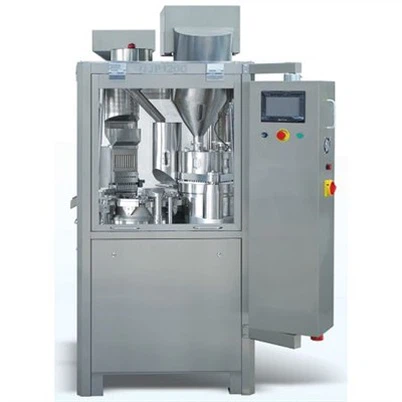
How does a Strip Package Machine synchronize with other equipment in a production line?
Leave a message

In the modern manufacturing landscape, the efficiency and productivity of a production line hinge significantly on the seamless synchronization of various equipment. As a supplier of Strip Package Machine, I understand the critical role that these machines play in a production line and the importance of their synchronization with other equipment. In this blog, I will delve into the mechanisms and strategies that enable a Strip Package Machine to synchronize effectively with other components in a production line.
Understanding the Role of a Strip Package Machine
A Strip Package Machine is designed to package products in strip-like formations, typically using flexible materials such as plastic films or aluminum foils. These machines are widely used in industries such as pharmaceuticals, food, and consumer goods for packaging tablets, capsules, candies, and other small items. The primary function of a Strip Package Machine is to form, fill, and seal the packages, ensuring product integrity and protection during storage and transportation.
Importance of Synchronization in a Production Line
In a production line, a Strip Package Machine does not operate in isolation. It is part of a complex system that includes upstream and downstream equipment such as product feeders, conveyors, labeling machines, and cartoning machines. Synchronization between these different pieces of equipment is crucial for several reasons:
- Efficiency: Synchronization ensures that the production line operates at optimal speed, minimizing downtime and maximizing throughput. When all equipment is working in harmony, products can flow smoothly through the line, reducing bottlenecks and increasing overall productivity.
- Quality Control: Proper synchronization helps maintain consistent product quality. For example, if the product feeder is not synchronized with the Strip Package Machine, it may result in overfilling or underfilling of the packages, leading to product defects. By synchronizing the equipment, manufacturers can ensure that each package is filled accurately and sealed properly.
- Cost Savings: Synchronization reduces waste and rework, which can result in significant cost savings. When equipment is not synchronized, there may be a higher incidence of product damage, packaging material waste, and production delays. By optimizing the synchronization, manufacturers can minimize these costs and improve their bottom line.
Mechanisms for Synchronization
There are several mechanisms that can be used to synchronize a Strip Package Machine with other equipment in a production line. These mechanisms can be broadly categorized into mechanical, electrical, and electronic synchronization methods.
Mechanical Synchronization
Mechanical synchronization involves the use of physical connections between the different pieces of equipment to ensure that they operate at the same speed and rhythm. This can be achieved through the use of gears, belts, chains, or cam systems. For example, a common mechanical synchronization method is to connect the product feeder and the Strip Package Machine using a belt drive. The belt drive ensures that the product feeder and the machine operate at the same speed, allowing for a continuous and smooth flow of products into the packaging machine.
One of the advantages of mechanical synchronization is its simplicity and reliability. Mechanical systems are generally less complex and easier to maintain compared to electrical or electronic systems. However, mechanical synchronization may have limitations in terms of speed and flexibility. For example, it may be difficult to adjust the speed of the equipment without making physical changes to the mechanical components.
Electrical Synchronization
Electrical synchronization involves the use of electrical signals to control the operation of the different pieces of equipment. This can be achieved through the use of sensors, relays, and controllers. For example, a sensor can be used to detect the position of the products on the conveyor belt and send a signal to the Strip Package Machine to start the packaging process. The controller can then adjust the speed and timing of the machine to ensure that it is synchronized with the product flow.
Electrical synchronization offers greater flexibility and precision compared to mechanical synchronization. It allows for easy adjustment of the speed and timing of the equipment without the need for physical modifications. However, electrical systems can be more complex and require specialized knowledge for installation and maintenance.
Electronic Synchronization
Electronic synchronization takes electrical synchronization a step further by using advanced electronic control systems such as programmable logic controllers (PLCs) and servo drives. PLCs are computer-based controllers that can be programmed to control the operation of multiple pieces of equipment simultaneously. Servo drives are used to control the speed and position of motors with high precision.
Electronic synchronization offers the highest level of flexibility, precision, and control. It allows for real-time monitoring and adjustment of the equipment, enabling manufacturers to optimize the production line for different products and production requirements. However, electronic systems are also the most complex and expensive to implement and maintain.
Strategies for Synchronization
In addition to the synchronization mechanisms, there are several strategies that can be employed to ensure effective synchronization between a Strip Package Machine and other equipment in a production line.
Standardization
Standardization is an important strategy for synchronization. By using standardized equipment and interfaces, manufacturers can ensure that different pieces of equipment can be easily integrated and synchronized. For example, many modern Strip Package Machines are designed to comply with industry standards such as the OMAC PackML standard, which provides a common framework for communication and synchronization between packaging equipment.


Communication Protocols
Communication protocols play a crucial role in synchronization. These protocols define the rules and procedures for communication between different pieces of equipment. For example, the Modbus protocol is a widely used communication protocol in industrial automation that allows for the exchange of data between different devices. By using a common communication protocol, manufacturers can ensure that the Strip Package Machine can communicate effectively with other equipment in the production line.
System Integration
System integration involves the design and implementation of a comprehensive control system that coordinates the operation of all equipment in the production line. This can be achieved through the use of a central control unit or a distributed control system. The control system monitors the status of each piece of equipment, adjusts the speed and timing as needed, and ensures that the production line operates smoothly and efficiently.
Case Study: Synchronization in a Candy Production Line
To illustrate the importance of synchronization in a production line, let's consider a case study of a candy production line that includes a Strip Packing Machine for Candy. The production line consists of the following equipment:
- Candy Feeder: This equipment is responsible for feeding the candies into the production line.
- Strip Package Machine: The machine forms, fills, and seals the candy packages.
- Labeling Machine: This machine applies labels to the packages.
- Cartoning Machine: The cartoning machine packs the labeled packages into cartons.
To synchronize these different pieces of equipment, the following steps were taken:
- Mechanical Synchronization: The candy feeder and the Strip Package Machine were connected using a belt drive to ensure that the candies were fed into the machine at a consistent rate.
- Electrical Synchronization: Sensors were installed on the conveyor belt to detect the presence of the candies and send a signal to the Strip Package Machine to start the packaging process. The labeling machine and the cartoning machine were also synchronized using electrical signals.
- Electronic Synchronization: A PLC was used to control the operation of the entire production line. The PLC monitored the status of each piece of equipment, adjusted the speed and timing as needed, and ensured that the production line operated at optimal efficiency.
As a result of these synchronization measures, the candy production line was able to achieve a significant increase in productivity, with a reduction in downtime and waste. The quality of the packaged candies also improved, as the synchronization ensured that each package was filled accurately and labeled correctly.
Conclusion
Synchronization between a Strip Package Machine and other equipment in a production line is essential for achieving optimal efficiency, quality control, and cost savings. By using a combination of mechanical, electrical, and electronic synchronization mechanisms, manufacturers can ensure that their production lines operate smoothly and efficiently. Strategies such as standardization, communication protocols, and system integration can further enhance the synchronization process.
As a supplier of Automatic Strip Packing Machine, I am committed to providing our customers with high-quality equipment and solutions that are designed to integrate seamlessly into their production lines. If you are interested in learning more about how our Strip Package Machines can be synchronized with your existing equipment, or if you have any questions or requirements, please do not hesitate to contact us. We look forward to the opportunity to discuss your needs and provide you with the best possible solutions for your production line.
References
- Smith, J. (2018). Industrial Automation: Principles and Applications. Wiley.
- Brown, A. (2019). Packaging Machinery: Design, Operation, and Maintenance. Elsevier.
- OMAC (Organization for Machine Automation and Control). (2020). PackML Standard. Retrieved from https://omac.org/packml