

What maintenance does a smaller blister packing machine need?
Leave a message

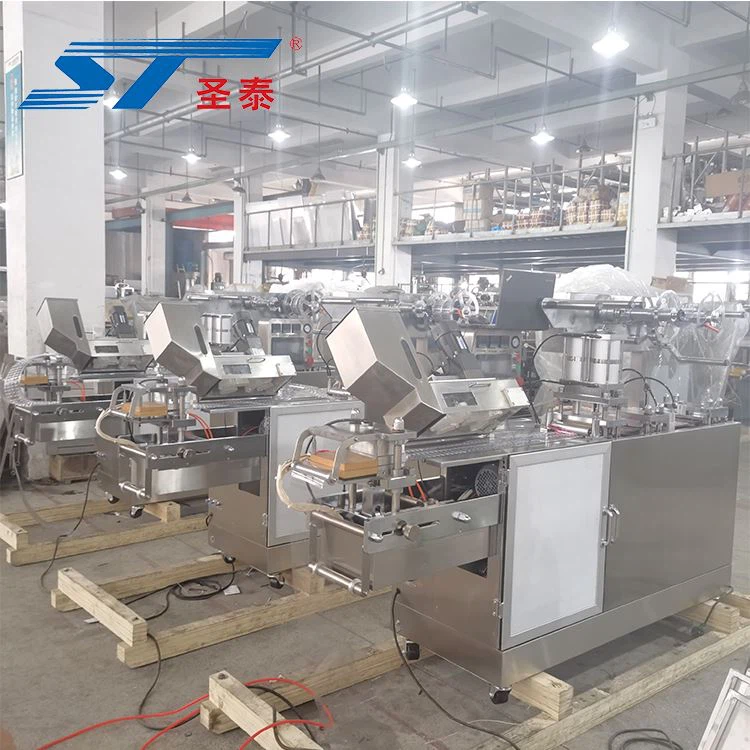
Hey there! As a supplier of Smaller Blister Packing Machines, I often get asked about the maintenance these machines need. Well, let's dive right into it and break down what you should do to keep your smaller blister packing machine in tip - top shape.
Regular Cleaning
First off, cleaning is super important. Just like we clean our homes regularly to keep them nice and tidy, your blister packing machine also needs a good clean. After each production run, you should clean the forming station. This is where the plastic film gets heated and shaped into blisters. Over time, residue from the plastic film can build up, which might affect the quality of the blisters. Use a soft cloth and a mild cleaning solution to wipe down the heating elements and the forming molds.
The sealing station is another area that requires regular cleaning. Sealing is crucial for ensuring the product inside the blister is well - protected. Any dirt or debris on the sealing bars can lead to poor seals. You can use a brush to gently remove any particles and then wipe the bars clean.
Don't forget about the feeding system. This is where the products are loaded into the blisters. If there are any leftover products or dust in the feeding hoppers or chutes, it can cause jams. So, empty the hoppers after each use and clean them thoroughly.
Lubrication
Lubrication is like giving your machine a dose of healthy oil. All the moving parts in a smaller blister packing machine need proper lubrication to work smoothly. Check the manufacturer's manual to find out which parts need lubrication and what type of lubricant to use.
The conveyor belts, for example, should be lubricated regularly. This helps to reduce friction and wear, ensuring that the blisters move along the production line without any issues. You can use a food - grade lubricant if your machine is used for packaging food products.
The gears and bearings also require lubrication. These parts are responsible for transferring power and allowing the machine to function properly. A lack of lubrication can lead to overheating and premature wear, which means you'll have to replace these parts sooner than you'd like.
Inspection of Electrical Components
The electrical components of your smaller blister packing machine are the brains behind its operation. Regularly inspect the wiring to make sure there are no frayed or loose wires. A loose wire can cause short - circuits or other electrical problems, which can be dangerous and can also damage the machine.
Check the control panels and sensors. These are what allow you to operate the machine and ensure that everything is working as it should. If a sensor is not working correctly, it might not detect when a blister is formed or when a product is loaded, leading to production errors.
The motors are another important part. Make sure they are running smoothly and not making any strange noises. If you notice any unusual vibrations or sounds coming from the motor, it could be a sign of a problem that needs to be addressed immediately.
Calibration
Calibration is essential for maintaining the accuracy of your smaller blister packing machine. The machine needs to be calibrated to ensure that the blisters are formed to the correct size and shape, and that the products are loaded accurately.
The forming station calibration is crucial. You need to adjust the temperature and pressure settings to get the perfect blister shape. If the temperature is too high, the plastic film might melt too much, and if it's too low, the blisters won't form properly.
The filling and sealing operations also need calibration. You have to make sure that the right amount of product is being filled into each blister and that the seals are strong enough. This might require some trial and error, but once you get the settings right, your production will be much more efficient.
Replacement of Worn - Out Parts
Over time, some parts of your smaller blister packing machine will wear out. It's important to identify these parts early and replace them before they cause major problems.
The forming molds, for example, are subject to a lot of heat and pressure during the blister - forming process. Eventually, they will start to show signs of wear, such as uneven blister shapes. When you notice this, it's time to replace the molds.
The sealing bars also wear out. If you start to see that the seals are not as strong as they used to be, it could be because the sealing bars are worn. Replacing them in a timely manner will ensure that your products are well - sealed.
Preventive Maintenance Schedule
To make sure you don't forget any of these maintenance tasks, it's a good idea to create a preventive maintenance schedule. This can be a simple calendar where you mark down when each task should be done.
For example, you can schedule daily cleaning tasks, weekly lubrication checks, monthly electrical inspections, and quarterly calibration. Having a schedule helps you stay organized and ensures that your machine is always in good condition.
Why Maintenance Matters
Proper maintenance of your smaller blister packing machine has several benefits. Firstly, it extends the lifespan of the machine. By taking good care of it, you can avoid costly breakdowns and replacements.
Secondly, it improves the quality of your products. A well - maintained machine will produce blisters that are of consistent quality, which is important for customer satisfaction.
Finally, it increases the efficiency of your production. When your machine is running smoothly, you can produce more blisters in less time, which means higher productivity and more profit for your business.
If you're in the market for a smaller blister packing machine or need more information about maintenance, we've got you covered. We offer a great range of Smaller Blister Packing Machine that are designed for reliability and ease of maintenance. We also have other related products like the Aluminum - plastic - aluminum Blister Packing Machine and the Blister Cartoner Production Line.
If you're interested in learning more about our products or have any questions about maintenance, feel free to reach out to us. We're here to help you make the best decision for your business.

References
- Manufacturer's manuals for smaller blister packing machines
- Industry best practices for blister packing machine maintenance





