How to ensure the stability of powder filling in a powder blister packaging machine?
Leave a message

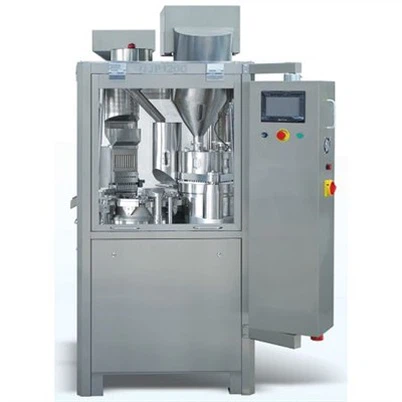
Hey there! As a supplier of Powder Blister Packaging Machines, I've seen firsthand the importance of ensuring the stability of powder filling in these machines. In this blog post, I'll share some tips and tricks on how to achieve that.
Understanding the Basics of Powder Filling
Before we dive into the details of ensuring stability, let's quickly go over how powder filling works in a blister packaging machine. The process typically involves several steps:
- Powder Hopper: The powder is stored in a hopper, which is usually located at the top of the machine.
- Feeding System: A feeding system, such as a screw feeder or a vibratory feeder, transfers the powder from the hopper to the filling nozzles.
- Filling Nozzles: The filling nozzles dispense the powder into the blister cavities.
- Sealing: After the powder is filled, the blister cavities are sealed to prevent leakage.
Now that we have a basic understanding of the process, let's look at some factors that can affect the stability of powder filling.
Factors Affecting Powder Filling Stability
1. Powder Characteristics
- Particle Size and Shape: Powders with uniform particle size and shape tend to flow more smoothly, resulting in more consistent filling. Irregularly shaped or agglomerated particles can cause blockages or uneven filling.
- Bulk Density: The bulk density of the powder affects its flowability. Powders with high bulk density may require more force to flow, while those with low bulk density may be more prone to aeration.
- Moisture Content: Moisture can cause powders to clump together, affecting their flowability and filling accuracy. It's important to store powders in a dry environment and control the humidity in the production area.
2. Machine Design and Operation
- Feeding System: The type and design of the feeding system can significantly impact powder filling stability. A well-designed feeding system should be able to deliver a consistent flow of powder to the filling nozzles.
- Filling Nozzles: The size and shape of the filling nozzles can affect the filling accuracy. Nozzles that are too small may cause blockages, while those that are too large may result in overfilling.
- Machine Speed: Running the machine at too high a speed can cause the powder to splash or spill, leading to inconsistent filling. It's important to find the optimal speed for the specific powder and machine configuration.
- Maintenance: Regular maintenance of the machine is essential to ensure its proper functioning. This includes cleaning the feeding system, filling nozzles, and other components to prevent blockages and ensure consistent powder flow.
3. Environmental Conditions
- Temperature and Humidity: Extreme temperatures and high humidity can affect the flowability of powders. It's important to maintain a stable environment in the production area to ensure consistent filling.
- Airflow: Excessive airflow in the production area can cause the powder to disperse, leading to uneven filling. It's important to control the airflow and minimize drafts.
Tips for Ensuring Powder Filling Stability
1. Choose the Right Powder
- Particle Size and Shape: Select powders with uniform particle size and shape to ensure smooth flow and consistent filling.
- Bulk Density: Consider the bulk density of the powder and choose a machine that is suitable for its flow characteristics.
- Moisture Content: Store powders in a dry environment and control the humidity in the production area to prevent clumping.
2. Optimize the Machine Design and Operation
- Feeding System: Choose a feeding system that is suitable for the specific powder and machine configuration. A screw feeder or a vibratory feeder may be more appropriate depending on the powder characteristics.
- Filling Nozzles: Select filling nozzles that are the right size and shape for the blister cavities. Nozzles with a tapered design can help prevent blockages and ensure consistent filling.
- Machine Speed: Find the optimal speed for the specific powder and machine configuration. Running the machine at a slower speed may be necessary to ensure accurate filling.
- Maintenance: Regularly clean and maintain the machine to prevent blockages and ensure consistent powder flow. This includes cleaning the feeding system, filling nozzles, and other components.
3. Control the Environmental Conditions
- Temperature and Humidity: Maintain a stable environment in the production area by controlling the temperature and humidity. This can be achieved through the use of air conditioning and dehumidifiers.
- Airflow: Minimize drafts and control the airflow in the production area to prevent the powder from dispersing. This can be done by using air curtains or other airflow control devices.
Our Powder Blister Packaging Machines
At our company, we offer a range of Blister Packing Machine for Vial, ALU ALU Blister Packing Machine, and Automatic Blister Packaging Machine that are designed to ensure the stability of powder filling. Our machines are equipped with advanced features such as precise feeding systems, adjustable filling nozzles, and user-friendly controls to ensure accurate and consistent filling.


If you're looking for a reliable and efficient powder blister packaging machine, we'd love to hear from you. Contact us today to learn more about our products and how we can help you achieve the stability of powder filling in your production process.
References
- "Powder Flowability: Understanding and Measuring the Flow of Powders." Pharmaceutical Technology, 2023.
- "Blister Packaging Machines: Design, Operation, and Maintenance." Packaging World, 2022.
- "Environmental Factors Affecting Powder Filling in Blister Packaging Machines." Journal of Packaging Science and Technology, 2021.