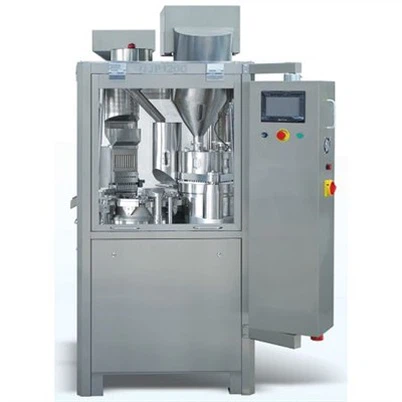
How to improve the powder packaging accuracy in a powder blister packaging machine?
Leave a message

Powder blister packaging machines are widely used in the pharmaceutical, food, and chemical industries for accurately dosing and packaging powdered products. Ensuring high packaging accuracy is crucial for product quality, compliance with regulations, and customer satisfaction. As a leading supplier of powder blister packaging machines, we understand the challenges faced by manufacturers in achieving precise powder packaging. In this blog post, we will explore several effective strategies to improve the powder packaging accuracy in a powder blister packaging machine.
1. Selecting the Right Dosing System
The dosing system is the heart of a powder blister packaging machine, and its performance directly affects the packaging accuracy. There are several types of dosing systems available, each with its own advantages and limitations.
- Volumetric Dosing: Volumetric dosing systems measure the powder by volume. They are relatively simple and cost - effective, making them suitable for free - flowing powders with consistent bulk density. However, variations in powder density can lead to inaccuracies in dosing. To improve accuracy, it is important to ensure that the powder has a uniform density and flow characteristics. This can be achieved through proper powder handling and conditioning, such as sieving and blending.
- Gravimetric Dosing: Gravimetric dosing systems measure the powder by weight. They offer higher accuracy compared to volumetric dosing, especially for powders with variable density. Gravimetric dosing systems can be either batch - type or continuous - type. Batch - type gravimetric dosing measures the powder in discrete batches, while continuous - type gravimetric dosing provides a continuous flow of accurately dosed powder. When using a gravimetric dosing system, it is essential to calibrate the weighing sensors regularly to maintain accuracy.
2. Optimizing Powder Flow
Good powder flow is essential for accurate dosing. Poor powder flow can result in inconsistent filling, bridging, and caking, all of which can affect the packaging accuracy.


- Powder Characteristics: The physical and chemical properties of the powder, such as particle size, shape, density, and moisture content, significantly influence its flowability. Powders with a narrow particle size distribution, spherical particles, and low moisture content generally have better flow properties. Manufacturers should work with powder suppliers to ensure that the powder meets the requirements of the packaging machine.
- Hopper Design: The hopper is where the powder is stored before dosing. A well - designed hopper can prevent powder bridging and ensure a consistent flow of powder to the dosing system. The hopper should have a smooth interior surface, a proper angle of repose, and anti - bridging devices, such as vibrators or agitators. These devices can help break up any powder clumps and maintain a steady flow of powder.
- Conveying System: The conveying system transports the powder from the hopper to the dosing system. It should be designed to minimize powder degradation and ensure a uniform flow. Pneumatic conveying systems are commonly used for powder transfer. However, the air velocity and pressure need to be carefully controlled to prevent powder segregation and ensure accurate dosing.
3. Machine Calibration and Maintenance
Regular calibration and maintenance of the powder blister packaging machine are essential for maintaining high packaging accuracy.
- Calibration: Calibration involves adjusting the machine settings to ensure that the dosing system dispenses the correct amount of powder. This should be done at regular intervals, especially after any major changes to the machine or the powder. The calibration process typically includes measuring the actual weight or volume of the powder dispensed and comparing it with the set value. Any deviations should be corrected by adjusting the dosing parameters.
- Maintenance: Proper maintenance of the packaging machine can prevent mechanical failures and ensure consistent performance. This includes cleaning the machine regularly to remove any powder residues, lubricating moving parts, and inspecting and replacing worn - out components. A well - maintained machine is less likely to experience problems such as clogging, leakage, or inaccurate dosing.
4. Environmental Control
The environment in which the powder blister packaging machine operates can also affect the packaging accuracy.
- Temperature and Humidity: Temperature and humidity can have a significant impact on the physical properties of the powder. High humidity can cause the powder to absorb moisture, leading to caking and poor flowability. On the other hand, low humidity can result in static electricity, which can cause powder to stick to the machine components. It is important to control the temperature and humidity in the packaging area within a suitable range. This can be achieved through the use of air conditioning and dehumidification systems.
- Dust Control: Dust generated during the packaging process can contaminate the powder and affect the accuracy of the dosing system. A proper dust collection system should be installed to remove dust from the packaging area. This can help maintain a clean working environment and prevent dust from interfering with the machine's operation.
5. Operator Training
Well - trained operators are crucial for achieving high packaging accuracy. Operators should be familiar with the operation, calibration, and maintenance of the powder blister packaging machine.
- Operation Training: Operators should be trained on how to set up the machine correctly, including adjusting the dosing parameters, loading the powder, and starting and stopping the machine. They should also be trained on how to troubleshoot common problems that may occur during the packaging process.
- Quality Control Training: Operators should understand the importance of quality control and how to perform quality checks on the packaged products. This includes checking the weight or volume of the powder in each blister, inspecting the blister for any defects, and ensuring that the packaging meets the required standards.
Our Product Advantages
As a professional supplier of powder blister packaging machines, we offer a range of high - quality machines that are designed to meet the diverse needs of our customers. Our Automatic Blister Packaging Machine is equipped with advanced dosing systems and control technology, which can ensure high packaging accuracy. The Blister Tablet Forming Sealing and Packing Machine is suitable for both powder and tablet packaging, with a high - speed and accurate performance. Our High - speed Blister Packing Machine can achieve a high production rate while maintaining excellent packaging accuracy.
Conclusion
Improving the powder packaging accuracy in a powder blister packaging machine requires a comprehensive approach that includes selecting the right dosing system, optimizing powder flow, calibrating and maintaining the machine, controlling the environment, and training the operators. By implementing these strategies, manufacturers can ensure high - quality packaging, reduce product waste, and improve customer satisfaction.
If you are interested in our powder blister packaging machines or have any questions about improving powder packaging accuracy, please feel free to contact us for further discussion and procurement negotiation. We are committed to providing you with the best packaging solutions.
References
- Jones, A. (2018). Powder Packaging Technology. New York: Wiley.
- Smith, B. (2019). Handbook of Blister Packaging. London: Elsevier.
- Brown, C. (2020). Advances in Powder Dosing Systems. Journal of Packaging Science and Technology, 15(2), 45 - 56.