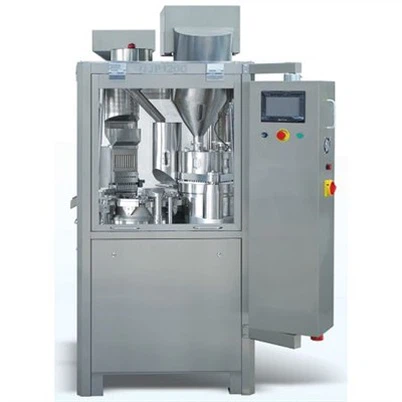
What is the production capacity of a blister packing machine for vial?
Leave a message

When it comes to the pharmaceutical and medical industries, the efficient and reliable packaging of vials is of utmost importance. Blister packing machines for vials play a crucial role in ensuring the safety and integrity of these products during storage and transportation. As a leading supplier of Blister Packing Machines for Vials, I often receive inquiries about the production capacity of these machines. In this blog post, I will delve into the factors that influence the production capacity of a blister packing machine for vials and provide some insights to help you make an informed decision.
Understanding Blister Packing Machines for Vials
Before discussing production capacity, it's essential to understand what a blister packing machine for vials does. These machines are designed to create a sealed blister pack that holds vials securely. The process typically involves forming a cavity in a thermoplastic film, placing the vials into the cavities, and then sealing a lidding material over the top to enclose the vials.
There are different types of blister packing machines available, each with its own features and capabilities. For example, the Blister Tablet Forming Sealing and Packing Machine is designed for high - speed production of blister packs, while the ALU ALU Blister Packaging Machine is suitable for applications where a high - barrier packaging is required. The Pvc - paper Blister Packing Machine offers a cost - effective solution for certain types of vial packaging.
Factors Affecting Production Capacity
Machine Design and Configuration
The design and configuration of the blister packing machine have a significant impact on its production capacity. Machines with a larger forming area can accommodate more vials per cycle, which directly increases the output. For example, a machine with a wide web width can form multiple rows of blisters simultaneously, allowing for the packaging of more vials in a single pass.
The type of indexing system used in the machine also affects the speed of operation. Continuous - motion machines generally have a higher production capacity compared to intermittent - motion machines because they can operate at a constant speed without the need for frequent stops and starts.
Vial Size and Shape
The size and shape of the vials being packaged are important factors. Larger vials require more space in the blister cavities, which means fewer vials can be placed on the web per cycle. Irregularly shaped vials may also pose challenges in terms of efficient placement and sealing, potentially reducing the production speed.
Packaging Material
The choice of packaging material can influence the production capacity. Some materials are more flexible and easier to form into blisters, allowing for faster production. For example, PVC is a commonly used material in blister packaging due to its good formability. On the other hand, materials with high - barrier properties such as aluminum may require more time for sealing, which can slow down the overall production process.
Operator Skill and Training
The skill and training of the machine operator play a role in the production capacity. A well - trained operator can optimize the machine settings, perform quick changeovers between different vial sizes and packaging materials, and troubleshoot minor issues promptly. This ensures that the machine runs smoothly and efficiently, maximizing the production output.
Measuring Production Capacity
The production capacity of a blister packing machine for vials is typically measured in terms of the number of vials packaged per hour or per minute. This measurement takes into account the machine's speed, the number of blisters formed per cycle, and the number of vials per blister.
For example, if a machine can form 10 blisters per cycle, each blister holds 2 vials, and the machine runs at a speed of 60 cycles per minute, the production capacity would be 10 x 2 x 60 = 1200 vials per minute or 72,000 vials per hour.
Typical Production Capacity Ranges
The production capacity of blister packing machines for vials can vary widely depending on the factors mentioned above. Small - scale machines may have a production capacity of a few thousand vials per hour, while large - scale, high - speed machines can package up to 100,000 vials or more per hour.
For entry - level machines designed for small pharmaceutical companies or laboratories, the production capacity may range from 2,000 to 10,000 vials per hour. These machines are often more compact and less expensive, making them suitable for low - volume production.
Medium - sized machines, which are commonly used in medium - scale pharmaceutical manufacturing, can typically produce between 10,000 and 50,000 vials per hour. These machines offer a good balance between cost and performance.
High - end, industrial - scale machines are capable of extremely high production volumes. They are designed for large pharmaceutical companies with high - demand production requirements and can have a production capacity of over 50,000 vials per hour, sometimes reaching up to 150,000 vials per hour.
Selecting the Right Machine Based on Production Capacity
When choosing a blister packing machine for vials, it's important to consider your production requirements. If you have a small - scale operation with low - volume production needs, a machine with a lower production capacity may be sufficient. This can help you save on costs without sacrificing quality.
On the other hand, if you are a large - scale pharmaceutical manufacturer with high - demand production, investing in a high - speed machine with a large production capacity is essential. This ensures that you can meet your production targets efficiently and keep up with market demand.


Conclusion
The production capacity of a blister packing machine for vials is influenced by multiple factors, including machine design, vial size, packaging material, and operator skill. By understanding these factors, you can make an informed decision when selecting a machine that meets your specific production requirements.
As a supplier of Blister Packing Machines for Vials, we offer a wide range of machines with different production capacities to suit various needs. Whether you are a small - scale laboratory or a large - scale pharmaceutical manufacturer, we can provide you with the right solution.
If you are interested in learning more about our blister packing machines for vials or would like to discuss your specific production requirements, please feel free to contact us. We are ready to assist you in finding the perfect machine for your business.
References
- Pharmaceutical Packaging Technology Handbook, edited by Douglas J. Downes.
- Blister Packaging: Principles and Practice, by John A. Robertson.