What is the quality control system of an Automatic Strip Packing Machine?
Leave a message

As a supplier of Automatic Strip Packing Machines, I understand the critical role that quality control plays in the manufacturing and operation of these machines. In this blog post, I will delve into the quality control system of an Automatic Strip Packing Machine, exploring its components, processes, and importance in ensuring the reliability and efficiency of the packaging process.
Understanding the Automatic Strip Packing Machine
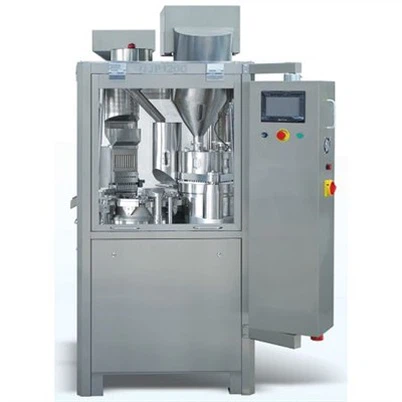
Before we dive into the quality control system, let's briefly understand what an Automatic Strip Packing Machine is. An Automatic Strip Packing Machine is a specialized piece of equipment used in the pharmaceutical, food, and other industries to pack products in strips. These machines can handle a variety of products, including tablets, capsules, and softgels, and can produce strips of different sizes and configurations.


The machine typically consists of several components, including a product feeding system, a forming station, a sealing station, a cutting station, and a control system. The product feeding system is responsible for accurately feeding the products into the machine, while the forming station creates the strip pockets. The sealing station seals the pockets, and the cutting station cuts the strips into individual units. The control system manages the overall operation of the machine, ensuring that all processes are carried out smoothly and efficiently.
Components of the Quality Control System
The quality control system of an Automatic Strip Packing Machine is a comprehensive set of processes and procedures designed to ensure that the machine operates at optimal performance and produces high-quality packaged products. The system typically includes the following components:
1. Design and Engineering Quality Control
- Conceptual Design Review: Before the machine is built, a team of engineers conducts a thorough review of the design concept. This review ensures that the machine meets the specific requirements of the customer, including the type of products to be packed, the production speed, and the quality standards.
- Material Selection: The quality of the materials used in the construction of the machine is crucial. High-quality materials are selected to ensure the durability and reliability of the machine. For example, stainless steel is commonly used for parts that come into contact with the products to prevent contamination.
- Engineering Calculations: Engineers perform detailed engineering calculations to ensure that the machine's components can withstand the forces and stresses during operation. This includes calculations for the motor power, conveyor belt tension, and sealing pressure.
2. Manufacturing Quality Control
- In - process Inspection: During the manufacturing process, regular inspections are carried out at various stages. This includes inspections of raw materials, machined parts, and assembled components. Any defects or deviations from the design specifications are identified and corrected immediately.
- Assembly Quality: The assembly of the machine is a critical step. Skilled technicians ensure that all components are assembled correctly, and all connections are tight and secure. Proper alignment of the forming, sealing, and cutting stations is essential for the accurate production of strips.
- Testing and Calibration: Once the machine is assembled, it undergoes a series of tests and calibrations. This includes functional tests to ensure that all parts of the machine are working properly, and calibration of sensors, motors, and other control elements to ensure accurate operation.
3. Operational Quality Control
- Operator Training: Operators of the Automatic Strip Packing Machine must be properly trained. Training programs cover machine operation, maintenance, and quality control procedures. Well - trained operators can identify and address minor issues before they become major problems.
- Process Monitoring: During operation, the machine's performance is continuously monitored. This includes monitoring parameters such as production speed, sealing temperature, and product filling level. Any deviations from the set parameters are immediately detected, and corrective actions are taken.
- Product Inspection: The packaged products are inspected at regular intervals. This can be done manually or using automated inspection systems. Inspections check for defects such as incomplete sealing, incorrect product count, and damaged strips.
4. Maintenance Quality Control
- Preventive Maintenance Schedule: A preventive maintenance schedule is established to ensure the long - term reliability of the machine. This includes regular cleaning, lubrication, and replacement of worn - out parts. Preventive maintenance helps to prevent breakdowns and reduces the risk of quality issues.
- Maintenance Records: Detailed maintenance records are kept to track the maintenance history of the machine. These records can be used to identify trends, plan future maintenance, and ensure that all maintenance tasks are carried out on time.
Importance of the Quality Control System
The quality control system of an Automatic Strip Packing Machine is of utmost importance for several reasons:
1. Product Quality
- Consistent Packaging: A well - implemented quality control system ensures that the packaged products are of consistent quality. This means that each strip has the correct number of products, the seals are intact, and the overall appearance of the package is uniform.
- Product Safety: In industries such as pharmaceuticals and food, product safety is a top priority. The quality control system helps to prevent contamination and ensure that the products are protected during the packaging process.
2. Production Efficiency
- Reduced Downtime: By detecting and addressing issues early, the quality control system helps to reduce machine downtime. This means that the machine can operate continuously, increasing the overall production output.
- Optimal Performance: Regular monitoring and calibration of the machine ensure that it operates at optimal performance. This results in higher production speeds and lower energy consumption.
3. Customer Satisfaction
- Meeting Standards: High - quality packaged products meet or exceed the customer's expectations. This helps to build a good reputation for the manufacturer and increases customer satisfaction.
- Compliance: In many industries, there are strict regulations regarding product packaging. The quality control system ensures that the machine and the packaged products comply with these regulations.
Types of Automatic Strip Packing Machines and Their Quality Control
There are different types of Automatic Strip Packing Machines, such as the Strip Package Machine and the Soft ALU ALU Strip Packing Machine. Each type has its own specific quality control requirements.
Strip Package Machine
- Quality Control for Different Product Types: The Strip Package Machine can handle a wide range of products, from small tablets to larger capsules. The quality control system must be adjusted to accommodate the different sizes and shapes of the products. For example, the feeding system may need to be calibrated differently for tablets and capsules to ensure accurate product placement.
- Sealing Quality: The sealing quality is crucial for the Strip Package Machine. The quality control system monitors the sealing temperature, pressure, and time to ensure that the seals are strong and leak - proof.
Soft ALU ALU Strip Packing Machine
- Material Handling: The Soft ALU ALU Strip Packing Machine uses aluminum foil for packaging. The quality control system ensures that the aluminum foil is handled properly to prevent wrinkles, tears, or other defects. This includes monitoring the tension of the foil during the forming and sealing processes.
- Product Protection: Since soft products are often packed in this type of machine, the quality control system focuses on protecting the products from damage during the packaging process. This may involve adjusting the pressure of the sealing and cutting stations to prevent crushing of the products.
Continuous Improvement in the Quality Control System
The quality control system of an Automatic Strip Packing Machine is not static. It is continuously improved to adapt to new technologies, changing customer requirements, and emerging industry standards. Here are some ways in which the quality control system can be improved:
1. Incorporating New Technologies
- Automated Inspection Systems: Advanced automated inspection systems, such as vision systems and X - ray inspection, can be integrated into the machine. These systems can detect defects with high precision and speed, improving the overall quality control process.
- Data Analytics: By collecting and analyzing data from the machine's operation, manufacturers can identify areas for improvement. For example, data on production speed, product rejects, and maintenance history can be used to optimize the machine's performance.
2. Customer Feedback
- Listening to Customers: Customer feedback is a valuable source of information for improving the quality control system. Manufacturers should actively seek feedback from customers regarding the performance of the machine and the quality of the packaged products. This feedback can be used to make necessary adjustments to the machine and the quality control processes.
3. Industry Collaboration
- Sharing Best Practices: Manufacturers can collaborate with other companies in the industry to share best practices in quality control. This can include participating in industry conferences, joining professional associations, and engaging in research and development projects.
Conclusion
In conclusion, the quality control system of an Automatic Strip Packing Machine is a complex and essential part of the manufacturing and operation process. It ensures that the machine produces high - quality packaged products, operates efficiently, and meets the needs of the customers. As a supplier, we are committed to providing machines with a robust quality control system.
If you are in the market for an Automatic Strip Packing Machine and are interested in learning more about our products and how our quality control system can benefit your business, we encourage you to reach out to us for a detailed discussion. We are ready to assist you in finding the best solution for your packaging needs.
References
- "Packaging Machinery Technology Handbook" by George B. Schmid.
- "Quality Control in Manufacturing Processes" by John A. Reece.
- Industry standards and guidelines related to strip packing machines from relevant regulatory bodies.