

What materials can be used for strip packaging with a Strip Package Machine?
Leave a message

Strip packaging is a widely used method for packaging various products, especially in the pharmaceutical, food, and cosmetic industries. As a leading supplier of Strip Package Machines, we often receive inquiries about the materials suitable for strip packaging. In this blog post, we will explore the different materials that can be used with our Strip Package Machines, highlighting their properties, advantages, and applications.
1. Aluminum Foil
Aluminum foil is one of the most commonly used materials for strip packaging, especially in the pharmaceutical industry. It offers several key advantages that make it ideal for protecting sensitive products.
Properties
- Barrier Properties: Aluminum foil provides excellent barriers against moisture, oxygen, light, and microorganisms. This helps to preserve the quality and integrity of the packaged products, especially pharmaceuticals that are sensitive to environmental factors.
- Flexibility: It is highly flexible, allowing it to be easily formed into the desired shape during the packaging process. This flexibility also enables it to conform to the shape of the products being packaged.
- Heat Sealability: Aluminum foil can be heat - sealed effectively, creating a secure and airtight package. This ensures that the products remain protected from external contaminants.
Applications
- Pharmaceuticals: It is widely used for packaging tablets, capsules, and other solid dosage forms. The barrier properties of aluminum foil help to extend the shelf - life of medications by preventing moisture and oxygen from degrading the active ingredients.
- Food Products: Some food items, such as chewing gum and chocolate bars, are also packaged using aluminum foil in strip packs. The foil protects the food from spoilage and maintains its flavor and texture.
Our Medicine Strip Packaging Machine is specifically designed to work with aluminum foil, ensuring precise and efficient packaging of pharmaceutical products.
2. Polyvinyl Chloride (PVC)
PVC is another popular material for strip packaging, known for its clarity and versatility.
Properties
- Transparency: PVC is a transparent material, which allows consumers to easily see the packaged products. This is particularly useful for products where visual inspection is important, such as pharmaceuticals and food items.
- Good Mechanical Properties: It has sufficient strength and flexibility to withstand the rigors of the packaging process and transportation. PVC can be easily formed into blisters or pockets to hold the products.
- Chemical Resistance: PVC is resistant to many chemicals, making it suitable for packaging a wide range of products.
Applications
- Pharmaceuticals: PVC is commonly used for blister packaging of tablets and capsules. The transparency of PVC allows for easy identification of the medications, and its chemical resistance ensures compatibility with the pharmaceutical products.
- Cosmetics: Many cosmetic products, such as creams and gels, are packaged in PVC strip packs. The material protects the cosmetics from contamination and provides a clear view of the product.
Our Automatic Strip Packing Machine can be configured to work with PVC materials, providing high - speed and reliable packaging solutions.
3. Polyethylene Terephthalate (PET)
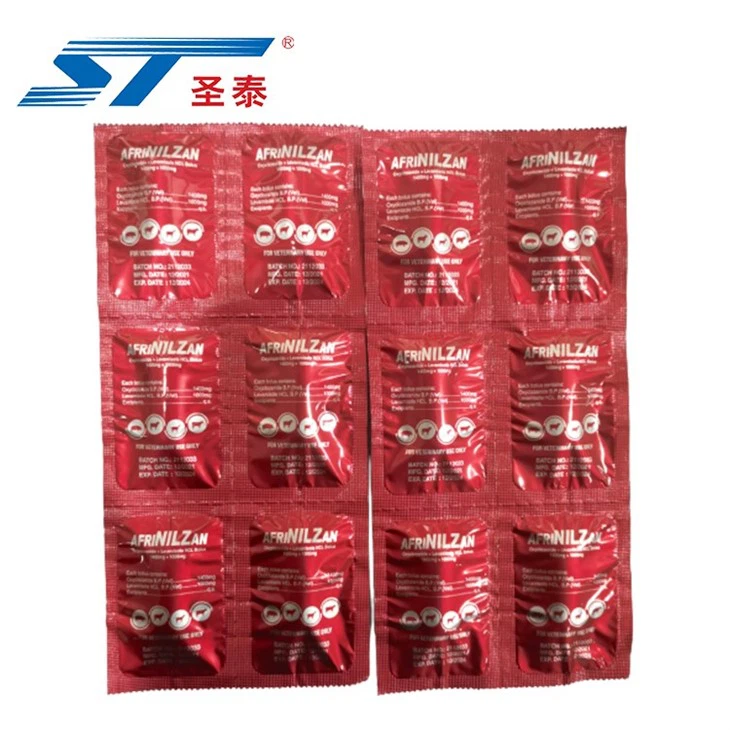
PET is a lightweight and strong material that is increasingly being used in strip packaging.
Properties

- High Strength - to - Weight Ratio: PET is a strong material while being relatively lightweight. This makes it cost - effective for packaging applications, as less material is required to achieve the same level of protection.
- Good Barrier Properties: It offers moderate barriers against moisture and oxygen, which can be further enhanced through the use of coatings or laminations.
- Recyclability: PET is a recyclable material, which is an important consideration in today's environmentally conscious market.
Applications
- Food and Beverage: PET is used for packaging food products such as snacks and single - serve beverages. Its lightweight nature makes it suitable for on - the - go consumption.
- Cosmetics and Personal Care: Many cosmetic and personal care products, such as lotions and shampoos, are packaged in PET strip packs. The material provides a modern and attractive appearance.
Our Tablet Strip Packing Machine can handle PET materials, providing efficient and precise packaging for tablet products.
4. Paper - Based Materials
Paper - based materials are also used in strip packaging, especially for products that require a more eco - friendly packaging solution.
Properties
- Renewability: Paper is made from wood pulp, a renewable resource. This makes it an environmentally friendly choice compared to some synthetic materials.
- Printability: Paper has excellent printability, allowing for high - quality branding and product information to be printed directly on the packaging.
- Limited Barrier Properties: Paper alone has limited barrier properties against moisture and oxygen. However, it can be laminated with other materials, such as aluminum foil or plastic films, to improve its performance.
Applications
- Food Products: Some food items, such as dry snacks and tea bags, are packaged in paper - based strip packs. The laminated paper provides a good balance between protection and environmental friendliness.
- Non - Food Items: Paper - based strip packs are also used for packaging non - food items, such as small hardware parts and stationery.
5. Composite Materials
Composite materials are made by combining two or more different materials to achieve specific properties.
Properties
- Enhanced Barrier Properties: By combining materials such as aluminum foil, plastic films, and paper, composite materials can offer superior barrier properties compared to individual materials.
- Customizability: Composite materials can be customized to meet the specific requirements of different products. For example, a composite material can be designed to have high moisture resistance for a product that is sensitive to humidity.
Applications
- Pharmaceuticals: Composite materials are often used for high - value pharmaceutical products that require maximum protection. The combination of different materials provides a comprehensive barrier against environmental factors.
- Electronics: Some electronic components are packaged in composite strip packs to protect them from moisture, static electricity, and physical damage.
Factors to Consider When Choosing Packaging Materials
When selecting materials for strip packaging with our Strip Package Machines, several factors need to be considered:
- Product Compatibility: The packaging material must be compatible with the product being packaged. For example, some chemicals may react with certain plastics, so it is important to choose a material that will not affect the quality of the product.
- Barrier Requirements: Depending on the product's sensitivity to moisture, oxygen, light, and microorganisms, the appropriate barrier properties of the packaging material need to be determined.
- Cost: The cost of the packaging material is an important consideration. Different materials have different costs, and it is necessary to balance the cost with the required level of protection and functionality.
- Environmental Impact: With increasing environmental awareness, the recyclability and biodegradability of the packaging material are becoming more important factors in the decision - making process.
Conclusion
As a supplier of Strip Package Machines, we understand the importance of choosing the right packaging materials for different products. Aluminum foil, PVC, PET, paper - based materials, and composite materials each have their own unique properties and applications. By carefully considering the product requirements, barrier needs, cost, and environmental impact, you can select the most suitable material for your strip packaging needs.
If you are interested in our Strip Package Machines or have any questions about the materials suitable for strip packaging, please feel free to contact us. We are ready to provide you with professional advice and high - quality packaging solutions.
References
- "Packaging Materials and Technology" by John M. Vlachopoulos
- "Handbook of Pharmaceutical Excipients" by Raymond C. Rowe, Paul J. Sheskey, and Marian E. Quinn
- Industry reports on packaging materials from leading market research firms.





