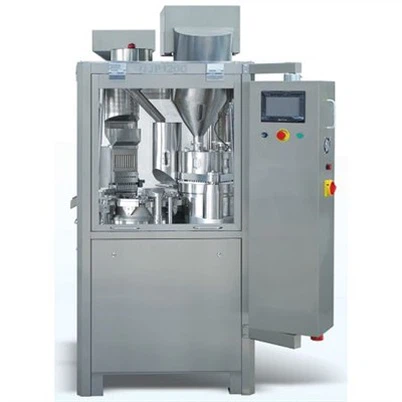
Can a Pill Blister Packaging Machine be used for packaging capsules as well?
Leave a message

In the pharmaceutical and healthcare industries, the packaging of pills and capsules is a critical process that ensures product safety, integrity, and compliance with regulatory standards. Blister packaging has emerged as a popular choice due to its ability to protect products from environmental factors, provide tamper-evident features, and offer convenient dosing options for consumers. As a leading supplier of pill blister packaging machines, a common question we often encounter is whether these machines can be used for packaging capsules as well. In this blog post, we will explore this topic in detail, examining the capabilities of pill blister packaging machines, the differences between pills and capsules, and the factors to consider when using these machines for capsule packaging.
Understanding Pill Blister Packaging Machines
Pill blister packaging machines are designed to automate the process of forming, filling, and sealing blister packs for pharmaceutical products. These machines typically consist of several components, including a blister forming station, a product filling system, a sealing unit, and a cutting mechanism. The blister forming station uses heat and pressure to shape a thermoplastic film into individual cavities, which are then filled with pills using a precise dosing system. The filled blisters are then sealed with a lidding material, such as aluminum foil or paper, to create a protective barrier around the product. Finally, the sealed blister packs are cut into individual units for packaging and distribution.
Automatic Blister Packaging Machine are available in a variety of configurations and sizes to accommodate different production volumes and product requirements. Some machines are designed for high-speed production lines, while others are more suitable for small-scale or laboratory applications. Additionally, modern blister packaging machines are equipped with advanced features, such as servo-driven motion control, touchscreen interfaces, and integrated quality control systems, to ensure accurate and efficient operation.
Differences Between Pills and Capsules
Before discussing whether a pill blister packaging machine can be used for capsule packaging, it is important to understand the differences between pills and capsules. Pills are solid dosage forms that are typically made by compressing a mixture of active ingredients and excipients into a specific shape, such as a tablet or a caplet. Capsules, on the other hand, are hollow shells made of gelatin or other materials that are filled with a liquid, powder, or granular formulation. The main differences between pills and capsules include:
- Shape and Size: Pills come in a variety of shapes and sizes, including round, oval, and oblong, while capsules are typically cylindrical or oval in shape. Capsules also come in different sizes, ranging from small 000 capsules to large 5 capsules, depending on the volume of the formulation they need to hold.
- Physical Properties: Pills are generally harder and more rigid than capsules, which are softer and more flexible. This difference in physical properties can affect the way the products are handled and packaged, as well as the design of the blister cavities.
- Filling Requirements: Pills are usually filled into blister cavities using a mechanical or pneumatic dosing system, which measures and dispenses a precise amount of product into each cavity. Capsules, on the other hand, may require a different filling method, such as a vibratory feeder or a vacuum filling system, to ensure accurate and consistent filling.
Can a Pill Blister Packaging Machine be Used for Packaging Capsules?
The short answer is yes, a pill blister packaging machine can be used for packaging capsules in many cases. However, there are several factors that need to be considered to ensure successful capsule packaging. These factors include:
- Machine Compatibility: Not all pill blister packaging machines are suitable for capsule packaging. Some machines may have limitations in terms of the size, shape, and filling requirements of capsules. It is important to choose a machine that is specifically designed or can be easily adapted for capsule packaging.
- Blister Cavity Design: The design of the blister cavities is crucial for both pill and capsule packaging. For capsules, the cavities need to be designed to accommodate the specific shape and size of the capsules, while also providing enough space for easy filling and sealing. The depth and diameter of the cavities may need to be adjusted to ensure a proper fit for the capsules.
- Filling System: As mentioned earlier, capsules may require a different filling method than pills. Some pill blister packaging machines may need to be equipped with a specialized filling system, such as a vibratory feeder or a vacuum filling system, to ensure accurate and consistent capsule filling.
- Sealing Process: The sealing process for capsules is similar to that for pills, but it may require some adjustments to ensure a proper seal. The temperature, pressure, and sealing time may need to be optimized to prevent damage to the capsules and to ensure a secure and tamper-evident seal.
Benefits of Using a Pill Blister Packaging Machine for Capsule Packaging
Using a pill blister packaging machine for capsule packaging offers several benefits, including:
- Cost-Effectiveness: Investing in a single machine that can handle both pills and capsules can be more cost-effective than purchasing separate machines for each type of product. This can help reduce capital expenditure and operating costs for pharmaceutical manufacturers.
- Flexibility: A versatile blister packaging machine allows manufacturers to easily switch between pill and capsule packaging, depending on their production needs. This flexibility can help improve production efficiency and reduce downtime.
- Quality Assurance: Modern pill blister packaging machines are equipped with advanced quality control systems that can detect and reject defective capsules, ensuring that only high-quality products are packaged and distributed.
- Regulatory Compliance: Blister packaging is a widely recognized and accepted packaging format in the pharmaceutical industry, and it helps manufacturers meet regulatory requirements for product safety and integrity.
Considerations for Choosing a Blister Packaging Machine for Capsule Packaging
When choosing a blister packaging machine for capsule packaging, it is important to consider the following factors:


- Production Volume: The production volume requirements will determine the size and speed of the machine. For high-volume production, a high-speed automatic blister packaging machine may be required, while a small-scale or laboratory application may be better suited for a Small Capsule Blister Packing Machine.
- Capsule Size and Shape: The machine should be able to accommodate the specific size and shape of the capsules to be packaged. Some machines may have limitations in terms of the maximum and minimum capsule sizes they can handle.
- Filling Accuracy: Accurate filling is crucial for capsule packaging to ensure consistent dosing and product quality. Look for a machine that offers precise filling control and can handle different types of capsule formulations.
- Sealing Quality: A reliable sealing process is essential to prevent leakage and contamination of the capsules. The machine should be able to provide a strong and secure seal that meets regulatory standards.
- Ease of Use and Maintenance: Choose a machine that is easy to operate and maintain, with user-friendly interfaces and accessible components for cleaning and servicing.
Conclusion
In conclusion, a pill blister packaging machine can be used for packaging capsules in many cases, provided that the machine is compatible with the specific requirements of capsule packaging. By considering factors such as machine compatibility, blister cavity design, filling system, and sealing process, pharmaceutical manufacturers can successfully use a pill blister packaging machine to package both pills and capsules. Using a single machine for both types of products offers cost-effectiveness, flexibility, and quality assurance benefits. If you are interested in learning more about our Aluminum-plastic-aluminum Blister Packing Machine and their suitability for capsule packaging, please feel free to contact us. Our team of experts will be happy to assist you in choosing the right machine for your production needs and to provide you with detailed information and support.
References
- Pharmaceutical Packaging Technology Handbook, edited by John W. McGinity.
- Blister Packaging: Design, Development, and Production, by David A. Timmons.