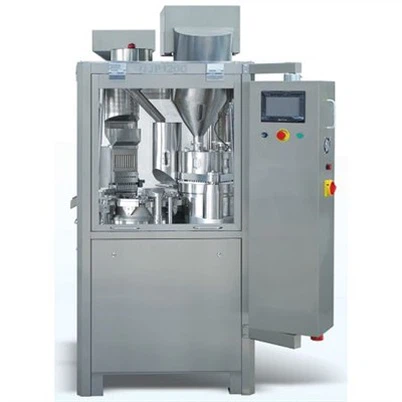
What is the material feeding accuracy of a smaller blister packing machine?
Leave a message

Hey there! As a supplier of smaller blister packing machines, I often get asked about the material feeding accuracy of these nifty little devices. So, let's dive right in and explore what this whole material feeding accuracy thing is all about.
First off, what's material feeding accuracy? Well, it's basically how precisely a blister packing machine can feed materials like PVC, paper, or aluminum into the packaging process. Think of it like making a sandwich. You want the right amount of each ingredient in the right place, right? In the world of blister packing, that means getting the correct amount of packaging material in the right spot every single time.
Now, why does material feeding accuracy matter so much? For starters, it directly affects the quality of the final product. If the machine isn't feeding the materials accurately, you might end up with blisters that are misaligned, have holes, or aren't sealed properly. That's a big no - no, especially when you're packing pharmaceuticals, food, or other sensitive products. Customers expect a high - quality, well - packaged product, and inaccurate feeding can really mess that up.
Another reason is efficiency. When the material feeding is accurate, the machine can run smoothly and at a consistent speed. There's less downtime for fixing errors, and you can produce more units in less time. That translates to cost savings and higher productivity for your business.
So, what factors can affect the material feeding accuracy of a smaller blister packing machine?
Machine Design
The design of the machine plays a huge role. A well - designed smaller blister packing machine will have precise mechanisms for pulling, cutting, and positioning the materials. For example, the rollers that pull the packaging material should be properly calibrated to ensure a steady and even feed. If the rollers are worn out or not adjusted correctly, the material might slip or bunch up, leading to inaccurate feeding.
Material Properties
The type and quality of the materials you're using also matter. Different materials have different characteristics, like flexibility, thickness, and friction. PVC, for instance, is more flexible than aluminum. If the machine isn't set up to handle the specific properties of the material you're using, it can cause feeding problems. Also, if the material has defects, like uneven thickness or impurities, it can throw off the feeding accuracy.
Operator Skills
Let's not forget about the person operating the machine. An experienced operator who knows how to set up and adjust the machine properly can make a big difference. They need to understand how to load the materials correctly, set the right tension, and monitor the feeding process. A newbie operator might make mistakes that lead to inaccurate feeding.
Environmental Conditions
Believe it or not, the environment where the machine is operating can affect feeding accuracy. Temperature and humidity can change the properties of the materials. For example, in a humid environment, paper might absorb moisture and become more difficult to feed. So, it's important to keep the operating environment stable and within the recommended range for the machine and materials.
Now, as a supplier of smaller blister packing machines, we've taken steps to ensure high material feeding accuracy in our products. Our machines are designed with state - of - the - art technology to handle a wide range of materials. We use high - quality components and precision engineering to make sure that every part of the feeding process is as accurate as possible.
We also offer training and support to our customers. Our team of experts can help you choose the right machine for your specific materials and requirements. We'll teach your operators how to set up and maintain the machine to get the best possible feeding accuracy.
If you're in the market for a smaller blister packing machine, we have a few great options for you. Check out our Pvc - paper Blister Packing Machine. It's perfect for packing products using PVC and paper materials. It has a high - precision feeding system that ensures accurate placement and sealing of the blisters.
Another option is our Blister Tablet Forming Sealing and Packing Machine. This machine is specifically designed for packing tablets. It can handle different tablet shapes and sizes, and its material feeding system is top - notch, ensuring that each tablet is properly packed.
And if you're looking to pack products using aluminum foil, our ALU ALU Blister Packing Machine is a great choice. It's built to handle the unique properties of aluminum and provides accurate material feeding for a reliable and high - quality packaging solution.
In conclusion, material feeding accuracy is a crucial aspect of a smaller blister packing machine. It affects the quality of your products, the efficiency of your production, and ultimately, the success of your business. If you're interested in learning more about our smaller blister packing machines or want to discuss your specific needs, don't hesitate to get in touch. We're here to help you find the perfect solution for your packaging requirements.


References
- Packaging Machinery Manufacturers Institute. (20XX). Handbook of Packaging Machinery.
- Smith, J. (20XX). "Improving Material Feeding Accuracy in Blister Packing Machines." Journal of Packaging Technology.