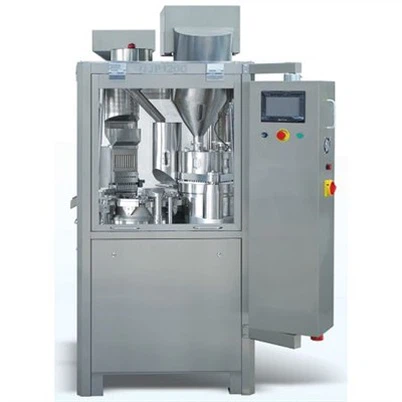
What is the temperature range for operating a small capsule filling machine?
Leave a message

As a supplier of small capsule filling machines, understanding the optimal temperature range for operating these machines is crucial. This knowledge not only ensures the smooth functioning of the equipment but also has a significant impact on the quality of the capsules produced. In this blog, we will delve into the ideal temperature range for operating a small capsule filling machine and why it matters.
The Importance of Temperature in Capsule Filling
Temperature plays a vital role in the capsule filling process for several reasons. First, it affects the physical properties of the capsule materials. Most capsules are made of gelatin or other polymers, and their flexibility, brittleness, and overall integrity can be influenced by temperature. If the temperature is too high, the capsules may become too soft and sticky, leading to issues such as capsule deformation, blockages in the filling mechanism, and inconsistent filling weights. On the other hand, if the temperature is too low, the capsules may become brittle and prone to cracking, which can result in product loss and reduced efficiency.
Second, temperature can impact the flowability of the filling materials. Powders, granules, or liquids used in capsule filling have different flow characteristics at different temperatures. For example, some powders may become more cohesive and less free - flowing at low temperatures, making it difficult to achieve accurate dosing. Liquids may also have different viscosities depending on the temperature, which can affect the filling process and the uniformity of the filled capsules.
Optimal Temperature Range for Small Capsule Filling Machines
The optimal temperature range for operating a small capsule filling machine typically falls between 20°C and 25°C (68°F - 77°F). This range is considered ideal for several reasons:
1. Capsule Material Stability
At this temperature range, gelatin capsules, which are widely used in the pharmaceutical and nutraceutical industries, maintain their proper physical properties. Gelatin has a glass - transition temperature, and within the 20 - 25°C range, it remains in a stable state. The capsules are neither too soft nor too brittle, ensuring that they can be easily separated, filled, and sealed without significant issues.
2. Filling Material Flowability
Most filling materials, whether they are powders or liquids, have good flow characteristics within this temperature range. Powders flow freely through the dosing mechanisms, allowing for accurate and consistent filling. Liquids have appropriate viscosities, enabling smooth filling and preventing issues such as dripping or uneven distribution within the capsules.
3. Machine Performance
The mechanical components of a small capsule filling machine also operate optimally within the 20 - 25°C temperature range. Motors, gears, and other moving parts are less likely to experience overheating or excessive wear and tear. This helps to ensure the long - term reliability and performance of the machine, reducing the need for frequent maintenance and repairs.


Temperature Deviations and Their Effects
High Temperatures (Above 25°C)
- Capsule Deformation: As mentioned earlier, high temperatures can cause gelatin capsules to become soft and sticky. This can lead to capsules sticking together during the filling process, resulting in misaligned capsules, incomplete filling, and even damage to the filling machine.
- Filling Material Issues: Some filling materials may become more volatile or change their physical state at high temperatures. For example, certain powders may start to clump together, and liquids may evaporate more quickly, leading to inaccurate dosing and inconsistent product quality.
- Machine Overheating: The electrical and mechanical components of the capsule filling machine can overheat at high temperatures. This can cause malfunctions, reduce the lifespan of the machine, and even pose a safety hazard.
Low Temperatures (Below 20°C)
- Capsule Brittleness: Gelatin capsules can become brittle at low temperatures, increasing the risk of cracking during handling. Cracked capsules are not only a waste of materials but can also cause blockages in the filling machine, leading to production downtime.
- Poor Filling Material Flow: Powders may become more cohesive and less free - flowing at low temperatures, making it difficult to achieve accurate dosing. Liquids may become more viscous, resulting in slow filling and uneven distribution within the capsules.
- Increased Wear on Machine Parts: Cold temperatures can cause the lubricants in the machine to thicken, increasing the friction between moving parts. This can lead to increased wear and tear on the machine, reducing its efficiency and reliability.
Controlling the Temperature in the Operating Environment
To ensure that the small capsule filling machine operates within the optimal temperature range, it is essential to control the temperature of the operating environment. Here are some strategies:
1. HVAC Systems
Installing a proper heating, ventilation, and air - conditioning (HVAC) system in the production area can help maintain a stable temperature. The HVAC system should be capable of accurately regulating the temperature within the 20 - 25°C range, regardless of the external weather conditions.
2. Temperature Monitoring
Regularly monitor the temperature in the production area using reliable temperature sensors. This allows for early detection of any temperature deviations and enables prompt corrective actions to be taken.
3. Insulation
Proper insulation of the production area can help reduce the impact of external temperature fluctuations. Insulated walls, ceilings, and floors can help maintain a more stable internal temperature, reducing the load on the HVAC system.
Our Small Capsule Filling Machines
We are a leading supplier of small capsule filling machines, offering a range of high - quality products to meet the diverse needs of our customers. Our machines are designed to operate efficiently within the optimal temperature range of 20 - 25°C, ensuring consistent and high - quality capsule production.
We have different types of capsule filling machines, such as the Dosator Capsule Filling Machine, Fully Automatic Capsule Filling Machine, and Automatic Capsule Filling Machine. Each machine is engineered with precision and reliability in mind, and our team of experts can provide guidance on the best machine for your specific application.
Conclusion
The temperature range for operating a small capsule filling machine is a critical factor that can significantly impact the quality of the capsules produced and the performance of the machine. Maintaining an optimal temperature range of 20 - 25°C helps to ensure capsule material stability, proper filling material flowability, and reliable machine operation.
If you are in the market for a small capsule filling machine or have any questions about the temperature requirements for operating such a machine, we encourage you to contact us. Our team of professionals is ready to assist you in selecting the right machine for your needs and providing support throughout the purchasing process.
References
- Pharmaceutical Engineering Handbook: Capsule Filling Technology, 3rd Edition
- Journal of Pharmaceutical Sciences: Studies on the Effect of Temperature on Capsule Filling Processes
- Manufacturer's Manuals for Small Capsule Filling Machines