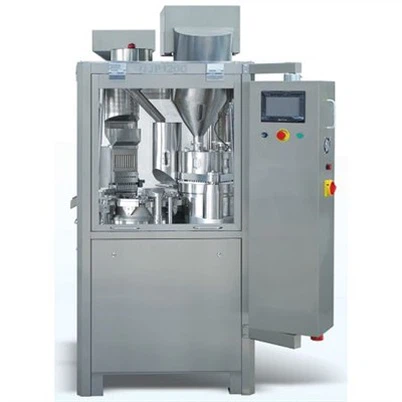
What is the role of the transport system in a pill blister packing machine?
Leave a message

In the pharmaceutical industry, pill blister packing machines play a crucial role in ensuring the safe and efficient packaging of pills. These machines are designed to create individual compartments, or blisters, for each pill, protecting them from moisture, light, and physical damage. Among the various components of a pill blister packing machine, the transport system stands out as a key element that significantly influences the overall performance and functionality of the machine. As a supplier of Pill Blister Packaging Machine, I will delve into the role of the transport system in a pill blister packing machine.
The Basics of a Pill Blister Packing Machine
Before we discuss the transport system, it is essential to understand the basic working principle of a pill blister packing machine. The process typically involves several stages: forming the blisters, filling the pills into the blisters, sealing the blisters with a lidding foil, and cutting the blister strips or sheets into individual packs. Each stage requires precise coordination and movement of the packaging materials and pills, which is where the transport system comes into play.
Functions of the Transport System
Material Feeding
The transport system is responsible for feeding the primary packaging materials, such as the blister film and lidding foil, into the machine. The blister film, usually made of PVC, PVDC, or other suitable plastics, is unwound from a roll and transported to the forming station. The transport mechanism ensures a smooth and continuous supply of the film, maintaining a consistent tension to prevent wrinkling or stretching. Similarly, the lidding foil, which can be made of aluminum or other materials, is fed into the machine at the appropriate time for sealing.


Pill Transfer
One of the most critical functions of the transport system is to transfer the pills from the hopper or feeding mechanism to the formed blisters. This process requires high precision to ensure that each blister is filled with the correct number of pills. The transport system may use various methods, such as vibratory feeders, rotary discs, or conveyor belts, to move the pills accurately to the filling station. Some advanced machines can even detect and reject defective pills during the transfer process, ensuring the quality of the final product.
Blister Movement
After the blisters are formed, the transport system moves them through the subsequent stages of the packaging process. This includes transporting the blister strips or sheets from the forming station to the filling station, then to the sealing station, and finally to the cutting station. The movement must be synchronized with the other operations of the machine to ensure proper alignment and sealing. For example, the blisters need to be accurately positioned under the filling nozzles and the sealing plates to achieve a perfect seal.
Product Discharge
Once the blister packs are cut into individual units, the transport system is responsible for discharging the finished products from the machine. This can be done using conveyor belts or other ejection mechanisms. The discharged products are then collected for further processing, such as labeling, cartoning, or palletizing.
Types of Transport Systems
Conveyor Belt Systems
Conveyor belt systems are one of the most common types of transport systems used in pill blister packing machines. They are simple, reliable, and can handle a wide range of packaging materials and products. Conveyor belts can be made of different materials, such as rubber, plastic, or metal, depending on the specific requirements of the machine. They can be used for material feeding, pill transfer, and product discharge. For example, a conveyor belt can be used to transport the formed blister strips from the forming station to the filling station, ensuring a smooth and continuous flow of the product.
Rotary Transport Systems
Rotary transport systems use rotating discs or drums to move the packaging materials and products. These systems are often used for high-speed pill blister packing machines, as they can provide precise positioning and rapid movement. Rotary transport systems are particularly suitable for the filling and sealing stages, where accurate alignment is crucial. The rotating discs or drums can be equipped with pockets or cavities to hold the blisters or pills, allowing for efficient transfer and processing.
Chain and Sprocket Systems
Chain and sprocket systems are another type of transport system commonly used in pill blister packing machines. They consist of a chain that is driven by a sprocket and is used to move the blister strips or sheets along a predefined path. Chain and sprocket systems are known for their durability and ability to handle heavy loads. They can be used for various stages of the packaging process, including material feeding, blister movement, and product discharge.
Importance of a Well-Designed Transport System
Product Quality
A well-designed transport system is essential for ensuring the quality of the final pill blister packs. Precise movement and positioning of the packaging materials and pills can prevent misalignment, overfilling, or underfilling, which can lead to defective products. For example, if the pills are not accurately transferred to the blisters, it may result in empty blisters or blisters with incorrect dosages, which can pose a significant risk to patient safety.
Production Efficiency
The transport system has a direct impact on the production efficiency of the pill blister packing machine. A smooth and efficient transport mechanism can reduce downtime caused by material jams, misfeeds, or other issues. It can also increase the production speed by enabling faster movement and processing of the packaging materials and products. For example, a high-speed transport system can allow the machine to produce more blister packs per minute, increasing the overall output of the production line.
Machine Reliability
A reliable transport system is crucial for the long-term operation of the pill blister packing machine. The transport components, such as belts, chains, and gears, need to be made of high-quality materials and properly maintained to ensure their durability. A well-designed transport system can also minimize wear and tear on the machine, reducing the frequency of maintenance and repair, and extending the service life of the machine.
Our Pill Blister Packing Machines and Transport Systems
As a supplier of Pill Blister Packaging Machine, we understand the importance of a high-performance transport system. Our machines are equipped with advanced transport mechanisms that are designed to provide precise and reliable operation.
For example, our Flat Plate Automatic Blister Packing Machine features a conveyor belt system for material feeding and product discharge. The conveyor belts are made of high-quality materials and are equipped with tension control devices to ensure a smooth and stable transport. The machine also uses a rotary disc for pill transfer, which provides accurate and efficient filling of the blisters.
Our Automatic Blister Packaging Machine is another example of our commitment to providing innovative transport solutions. It uses a combination of chain and sprocket systems and vibratory feeders for material movement and pill transfer. The chain and sprocket system ensures the reliable movement of the blister strips through the various stages of the packaging process, while the vibratory feeders provide precise control of the pill feeding.
Conclusion
In conclusion, the transport system is an integral part of a pill blister packing machine, performing multiple functions that are essential for the successful packaging of pills. From material feeding and pill transfer to blister movement and product discharge, the transport system plays a crucial role in ensuring product quality, production efficiency, and machine reliability. As a leading supplier of pill blister packing machines, we are dedicated to developing and providing high-quality transport systems that meet the diverse needs of the pharmaceutical industry.
If you are interested in our pill blister packing machines or have any questions about the transport system or other aspects of the machines, please feel free to contact us for more information and to discuss your specific requirements. We look forward to working with you to provide the best packaging solutions for your products.
References
- Pharmaceutical Packaging Technology, edited by John M. Ford and Michael J. T. Rhodes
- Handbook of Pharmaceutical Blister Packaging, by Gerhard A. Scherer